Key Takeaways
A judge orders HHS to restore nearly $12 million in children’s health funding for rural care and disability identification. Understand implications.
Overview
In a significant legal development, a United States judge has mandated the restoration of nearly $12 million in funding to the American Academy of Pediatrics. This crucial decision directly impacts vital public health initiatives aimed at supporting the well-being of children across the nation, an area of current affairs watched by news consumers globally.
This judicial order, issued amidst an ongoing lawsuit, underscores the judiciary’s role in overseeing administrative decisions, especially those concerning essential social services. For general readers, this highlights the intricate balance between government agencies, non-profit organizations, and the legal system in delivering critical community support.
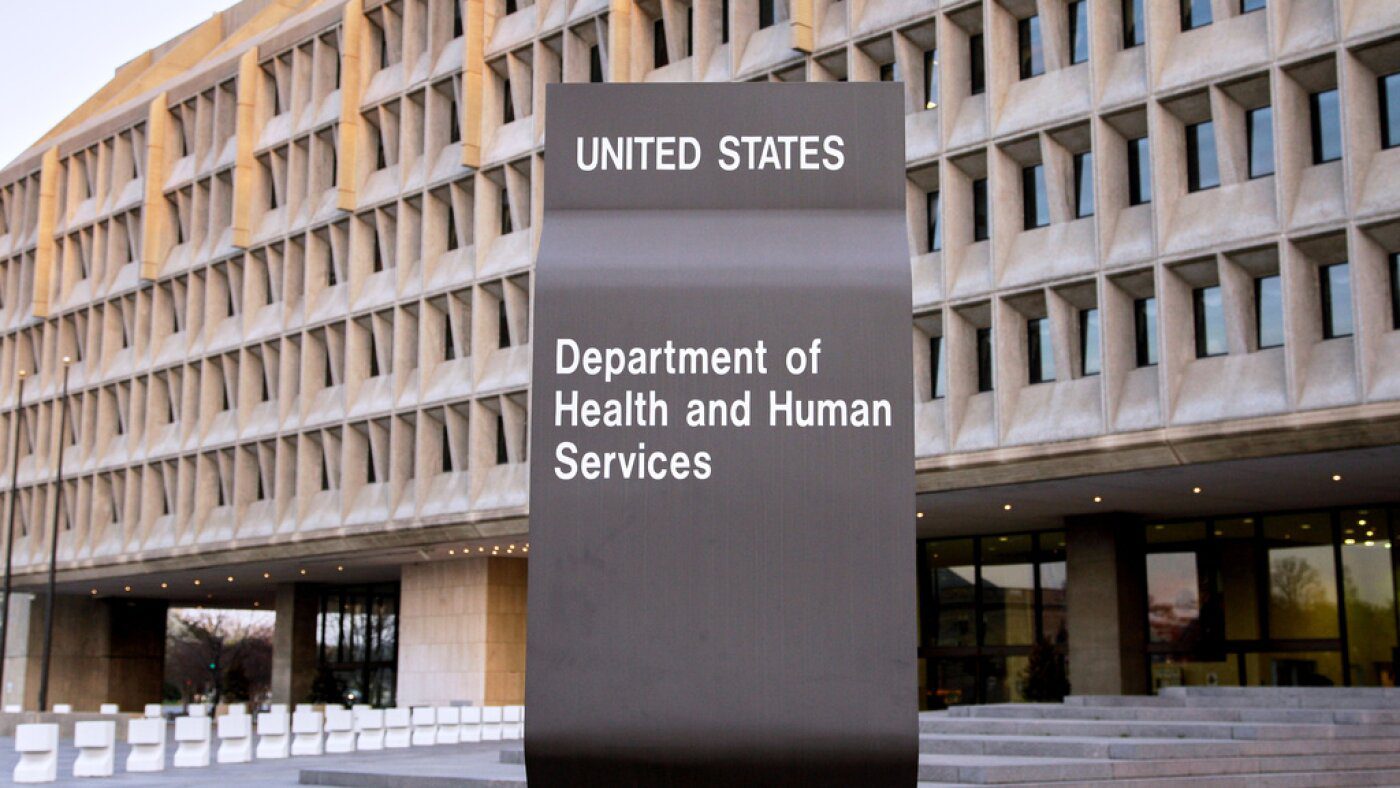
The reinstated funding specifically targets programs for rural healthcare access and the crucial identification of disabilities in children. This restoration by the Department of Health and Human Services (HHS) signals an immediate reversal of previous cuts, directly benefiting vulnerable populations.
The ongoing legal proceedings suggest further developments, with stakeholders closely monitoring how this ruling influences future public health policy and resource allocation for children’s health funding.
Detailed Analysis
The recent judicial order compelling the U.S. Department of Health and Human Services (HHS) to reinstate nearly $12 million in funding for the American Academy of Pediatrics marks a pivotal moment in public health governance. This decision arrives amid an ongoing legal battle, bringing into sharp focus the allocation of resources for some of society’s most vulnerable members: children. Historically, funding for pediatric care and specialized services has often faced budgetary pressures, making such judicial interventions particularly impactful. This specific restoration echoes broader debates around government accountability and the essential role of non-profit organizations in bridging gaps in national healthcare frameworks. For news consumers following current affairs, this case illustrates how legal challenges can directly influence the operational capacity of crucial health programs, providing a vital safety net for pediatric care and development.
Delving into the specifics, the reinstated $12 million is earmarked for two critical areas: rural healthcare and the identification of disabilities in children. Rural communities frequently encounter significant barriers to accessing quality healthcare, including a shortage of specialists and limited facilities. This funding will bolster existing programs, potentially expanding telehealth services, mobile clinics, and outreach efforts that directly address these geographical and logistical challenges. Concurrently, early and accurate identification of childhood disabilities is paramount for timely interventions, therapy, and support services, which can profoundly impact a child’s developmental trajectory and long-term quality of life. The American Academy of Pediatrics, a leading advocate for children’s health, plays a vital role in implementing these programs, leveraging its expertise to reach underserved populations and ensure comprehensive care. The judge’s directive acknowledges the immediate necessity and profound impact of these services, ensuring their continued operation despite the legal contest.
Comparing this situation to similar disputes, the legal system often steps in when government actions are perceived to disproportionately affect specific populations or deviate from established mandates. While the specific data regarding the prior funding cut is not disclosed, such reductions typically spark outcry from health advocacy groups who often have to battle for the resources necessary to maintain their critical work. This case, though U.S.-centric, resonates with India News consumers interested in how judicial bodies safeguard public welfare programs globally. It highlights the ongoing challenges faced by non-governmental organizations that depend on government grants and the constant need for vigilance to ensure sustained support for vulnerable segments of society. The judiciary’s intervention underscores a broader trend where courts are increasingly scrutinizing executive decisions that impact social services and fundamental rights, offering a vital check and balance.
For general readers and news consumers, the immediate impact of this ruling means continued access to crucial children’s health services in rural areas and sustained efforts to identify developmental disabilities. This is not merely about a financial transaction but about preserving the health and developmental opportunities for countless children. In the short-term, the American Academy of Pediatrics can proceed with planned programs without interruption. Medium-term, the lawsuit’s continuation will determine the permanency of this funding and potentially influence future federal funding policies for non-profit health organizations. Long-term, this case could establish a precedent for how funding decisions affecting vulnerable groups are reviewed and challenged. Individuals interested in current affairs should monitor the outcome of the ongoing lawsuit, as it will likely shape the landscape of children’s health advocacy and government responsibility in public health funding decisions in the years to come.
About the Author