Key Takeaways
Harmattan AI, a defense tech pioneer, secures $200M Series B, soaring to unicorn status. Explore its AI software for defense aircraft and market impact.
Overview
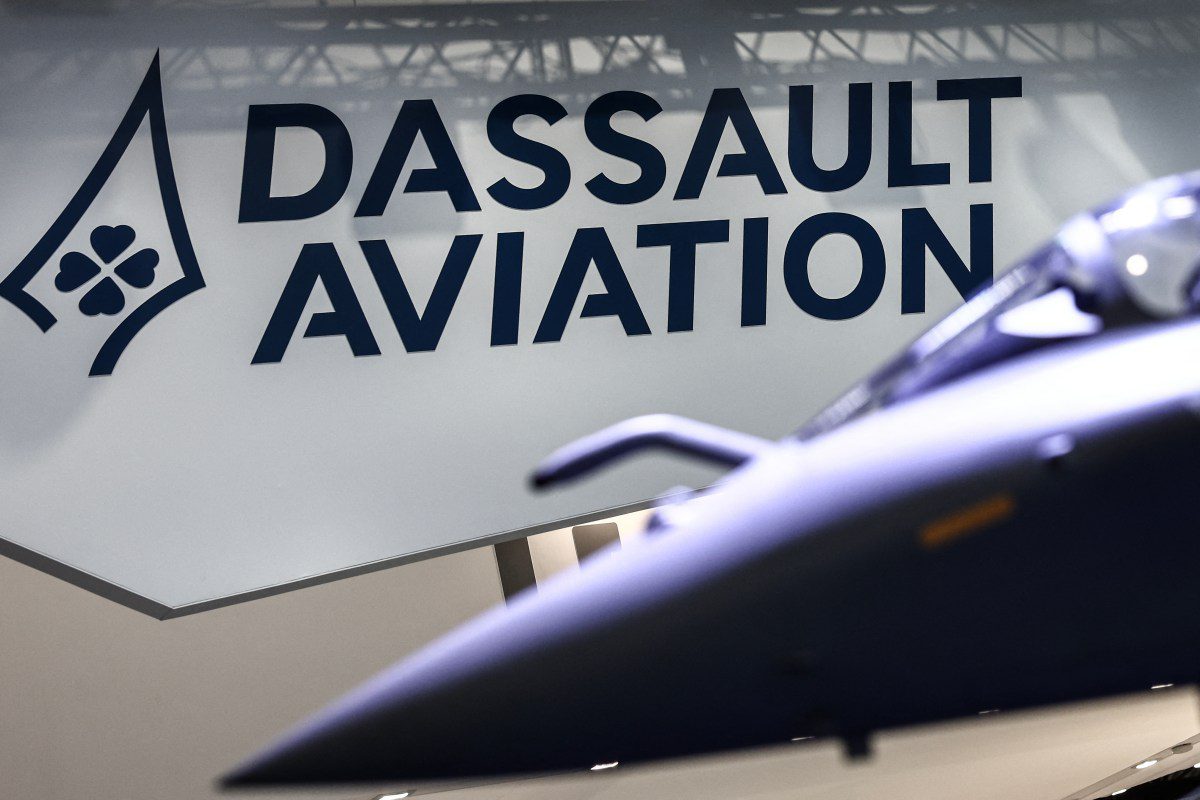
French defense tech innovator Harmattan AI has achieved unicorn status, valued at an impressive $1.4 billion, following a robust $200 million Series B funding round. This significant investment, spearheaded by aerospace giant Dassault Aviation, underscores a pivotal moment for AI in national defense and sovereign technological capabilities, particularly within Europe.
For tech enthusiasts, innovators, and startup founders, this development signals a burgeoning ecosystem for defense-focused AI. It highlights a critical shift towards embedded AI capabilities in advanced defense platforms, driving the future of air combat and intelligence systems, ensuring both sovereignty and scalability in strategic technology India and globally.
The company, founded in 2024, secured $200 million in its Series B, adding to the $42 million previously raised. This new valuation positions it firmly as a leader in the rapidly evolving defense software landscape.
This analysis will delve into Harmattan AI’s technological advancements, market strategy, and the broader implications for the global defense and AI industries, offering insights into what’s next for this fast-growing startup.
Key Data
| Funding Round | Amount | Lead Investor(s) | Valuation |
|---|---|---|---|
| Pre-Series B Total | $42M | Atlantic (Seed), FirstMark (Series A), Motier Ventures, Sisyphus Ventures | Not Disclosed |
| Series B | $200M | Dassault Aviation | $1.4B |
Detailed Analysis
The rapid ascent of Harmattan AI, founded in 2024, reflects a significant reorientation within the defense technology landscape. This French startup, now a defense unicorn, exemplifies how agility and specialized software capabilities are challenging traditional defense incumbents, often called ‘primes’. Initially, Harmattan AI likened itself to an ‘European Anduril’, aiming to disrupt the established order. However, its recent partnership with Dassault Aviation signals a more collaborative strategy, focusing on integrating cutting-edge AI innovation directly into existing and future defense platforms like the Rafale fighter jet and advanced drones. This strategic pivot ensures sovereign technological control, a key imperative for European powers seeking strategic autonomy in an increasingly complex global order.
Harmattan AI’s core offering lies in its autonomy and mission-system software, explicitly designed for defense aircraft. The $200 million Series B round, led by Dassault Aviation, cements its role in shaping the future of air combat by developing embedded AI for next-generation platforms. The company’s focus extends to critical domains such as drone interception, electronic warfare, and Intelligence, Surveillance, and Reconnaissance (ISR) platforms, responding directly to lessons learned from contemporary conflicts, such as the extensive use of drones in Ukraine. This practical application of artificial intelligence has garnered strong validation, including multi-million-dollar contracts from NATO governments for AI-enabled small drones, mere months after its inception, underscoring its rapid product-market fit.
This shift from an insurgent ‘next-generation defense prime’ to a collaborative ‘defense technology company’ marks an important evolution. While it initially aspired to overtake incumbents, its current strategy leverages partnerships to accelerate the deployment of sovereign and scalable AI. This approach contrasts with the broader trend of defense tech startups that often struggle to penetrate the heavily regulated and entrenched defense industrial base. Harmattan AI’s success in securing validation from French and British ministries of defense, coupled with its expansion into the U.S. and exhibition at the World Defense Show in Riyadh, demonstrates a pragmatic global ambition beyond its European origins, aiming to empower the armed forces of liberal democracies and their allies.
For tech enthusiasts, innovators, and startup founders in India and globally, Harmattan AI’s trajectory offers crucial insights. It underscores the immense market potential for deep tech startups capable of delivering transformative AI solutions, particularly in high-stakes sectors like defense. The company’s ability to attract substantial funding and secure strategic partnerships with industry giants signals a growing appetite for disruptive AI in complex systems. Innovators should monitor Harmattan AI’s product expansion into new domains and its manufacturing scale-up, as articulated by CEO Mouad M’Ghari. The ethical and geopolitical implications of advanced defense AI, as highlighted by CTO Martin de Gourcuff, also warrant close attention, pushing developers and policymakers to consider how power and law intersect in an AI-driven future.
About the Author