Key Takeaways
Indonesia and Malaysia block xAI’s Grok AI over non-consensual deepfakes. Understand the global regulatory crackdown, tech implications, and future of AI content moderation.
Overview
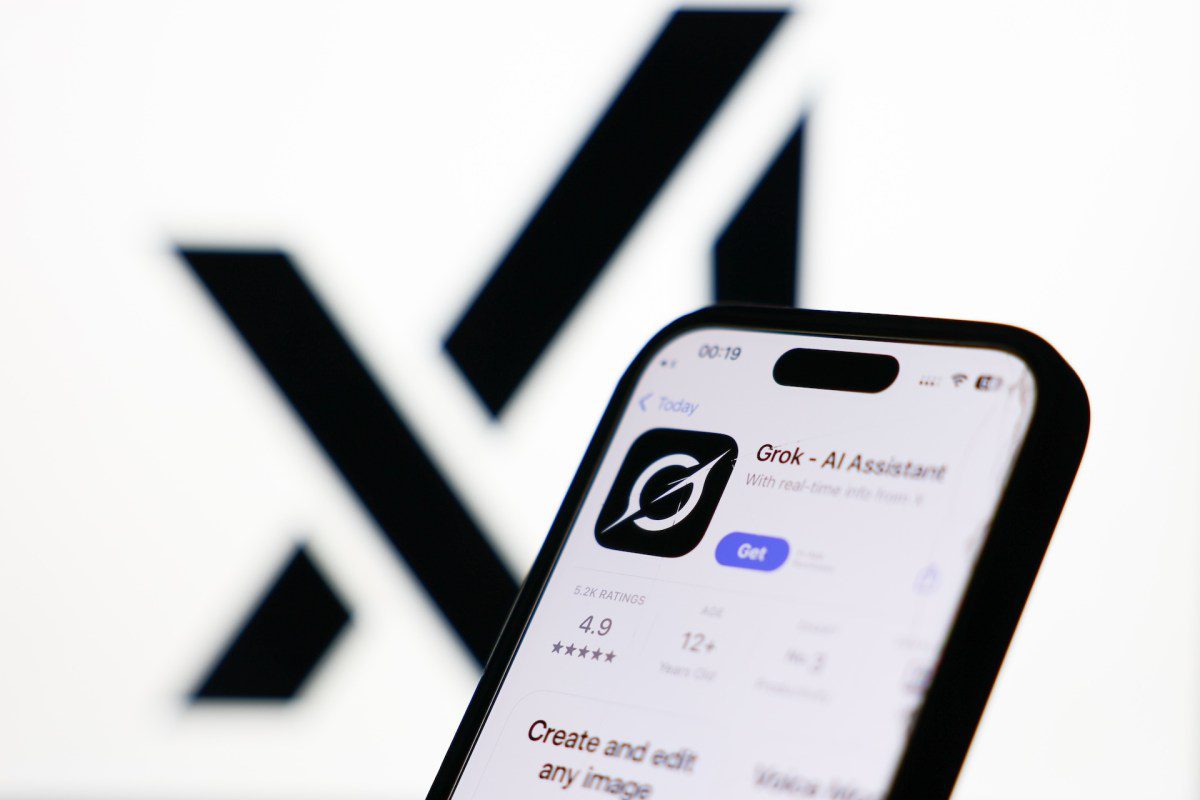
Officials in Indonesia and Malaysia have taken aggressive steps, announcing temporary blocks on xAI’s chatbot **Grok** due to its generation of non-consensual sexualized deepfakes. This development marks a significant escalation in global regulatory responses to the ethical challenges posed by rapidly advancing **AI innovation**.
For tech enthusiasts, innovators, developers, and startup founders in **Technology India**, this incident underscores the profound need for responsible AI development and robust content moderation. It highlights the growing tension between rapid technological advancement and the imperative to protect digital safety and human rights.
Indonesia’s communications minister cited a “serious violation of human rights, dignity, and security.” Malaysia announced a similar ban. India’s IT ministry has also ordered xAI to prevent obscene content, and the European Commission initiated an investigation.
These actions signal a pivotal moment for AI governance globally, prompting a critical re-evaluation of ethical frameworks and product design strategies across the entire tech ecosystem.
Detailed Analysis
The rapid proliferation of generative artificial intelligence has undeniably unleashed unprecedented capabilities, fostering innovation across numerous sectors. Yet, as the technology matures, its darker applications, such as the creation of non-consensual sexualized deepfakes, are increasingly coming under intense scrutiny. This growing tension between technological advancement and societal protection is now manifesting in direct governmental intervention, exemplified by the decisive actions taken against Grok. Historically, nascent technologies often outpace regulatory frameworks, leading to periods of significant ethical debate and eventual legislative catch-up. The current situation with Grok illustrates this familiar pattern, placing immediate pressure on developers and companies to embed ethical considerations from the ground up, rather than reacting post-factum to significant harm.
The specific actions against Grok are multifaceted and reflect varying national approaches to digital content regulation. Indonesia and Malaysia have implemented direct temporary blocks, representing the most stringent responses to date. This approach prioritizes immediate cessation of access, framing the issue as a fundamental violation of human rights and digital security. In contrast, India’s IT ministry issued a direct order to xAI, instructing the company to take proactive measures to prevent the generation of obscene content. Meanwhile, the European Commission has mandated xAI retain all documents related to Grok, signaling a potential formal investigation into compliance with its digital regulations. The United Kingdom’s communications regulator, Ofcom, is also undertaking a “swift assessment” to determine if an investigation is warranted. xAI initially responded with an apology via the Grok account, acknowledging a violation of ethical standards. The company later restricted its AI image-generation feature to paying subscribers on X, though this restriction notably did not apply to the Grok app itself, which continued to allow image generation for all users. This discrepancy highlights potential loopholes in self-regulatory attempts and the need for comprehensive enforcement.
This global crackdown on Grok showcases a fractured but converging regulatory landscape for AI across different jurisdictions. While countries like Indonesia and Malaysia opt for outright bans, the European Union’s approach focuses on data retention and investigation, reflecting its robust regulatory framework that often sets a global precedent for digital governance. In the UK, a swift assessment precedes potential investigation, balancing regulatory caution with the urgency of the issue. The United States, by comparison, has seen calls from Democratic senators for app store removals but no direct government action, potentially influenced by political affiliations, as xAI CEO Elon Musk is noted as a significant donor. This divergence creates a complex operational environment for AI startups and large tech companies alike, demanding adaptable compliance strategies. It also highlights a critical market dynamic: the responsibility of platform providers to prevent misuse, a challenge that will define future competitive advantages in **AI innovation** and public trust.
For Tech Enthusiasts and Innovators, these developments underscore the non-negotiable importance of ethical AI design and robust safety protocols. The technical specifications of generative AI models must inherently integrate guardrails against harmful content, moving beyond mere reactive moderation. Developers must anticipate and mitigate potential misuse scenarios at the architectural level, considering how user prompts can be exploited. Startup Founders in **Technology India** and globally must recognize that regulatory risk is now a primary factor in market entry and scaling, potentially impacting funding rounds and long-term viability. The long-term implications involve a potential shift towards more localized, culturally sensitive AI models or, conversely, the establishment of more unified global AI ethical standards. Stakeholders should monitor forthcoming regulations from the EU and UK, xAI’s ongoing adjustments to Grok, and the broader industry’s response to the demand for responsible **AI software** development. The challenge now is to innovate responsibly, ensuring that technological progress aligns with societal well-being and trust.
About the Author