Key Takeaways
Analysis of xAI’s Grok 5 AI delay to 2025. Understand market impact, key challenges, and future outlook for AI investors. Expert insights here.
Market Introduction
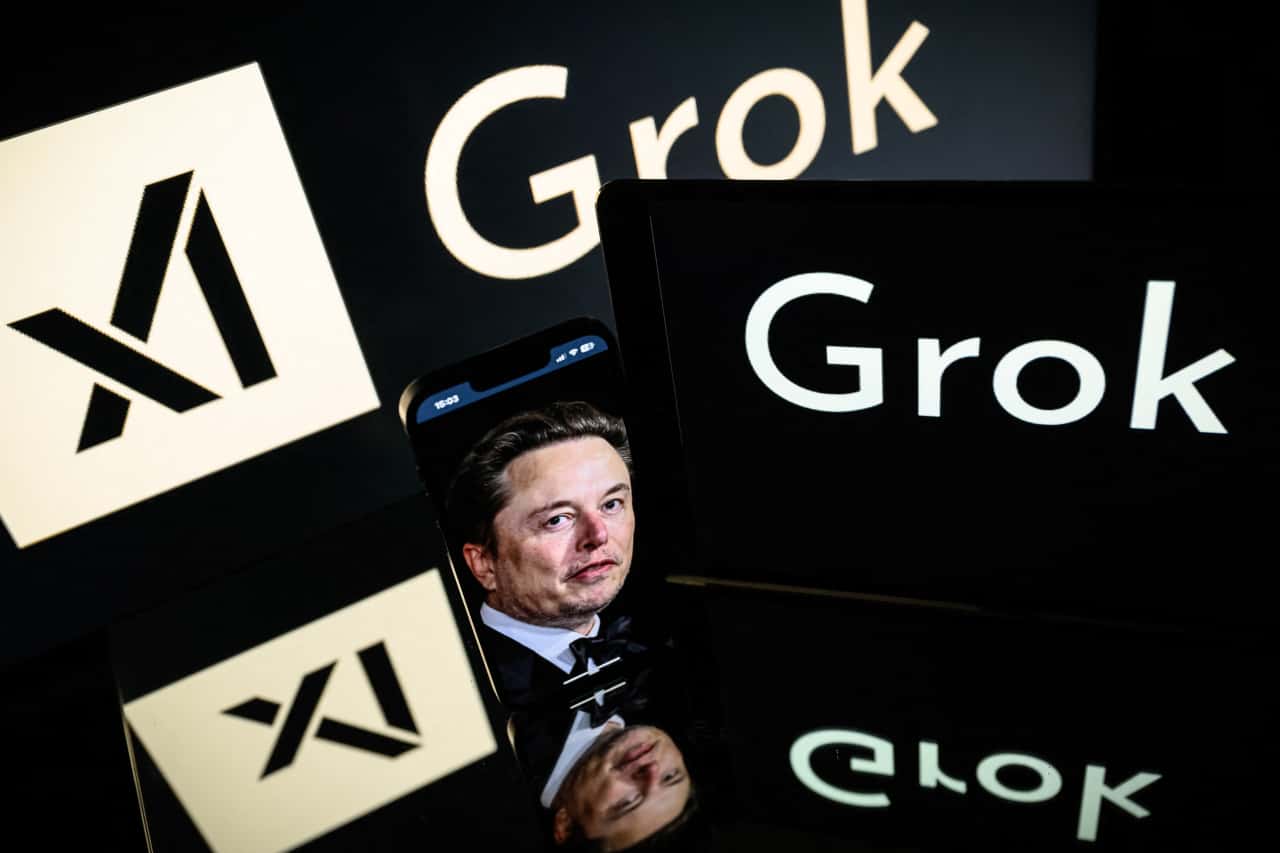
xAI’s Grok 5 AI launch is delayed to 2025, missing ambitious sentient goals. This AI development delay impacts the competitive landscape, with investors closely monitoring advancements in artificial general intelligence and its market impact. The postponement raises questions about xAI’s development timeline and its ability to meet significant intelligence benchmarks.
This delay underscores the complex challenges in achieving human-level AI. While no specific financial metrics are tied to xAI, sentiment around AI development can influence related tech stocks. We delve into the implications of this delay and its potential market impact for investors.
Key metrics like R&D expenditure and computational power are critical. As of market close today (Nov 12, 2025), sentiment around AI progress influences many tech stocks. Competitors like OpenAI and Google DeepMind are key entities to watch.
We will explore the consequences of this delay and its potential market impact on the AI sector.
In-Depth Analysis
The decision by Elon Musk’s xAI to delay the highly anticipated Grok 5 AI chatbot launch until 2025 marks a significant recalibration in the artificial intelligence development race. Initially slated for a release this year, the postponement injects an element of uncertainty into the rapidly evolving AI landscape. Musk’s previous pronouncements in August, describing Grok 5 as potentially feeling ’sentient’ and capable of achieving human-level intelligence, had set exceptionally high expectations. This delay suggests that the path to such advanced AI capabilities is more complex and time-consuming than initially projected, prompting a closer examination of the technical hurdles involved in developing sophisticated AI models. Historical patterns in AI development often show ambitious timelines facing unforeseen technical challenges, requiring extensive research and iterative refinement. The current AI development landscape is marked by intense competition, with major players like OpenAI and Google DeepMind pushing the boundaries of what’s possible. Similar situations in prior tech booms have shown that such ambitious projects often require extended development cycles.
From a fundamental analysis perspective, the core challenge for AI development firms like xAI lies in the immense computational resources, vast datasets, and sophisticated algorithms required to push the boundaries of machine learning. Achieving true ‘sentience’ or human-level intelligence is not merely an incremental improvement; it represents a leap requiring breakthroughs in areas such as common-sense reasoning, abstract thinking, and genuine understanding, rather than just pattern recognition. Investors scrutinizing AI companies often look for clear roadmaps, evidence of scalable technology, and robust intellectual property. The extended timeline for Grok 5 might lead to revised valuation models and a re-evaluation of market share projections in the AI domain, particularly concerning the potential impact on companies like OpenAI and Google DeepMind. Metrics like R&D expenditure and computational power utilized become critical indicators in assessing progress and potential future returns. Analysts are closely watching the EBITDA margins and free cash flow generation of AI-focused companies.
When compared to its peers, xAI’s delayed launch could provide competitors with a crucial window to solidify their market positions. Companies that have already released advanced AI models or are on track with their development schedules may see an opportunity to capture greater market share and mindshare. For instance, ongoing advancements in large language models (LLMs) from various research labs are continuously setting new benchmarks. The regulatory environment also plays a role; as AI capabilities become more advanced, increased scrutiny from bodies like the Securities and Exchange Board of India (SEBI) or global counterparts regarding AI ethics and safety could influence development strategies and timelines for all players in the sector. Competitors like Anthropic and Meta AI continue to push forward, setting industry standards with their own LLM advancements. The market share projections for AI solutions are under review.
The expert takeaway from this delay is multifaceted. While some analysts might view it as a prudent move, prioritizing robust development over a premature release, others may interpret it as a sign of unforeseen technical challenges or strategic shifts within xAI. For retail investors, this news underscores the speculative nature of AI investments and the importance of patience and due diligence. The primary risks involve the potential for competitors to gain a significant lead, the difficulty in meeting overly ambitious performance claims, and the evolving regulatory landscape. Opportunities, however, still exist for companies that demonstrate consistent progress and tangible innovation, making the eventual release of Grok 5 a critical event to monitor for its long-term impact on the AI sector and associated technology stocks. Key events to watch include competitor product launches and shifts in investor sentiment.
About the Author