Key Takeaways
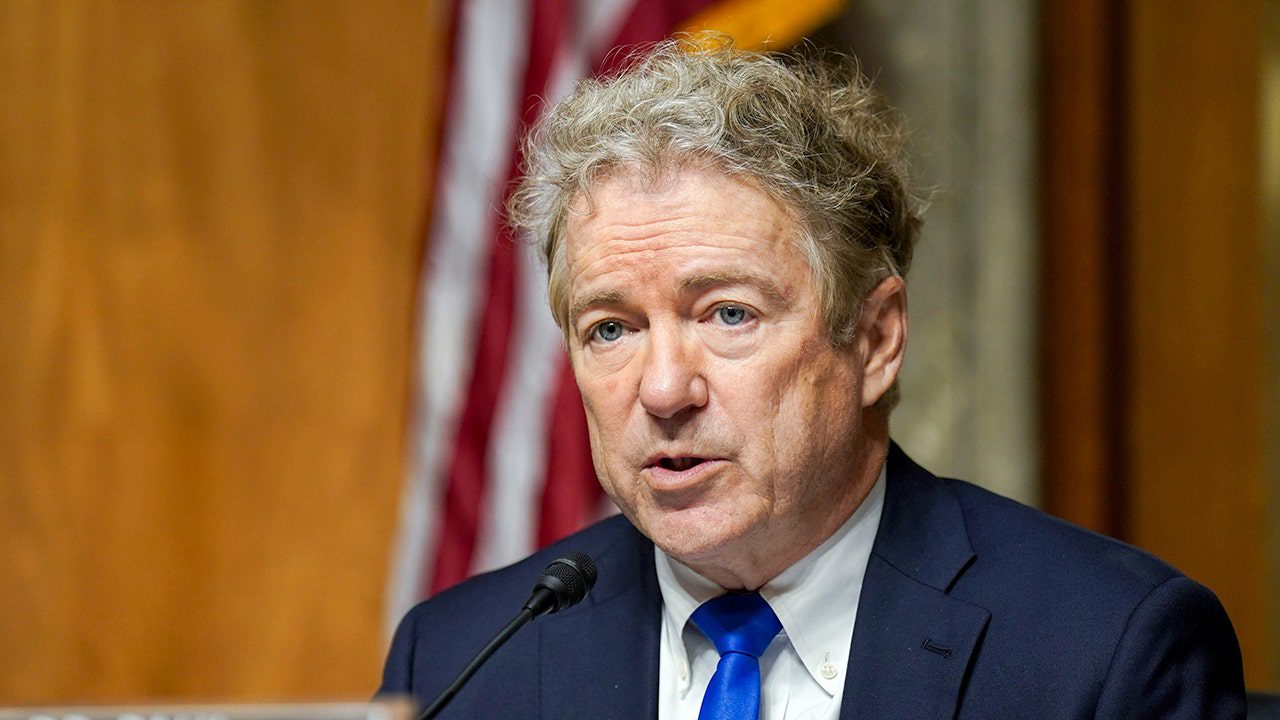
Rand Paul’s Iran warning signals geopolitical risk for global markets. Assess potential impacts on oil prices, NSE, BSE, and investment strategies for 2026.
Overview
U.S. Senator Rand Paul’s recent warning against potential military action in Iran introduces significant geopolitical risk for global financial markets, notably impacting the Stock Market India and overall investment outlook for 2026.
This escalating rhetoric creates heightened uncertainty for Retail Investors, Swing Traders, Long-term Investors, and Finance Professionals. They must assess potential market volatility, commodity price fluctuations, and supply chain disruptions across the NSE and BSE.
Widespread protests in Iran, alongside an Associated Press-reported death toll exceeding 500, highlight severe internal fragility, intensifying market concerns. The 2020 Qassem Soleimani killing serves as a stark historical precedent.
Effective financial analysis is paramount. Investors must monitor global oil prices and defense sector movements amidst policy shifts.
Detailed Analysis
The intricate geopolitical landscape governing U.S.-Iran relations, now brought into sharp focus by Senator Rand Paul’s cautionary warnings, fundamentally translates into a substantial risk premium for global financial markets. This premium reflects the additional compensation investors demand for taking on higher uncertainty, directly impacting asset valuations across various categories. Historically, periods characterized by heightened tensions in the Middle East have consistently demonstrated their capacity to disrupt global economic stability. Such events typically trigger sharp increases in energy prices, notably crude oil, as supply routes become vulnerable and market participants price in potential disruptions. Concurrently, sovereign debt markets often react with flight-to-safety flows, driving down yields on stable government bonds while increasing borrowing costs for emerging economies perceived as riskier. Broader equity indices worldwide, including India’s prominent Stock Market India, the NSE, and the BSE, experience significant volatility, characterized by sharp downturns as investor sentiment shifts away from risk-on assets.
A pertinent recent precedent is the preceding Trump administration’s ‘maximum pressure’ campaign against Iran. This strategy involved the imposition of stringent economic sanctions designed to cripple Iran’s economy, coupled with aggressive rhetoric and targeted military actions. A critical escalation occurred with the targeted killing of Iranian Quds Force commander Qassem Soleimani in January 2020. This event immediately sent shockwaves through global markets, leading to an instantaneous spike in crude oil prices and a broad sell-off in equities, underscoring how swiftly military and political actions can introduce profound market instability. The current situation, with renewed discussions of potential military action against Iran, particularly amidst widespread ongoing internal protests marked by severe economic distress and a significant Associated Press-reported death toll exceeding 500, amplifies these concerns. This internal fragility within Iran exacerbates the potential for unpredictable external reactions. Such confluence of factors suggests that any escalation could rapidly translate into elevated market volatility, posing substantial challenges to investment portfolios across all investor segments—from Retail Investors and Swing Traders navigating short-term price movements to Long-term Investors and Finance Professionals managing broader strategic allocations. All must meticulously balance the evolving risk-reward dynamics in this highly sensitive geopolitical environment.
Senator Paul’s detailed critique meticulously highlights several profound mechanisms through which military intervention in Iran could generate severe adverse financial outcomes, resonating deeply across global markets. His concern that such strikes might ‘backfire’ and demonstrably fail to achieve their ‘intended effect’ directly points to the overarching risk of unpredictable, often irrational, market reactions. For investors, this translates into an increased likelihood of sudden, dramatic price swings in sectors inherently sensitive to geopolitical events. The oil and gas sector, for instance, could witness immediate and sharp surges in crude oil benchmarks, with Brent and WTI futures reacting acutely to any perceived threat to supply. Defense sector stocks, conversely, might experience initial rallies on speculation of increased military spending, though sustainability hinges on the conflict’s broader economic ramifications. The logistics and shipping industries face direct disruption risks, as vital trade routes, particularly those traversing the Middle East, could become hazardous, leading to increased insurance premiums, delays, and re-routing costs, directly impacting global supply chains.
Senator Paul’s poignant query, ‘How do you drop a bomb in the middle of a crowd or a protest and protect the people there?’, underscores the alarmingly high potential for collateral damage and civilian casualties. Beyond the immediate humanitarian tragedy, such outcomes could swiftly escalate a localized conflict into a broader regional conflagration. This expansion could directly threaten crucial oil supply routes, notably the Strait of Hormuz, a chokepoint through which a significant portion of the world’s seaborne oil passes. Any disruption here would inevitably lead to significant, prolonged spikes in crude oil prices, impacting everything from transportation costs to manufacturing inputs globally. For the Indian economy, heavily reliant on oil imports, this would translate into inflationary pressures, higher trade deficits, and potential currency depreciation, straining both the NSE and BSE.
Furthermore, Senator Paul’s emphasis on constitutional checks and balances regarding executive war powers introduces a layer of profound policy uncertainty. A lack of clear congressional mandate for military action can leave markets guessing about the longevity and scope of any intervention, deterring long-term capital investment. Such uncertainty creates a perception of elevated political risk within the U.S. and among its allies, eroding overall financial stability. Businesses delay expansion plans, foreign direct investment slows, and capital flows become erratic. This intricate interplay necessitates robust financial analysis, employing sophisticated models to assess downside risk scenarios, identify potential hedging opportunities, and gauge the resilience of diversified portfolios against such volatile shocks.
Comparing current U.S.-Iran dynamics to historical interventions, such as the Trump administration’s posture towards Venezuela, highlights a consistent pattern of policy debate carrying direct financial implications. The Venezuela scenario, characterized by aggressive U.S. sanctions and rhetoric, impacted energy markets, sovereign debt yields, and businesses with regional exposure, even without direct military conflict. This parallel illustrates how geopolitical tensions profoundly reshape market conditions and investor confidence.
Senator Paul’s argument against unilateral presidential action, asserting that ‘bombing a capital and removing the head of state is, by all definitions, war’ and requiring congressional approval, emphasizes a critical tension. This executive-legislative tension significantly increases perceived political risk, prompting investors to demand a higher premium for exposed assets. Such uncertainty elevates borrowing costs, reduces foreign direct investment, and fosters hesitancy in cross-border capital flows, negatively affecting the NSE and BSE.
Furthermore, past military actions against vessels, even under narco-terrorism accusations, and broader concerns about due process and collateral damage, underscore unforeseen financial and reputational costs. These impact global supply chains, international shipping, and trade, translating into substantial revenue losses and increased operational expenditures for multinational corporations. Continuous monitoring of these policy discussions is vital for market sentiment and asset valuations. [Suggested Matrix Table: Historical Crude Oil Price Volatility Against Specific Geopolitical Flashpoints – Analyzing percentage changes in crude oil prices (e.g., WTI, Brent) before and after major geopolitical events (e.g., Gulf War, Soleimani Killing) and correlating with market indices (e.g., Sensex, Nifty) movements over short-term (1-week) and medium-term (1-month) periods.]
For Retail Investors and Swing Traders, the current geopolitical landscape mandates heightened vigilance for sudden, unpredictable market shifts. Short-term trading strategies must account for rapid price movements driven by geopolitical headlines. Monitoring global crude oil prices is paramount; any perceived threat to Middle Eastern supply can trigger immediate sharp upward spikes, presenting potential short-term trading opportunities in energy futures or options. Gold, a traditional safe-haven asset, often sees increased demand reflecting risk-off sentiment. Defense sector stock performance should also be closely watched for initial rallies. These indicators are crucial for identifying trading opportunities or mitigating rapid downside risks on the NSE and BSE, where volatility can be amplified.
Long-term Investors and Finance Professionals must undertake a strategic review of their portfolio’s exposure to geopolitical risk, assessing holdings within energy, industrials, and emerging markets. Detailed financial analysis should scrutinize company resilience to supply chain disruptions, commodity price volatility, and altered trade dynamics. Diversification strategies, extending beyond traditional asset classes, are critical. Hedging instruments, such as options contracts on oil ETFs or strategic currency hedges against potential rupee depreciation, could prove prudent.
Key metrics to monitor include the evolving rhetoric from both U.S. and Iranian officials, as verbal escalations often precede market reactions. The scale and nature of internal protests within Iran, alongside government responses, offer insights into regime stability. Furthermore, any legislative actions or debates within the U.S. Congress regarding military authorizations will signal the likelihood of potential U.S. intervention. These evolving policy implications demand continuous, data-driven financial analysis, incorporating technical levels, macroeconomic indicators, and peer comparisons. This proactive approach is essential not merely to safeguard existing investments but also to identify nascent opportunities amidst persistent global uncertainties, ensuring robust portfolio growth through informed decision-making.
About the Author