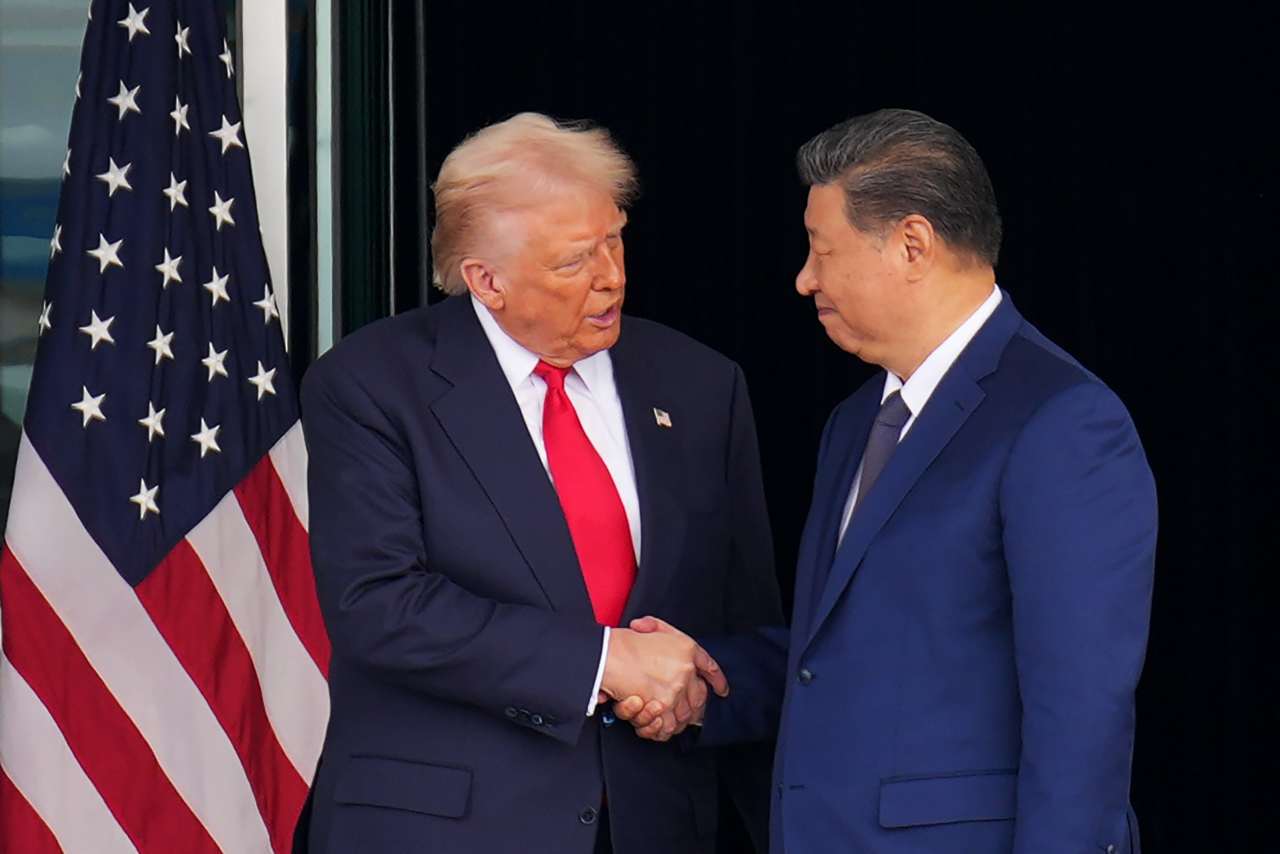
The fentanyl trade deal between President Trump and Xi Jinping marks a significant geopolitical and economic shift, expected to impact global supply chains and investor sentiment through 2025. As of market close on Oct 25, 2025, analysts are closely monitoring its unfolding effects on international relations and trade dynamics. This accord necessitates a strategic recalibration of global manufacturing and supply chain strategies for investors.
This agreement aims to de-escalate tensions by addressing specific trade barriers, particularly concerning fentanyl precursors and shipbuilding, offering a pragmatic path forward for bilateral economic ties.
Key metrics include tariff reductions on precursors and a 12-month moratorium on shipbuilding duties, expected to stabilize key sectors. Investor sentiment is crucial.
This analysis delves into the ramifications for affected industries and investor strategies for the coming year.
Expert Market Analysis
The recent fentanyl trade deal, finalized between Presidents Trump and Xi Jinping, represents a significant turning point in US-China trade relations, historically marked by volatility impacting global supply chains and investor confidence. This new accord aims to de-escalate tensions by addressing specific trade barriers. The reduction in U.S. tariffs on China’s fentanyl precursor sales directly confronts concerns surrounding the opioid crisis, while the year-long moratorium on shipbuilding duties provides much-needed stability for a sector that has endured significant pressure. This pragmatic approach to managing bilateral economic ties, moving from broad tariffs to targeted solutions, will be closely scrutinized by investors for its efficacy through 2025. Historical patterns indicate that such stability often correlates with sustained revenue growth across affected industries, offering a beacon of predictability in an often turbulent global economic landscape.
From a fundamental analysis viewpoint, the tariff reduction on fentanyl precursors could lead to increased availability and potentially lower costs for essential pharmaceutical ingredients, although the primary objective remains the curbing of illicit production. For the shipbuilding industry, the 12-month moratorium on levies offers a crucial window for planning production and investments with enhanced certainty. This period of reduced trade friction is anticipated to bolster order books and improve financial metrics, potentially leading to better profit margins. Investors will be closely examining the impact on companies involved in shipbuilding and those reliant on precursor chemicals, seeking indicators of improved EBITDA and free cash flow generation. Similar de-escalations of trade tensions in 2023 led to improved market sentiment and stock performance in various sectors, suggesting a positive precedent.
In terms of sector and peer comparison, the global shipbuilding industry, with major players in South Korea, China, and Japan, is set to experience the most immediate impact. A stable trade environment will allow these nations to compete more effectively, potentially influencing market share dynamics. Companies such as Hyundai Heavy Industries and Samsung Heavy Industries, alongside their Chinese counterparts, will be observing closely how this agreement affects their order pipelines and competitive positioning. The rare-earths sector, largely dominated by China, might see subtle shifts as trade policies evolve, impacting companies involved in mining and processing, though specific details within the agreement for this sector are scarce. The overall influence on global trade agreements and bilateral economic strategies will be a focal point for industry analysts, referencing data from international trade bodies.
The expert takeaway from this development suggests a sentiment of cautious optimism. While the agreement offers immediate relief and a framework for de-escalation, its long-term effectiveness is contingent on sustained implementation and ongoing dialogue. Retail investors may view this as a positive development toward market stability, potentially mitigating some geopolitical risk premiums associated with Chinese trade. Institutional investors might identify opportunities in sectors benefiting from reduced trade barriers, such as shipbuilding and related industrial manufacturing. Key risks include potential non-compliance or the emergence of new trade disputes. Investors should monitor subsequent trade talks and the tangible impact on shipment volumes and pricing within affected industries, using these factors to guide entry points if fundamentals demonstrate sustained improvement.
Related Topics:
fentanyl trade deal, Trump Xi agreement, US China trade, global supply chain, trade policy 2025, economic diplomacy, shipbuilding stocks, geopolitical risk analysis, market outlook 2025
About the Author