Key Takeaways
Boston Fed’s Susan Collins holds rates steady with a hawkish 2025 outlook. Expert analysis on market implications and Fed policy for investors.
Market Introduction
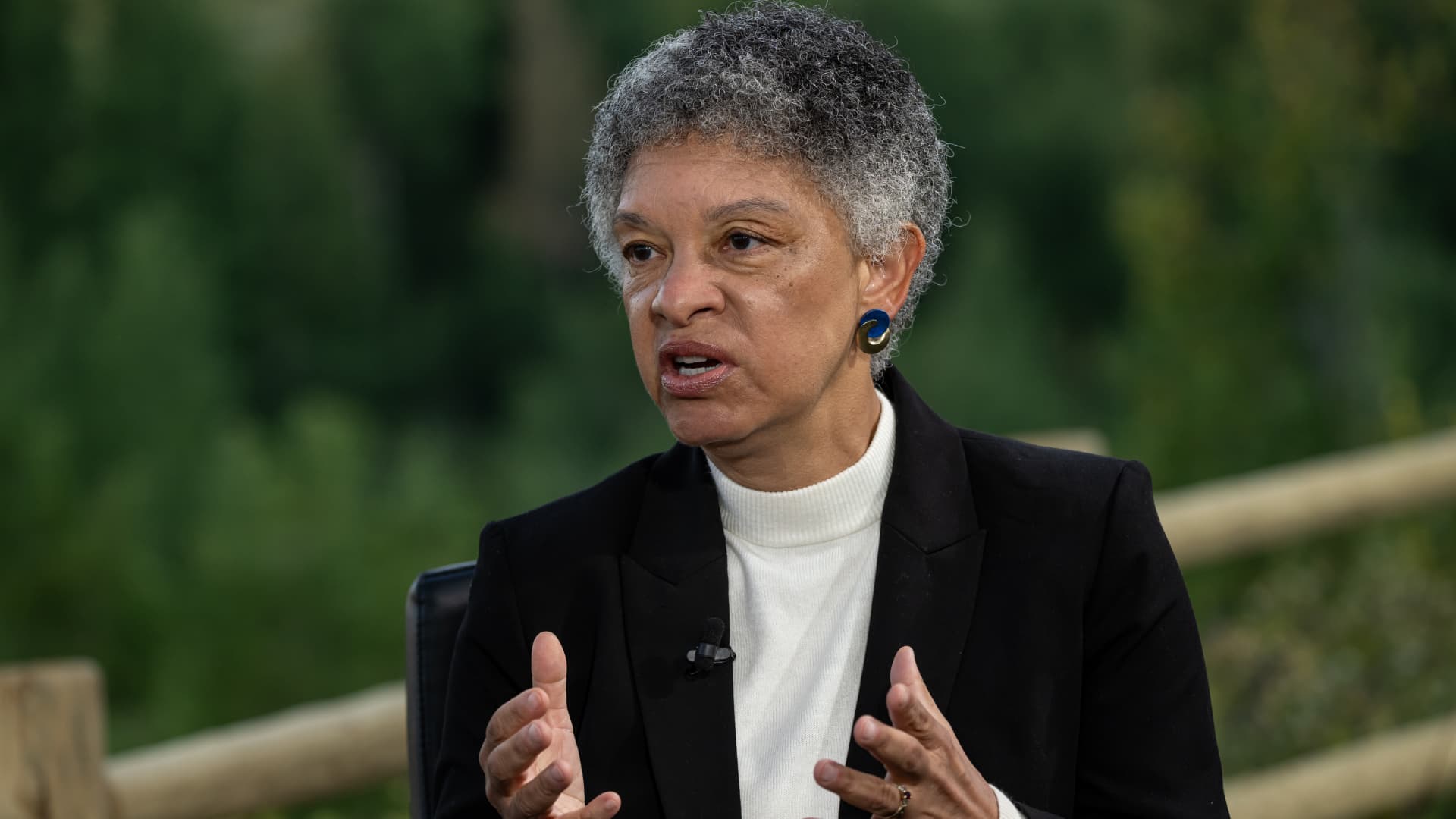
Boston Fed’s Susan Collins holds rates steady, maintaining a hawkish outlook for 2025. This decision sets a ‘high bar’ for potential rate cuts, signaling the Federal Reserve’s cautious approach amidst persistent inflation. Market participants must recalibrate strategies for a prolonged period of steady rates.
This move is crucial as it underscores the Fed’s priority on inflation control over immediate growth stimulation. Investors need to adapt to this scenario, which impacts borrowing costs and economic forecasts significantly.
As of November 12, 2025, CME FedWatch shows a 70% chance of rates unchanged in December. The dollar index saw a slight dip post-announcement.
The following analysis delves into market implications and expert takeaways.
In-Depth Analysis
As 2025 concludes, Boston Federal Reserve President Susan Collins’ decision to maintain interest rates unchanged reflects a prevailing cautious sentiment within the FOMC. Her repeated emphasis on a ‘high bar’ for any rate reductions highlights the complex economic landscape, characterized by persistent inflation that remains above the Fed’s 2% target and compromised economic data due to ongoing government shutdowns. This situation directly challenges the Fed’s dual mandate of controlling inflation and supporting maximum employment, necessitating a delicate balancing act. Heightened geopolitical tensions and domestic policy gridlocks further complicate the situation, demanding a rigorous, data-dependent strategy. However, the obscurity of essential data streams forces increased deliberation among policymakers, potentially extending the period of stable policy. This scenario echoes the economic uncertainty and market volatility witnessed in 2022 and 2023 due to similar data voids.
From a fundamental economic perspective, Collins’ stance underscores a firm commitment to achieving the Federal Reserve’s 2% inflation target. The coexistence of seemingly contradictory signals, such as ‘resilient demand’ and a ‘softening labor market,’ presents a complex challenge. While a robust labor market might typically suggest monetary easing, prevailing inflation risks, as emphasized by Collins, are taking precedence. The FOMC’s primary concern is that premature monetary stimulus could impede the return of inflation to the target rate. Consequently, analysts are meticulously tracking key indicators like the CPI and PCE price index for concrete evidence of sustained disinflationary trends. The Federal Reserve’s core mandate prioritizes price stability, and any perceived deviation could trigger a more hawkish policy response, impacting borrowing costs and asset valuations.
Within the FOMC, Collins’ hawkish stance aligns with the more conservative policymakers, a view not universally shared. While figures like Governor Stephen Miran advocate for rate reductions and Kansas City Fed President Jeffrey Schmid opposes any cuts, Collins’ articulation of a ‘high bar’ offers a clear framework for her conditional support for policy adjustments. This internal diversity of opinion is critical for market participants. Unlike several global central banks that have begun interest rate cuts, the unique U.S. inflationary challenges and data constraints necessitate a distinct path for the Federal Reserve, highlighting the complexity of navigating the current economic climate and potential policy divergence.
The overarching expert takeaway from Collins’ address is the reinforced expectation of sustained interest rates in the immediate future, contingent on inflation and employment data. Investors should anticipate continued market sensitivity to incoming economic reports and Fed official commentary. The substantial risks of premature monetary easing, particularly reigniting inflation, have been clearly articulated. Investment opportunities may arise in sectors less sensitive to interest rate hikes or those benefiting from stable, higher-for-longer economic conditions. Key upcoming events include critical inflation and employment reports, though their reliability remains uncertain due to government shutdowns. For now, the Fed appears resolute in maintaining its policy stance, demanding patience from eager market participants.
About the Author