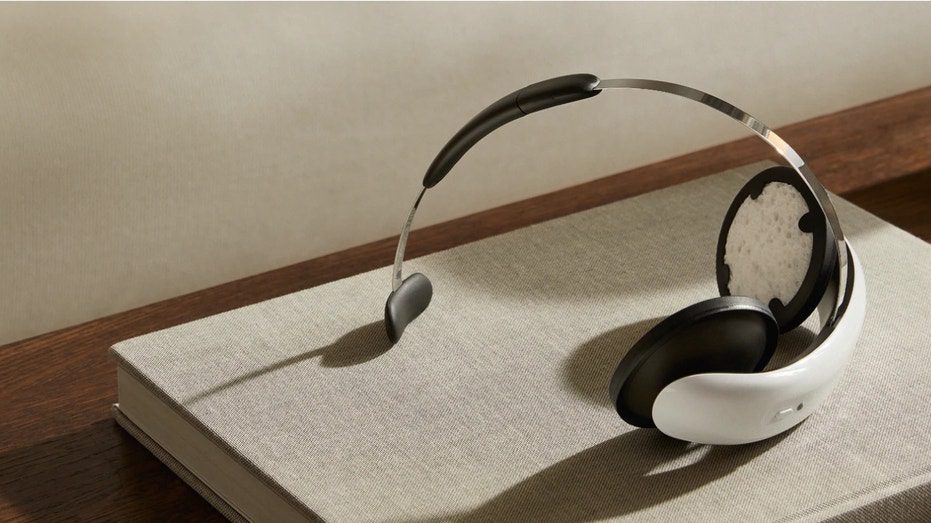
FDA Clears At-Home Brain Device for Depression in 2026
🔑 KEY TAKEAWAYS
- ✓ Major Approval: FDA clears Flow Neuroscience’s FL-100, the first at-home brain stimulation device for depression.
- ✓ Target Audience: Device is intended for adults 18+ with moderate to severe major depressive disorder.
- ✓ Stimulation Method: FL-100 uses transcranial direct current stimulation (tDCS) to stimulate the prefrontal cortex.
- ✓ Clinical Trial Success: Study showed a 58% average symptom improvement after 10 weeks compared to a control group.
- ✓ Availability: FL-100 is expected to be available in the U.S. in the second quarter of 2026 with a prescription.
In a groundbreaking move, the U.S. Food and Drug Administration (FDA) has approved the first at-home brain stimulation device for treating depression. This marks a significant shift in mental health treatment, offering a new option for the over 20 million adults in the U.S. struggling with depression. The device, called FL-100 and developed by Flow Neuroscience, is designed for individuals aged 18 and older who experience moderate to severe major depressive disorder.
The approval is particularly important because roughly one-third of those with depression find insufficient relief from medication or discontinue its use due to side effects. The FL-100 offers a potential alternative or complementary treatment. This innovative device utilizes transcranial direct current stimulation (tDCS) to target the prefrontal cortex, a brain region crucial for mood regulation.
Clinical trials demonstrated a significant 58% average symptom improvement compared to a control group. Expect the FL-100 to become available by prescription in the second quarter of 2026. Read on to learn more about this groundbreaking technology.
What is the FL-100 Device?
The FL-100 is a prescription-based, at-home brain stimulation device developed by Flow Neuroscience designed to treat moderate to severe major depressive disorder in adults aged 18 and older. It employs transcranial direct current stimulation (tDCS) to deliver a gentle electrical current to the prefrontal cortex, a region of the brain linked to mood regulation and stress response.
The device is used at home for about 30 minutes per day, while clinicians remotely monitor the patient’s progress. It can be prescribed as a stand-alone treatment or used in conjunction with antidepressants and therapy. The FL-100 system includes a lightweight headset and a mobile app.
How Does the FL-100 Work?
The FL-100 utilizes transcranial direct current stimulation (tDCS) to modulate brain activity. This non-invasive technique delivers a low-intensity electrical current to the prefrontal cortex, which often exhibits reduced activity in individuals with depression. By stimulating this region, the device aims to restore healthier brain signaling over time.
Patients use the device at home for approximately 30 minutes daily, while clinicians remotely monitor their progress. The system consists of a lightweight headset that delivers the electrical current and a mobile app that guides the user through the treatment process.
What Are the Key Details of the Clinical Trial?
The FDA’s approval of the FL-100 was based on a randomized controlled trial that evaluated at-home use under remote supervision. Participants who received active stimulation showed meaningful improvement on both clinician-rated and self-reported depression scales. The study was published in the journal Nature Medicine.
After 10 weeks of treatment, patients experienced an average symptom improvement of 58% compared to the control group. Many users reported noticeable changes within the first three weeks. Side effects were generally mild and short-term, including skin irritation, redness, headaches, and brief stinging sensations at the electrode sites.
How Does This Impact Mental Health Treatment in 2026?
The FDA approval of the FL-100 signifies a major shift towards more accessible and personalized mental health care. It opens the door for broader access to non-drug treatment options for depression. With more than 20 million adults in the U.S. affected by depression, this approval offers a new avenue for those who don’t find sufficient relief from traditional treatments.
The convenience of at-home use, combined with remote monitoring by clinicians, makes this device a potentially transformative tool in managing depression. This approval will likely accelerate the development and adoption of similar neuromodulation technologies in the coming years.
What Should You Watch for Next?
Look for the FL-100 to become available to U.S. patients in the second quarter of 2026, requiring a prescription from a healthcare provider. Monitor developments in the field of at-home neuromodulation, as other companies and researchers are actively exploring similar technologies.
Pay attention to further studies and real-world data on the effectiveness and long-term outcomes of the FL-100. This will help to refine treatment protocols and identify the patients who are most likely to benefit from this innovative approach.
Frequently Asked Questions
tDCS is a non-invasive technique that delivers a low-intensity electrical current to specific regions of the brain to modulate neural activity. It’s used in the FL-100 to stimulate the prefrontal cortex, which is often underactive in people with depression.
In clinical trials, side effects were generally mild and short-term. Reported issues included skin irritation, redness, headaches, and brief stinging sensations at the electrode sites. These effects typically resolve quickly.
In the clinical trial, many users reported noticeable changes within the first three weeks of treatment. After 10 weeks, patients experienced an average symptom improvement of 58% compared to a control group, indicating a relatively quick response for many.
The FL-100 is intended to be used as a stand-alone treatment or alongside antidepressants and therapy, not necessarily as a replacement. It provides an additional option for individuals who may not respond adequately to other treatments.
📚 Related Topics on Stock99.in
Explore more investment insights:
- Mental Health Innovations
- Emerging Medical Technologies
- FDA Approvals 2026
- Treatments for Depression
- Telehealth and Remote Patient Monitoring
About the Author