Key Takeaways
Trump threatens ExxonMobil from Venezuela. Explore investment risks, geopolitical impacts, and what this means for oil and gas sector strategies in 2026.
Overview
Geopolitical tensions are escalating as Donald Trump threatens to block ExxonMobil from future investments in Venezuela, following the oil giant’s CEO, Darren Woods, calling the country “uninvestable” during a high-profile White House meeting. This development carries significant implications for the global energy sector and international investment frameworks, underscoring the complexities of operating in politically volatile regions for major players in the Stock Market India and globally.
For Retail Investors, Swing Traders, and Long-term Investors, this scenario highlights the substantial geopolitical risks inherent in international oil and gas ventures, impacting stock performance of energy majors and influencing broader market sentiment. Finance Professionals must assess the precedents this sets for sovereign risk and asset protection.
Venezuela reportedly owes over $13 billion collectively to ExxonMobil and ConocoPhillips for prior asset expropriations between 2004 and 2007, a key point in Woods’s cautious stance.
This detailed financial analysis will explore the short, medium, and long-term implications, evaluating the evolving risk-reward dynamics for investors in the oil and gas sector.
Detailed Analysis
The recent exchange between Donald Trump and ExxonMobil’s CEO, Darren Woods, marks a critical juncture in the global energy investment landscape, particularly concerning Venezuela’s vast, yet politically encumbered, oil reserves. Historically, Venezuela’s oil industry has been a magnet for major international players, including Exxon, ConocoPhillips, and Chevron, who were primary partners of the state oil company PDVSA for decades. This partnership was abruptly disrupted between 2004 and 2007 when the government of then-president Hugo Chávez nationalized the industry, leading to significant financial losses and legal battles for foreign companies. While Chevron managed to negotiate deals to continue its involvement, Exxon and ConocoPhillips exited the country, initiating prominent arbitration cases that ultimately resulted in Venezuela being ordered to pay over $13 billion collectively to these two companies for the expropriations. This history of asset seizure forms the bedrock of ExxonMobil’s current cautious approach.
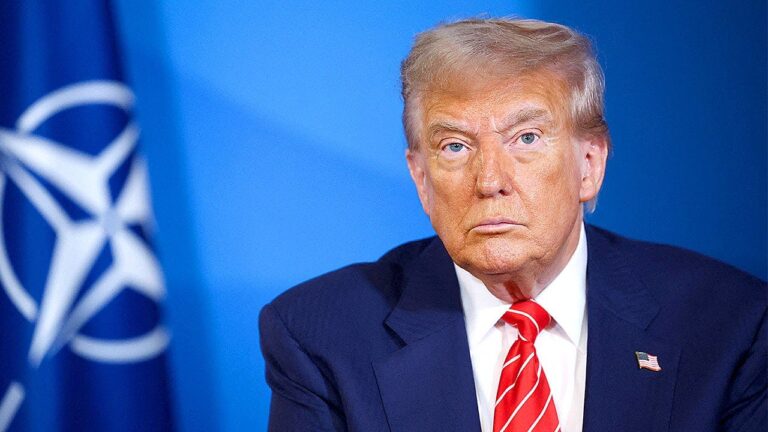
During a White House meeting last week with 17 other oil executives, Trump urged a $100 billion investment to revitalize Venezuela’s oil sector, an initiative launched shortly after US forces reportedly removed President Nicolás Maduro from power. Woods, however, articulated a deeply skeptical view, citing the company’s prior experience of having its assets seized twice. He emphasized the necessity of durable investment protections and significant reforms to Venezuela’s hydrocarbons law before any re-entry could be considered viable. His definitive statement, “If we look at the legal and commercial constructs and frameworks in place today in Venezuela today, it’s uninvestable,” starkly undercut the White House’s attempts to build momentum. ConocoPhillips’ CEO, Ryan Lance, echoed similar concerns, highlighting his company as the largest non-sovereign credit holder in Venezuela and calling for a comprehensive restructuring of the country’s debt and its entire energy system, including PDVSA. Trump’s subsequent threat to block ExxonMobil, stating he “didn’t like their response” and that they were “playing too cute,” suggests a direct governmental influence on corporate investment decisions, bypassing traditional market dynamics.
This situation presents a compelling comparative analysis of corporate risk assessment versus geopolitical objectives. ExxonMobil and ConocoPhillips, having endured significant losses and protracted legal battles, prioritize robust legal and commercial frameworks, reflecting a lessons-learned approach from their previous engagements. Their stance contrasts sharply with Trump’s push for a “clean slate” approach, where past losses are dismissed as “their fault.” This divergence highlights the challenge for investors in distinguishing between politically driven opportunities and genuinely de-risked financial ventures. Other major oil firms, potentially without a history of direct asset expropriation in Venezuela, might view the opportunity differently, though Woods’s comments underscore fundamental structural issues. The US administration’s assertion of direct control over which firms can operate, bypassing Venezuelan authorities, adds another layer of complexity, raising questions about sovereign control and international legal norms for the oil and gas sector.
For Retail Investors, this saga underscores the significant geopolitical overlay on investment decisions in the energy sector. Companies with substantial international operations face elevated risks of asset expropriation or politically motivated restrictions, necessitating thorough due diligence beyond standard financial metrics. Swing Traders should monitor escalating political rhetoric and its potential to introduce volatility into oil major stock prices. Long-term Investors must factor in sovereign risk, the stability of legal frameworks, and the potential for direct governmental intervention in markets when evaluating emerging market exposures and global diversification strategies. Finance Professionals should pay close attention to the precedent set by Trump’s executive order blocking courts or creditors from seizing Venezuelan oil revenue held in US Treasury accounts, as this could redefine asset protection mechanisms and international arbitration processes. Investors should watch for further statements from the Trump administration, any formal responses from ExxonMobil or ConocoPhillips, and evolving developments in Venezuela’s political landscape, all of which will shape the future of investment in the country’s vast energy resources.
About the Author