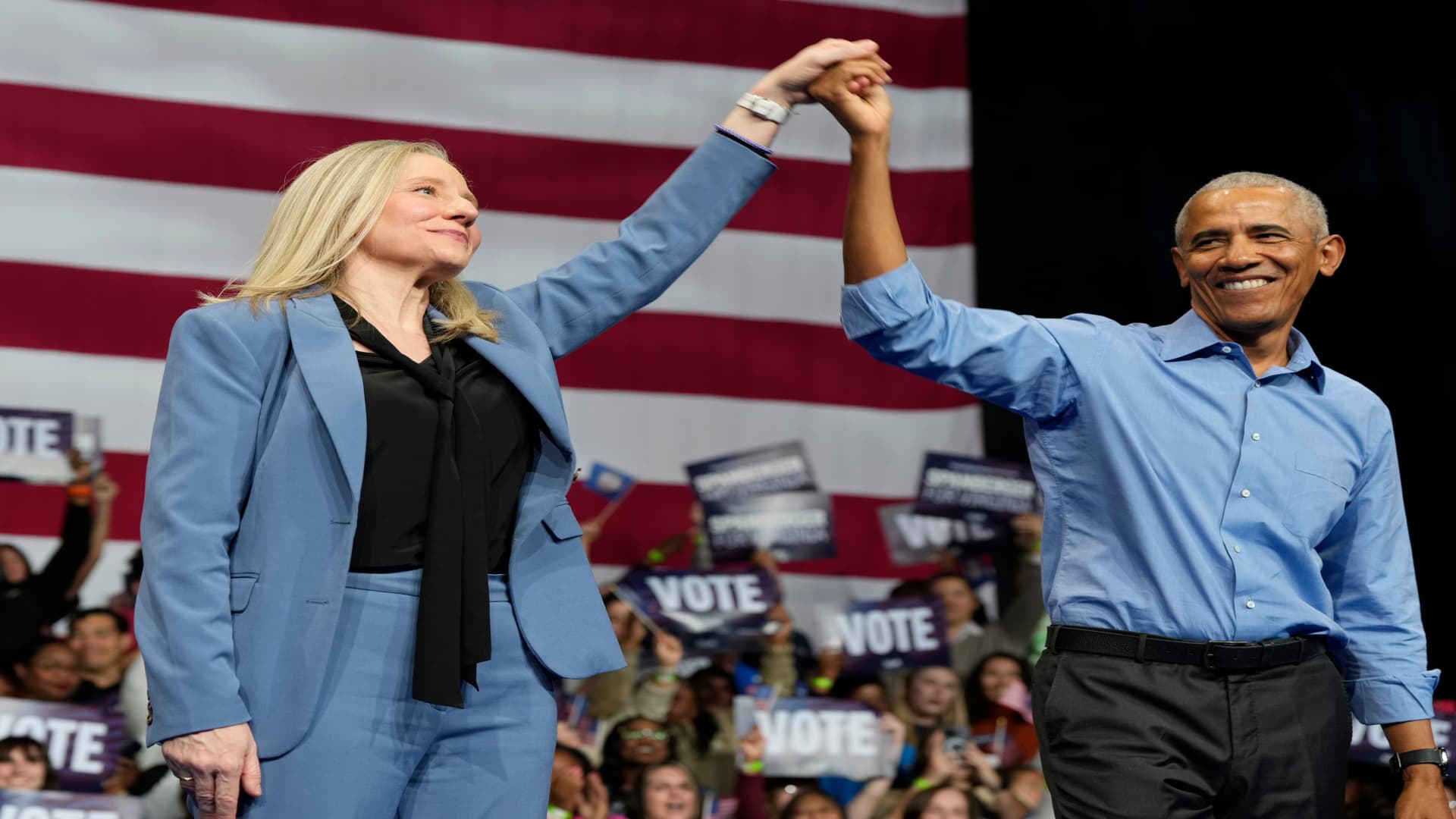
Election 2025 outcomes are set to critically influence market sentiment, with potential economic policy shifts impacting investor confidence. These electoral developments, amplified by significant political figures, highlight the dynamic interplay between national politics and financial markets. For investors, understanding these signals is paramount for strategic planning and capital allocation. Market analysts are closely monitoring voter turnout and candidate performance as key indicators of future economic direction.
The upcoming gubernatorial elections in Virginia and New Jersey are being viewed as a critical referendum on the current administration’s policies. Investors and traders are keenly observing these contests for early signs of potential policy changes that could steer economic growth and regulatory frameworks.
As of market close on October 25, 2025, major indices like the Nifty 50 are exhibiting mixed reactions. Key metrics to watch include voter turnout and candidate performance.
This analysis delves into the broader implications for stock markets.
Expert Market Analysis
The upcoming November 2025 gubernatorial elections in Virginia and New Jersey, significantly amplified by former President Barack Obama’s campaigning efforts, represent a pivotal moment in the current political and economic landscape. Obama’s strategic rallies are aimed at energizing the Democratic base for candidates Abigail Spanberger and Mikie Sherrill, positioning these contests as a vital referendum on President Trump’s second term. The emphasis on voter turnout and the clear contrast drawn with incumbent policies highlight the substantial stakes involved. Historically, state-level elections, especially in bellwether states like Virginia, have frequently served as indicators of broader national political trends. Consequently, investors and market participants are meticulously observing these contests for discernible signals regarding potential policy shifts that could steer the economic direction and shape regulatory frameworks across numerous industries, with particular attention on the technology and energy sectors. The prevailing economic climate, characterized by ongoing concerns over inflation and the general health of the economy, further accentuates the importance of these electoral dynamics.
From a comprehensive market perspective, the outcomes of these gubernatorial races can manifest tangible effects on investor confidence and long-term strategic planning. A change in state leadership often correlates with adjustments in fiscal policies, the trajectory of infrastructure investments, and the nature of business regulations. For example, a Democratic governor might champion investments in renewable energy or the technology sector, whereas a Republican governor might favor tax reductions and deregulation. Investors are diligently scrutinizing potential impacts on corporate taxation, labor laws, and sector-specific incentives, all of which directly influence the profitability and growth prospects of companies, particularly within sectors such as technology, energy, and real estate. As of the market close on October 25, 2025, major market indices are exhibiting mixed reactions to pre-election sentiment, with the Nifty 50 experiencing minor fluctuations.
The political discourse surrounding these elections is intrinsically linked to pressing national economic concerns. Obama’s campaign narrative directly addresses voter anxieties regarding their financial security, framing these elections as a critical decision point for the nation’s overall economic trajectory. The candidates’ platforms, which are focused on improving constituents’ financial well-being, are presented in contrast to policies that critics perceive as potentially detrimental to economic progress. This narrative strongly suggests a direct correlation between electoral choices and the perceived economic performance under the current administration. For businesses and investors alike, a thorough understanding of this interplay is indispensable for effectively navigating the evolving economic landscape and anticipating potential market movements driven by policy implications. Key economic indicators such as consumer spending patterns and manufacturing output are being closely monitored for early signals.
The broader implications for the stock market are considerable, given that political stability and predictable policy environments are fundamental pillars of investor confidence. Any perceived instability or drastic policy shifts arising from these elections could potentially trigger market volatility. Investors are strongly advised to conduct thorough due diligence, meticulously assessing how specific sectors might be affected by potential policy changes under either Democratic or Republican leadership. Companies that are heavily reliant on government contracts or are subject to stringent state-level regulations will likely exhibit heightened sensitivity to these electoral outcomes. A prudent investment approach, emphasizing fundamental strength and robust sector diversification, remains essential amidst this dynamic political and economic scenario.
Related Topics:
election 2025 market impact, US politics stock market, Virginia governor race, New Jersey governor race, Barack Obama campaign, market outlook 2025, stock market volatility, election analysis 2025
About the Author