Key Takeaways
Pope Leo XIV warns against shrinking free speech. Explore its digital implications for tech platforms, AI, and innovation in India.
Overview
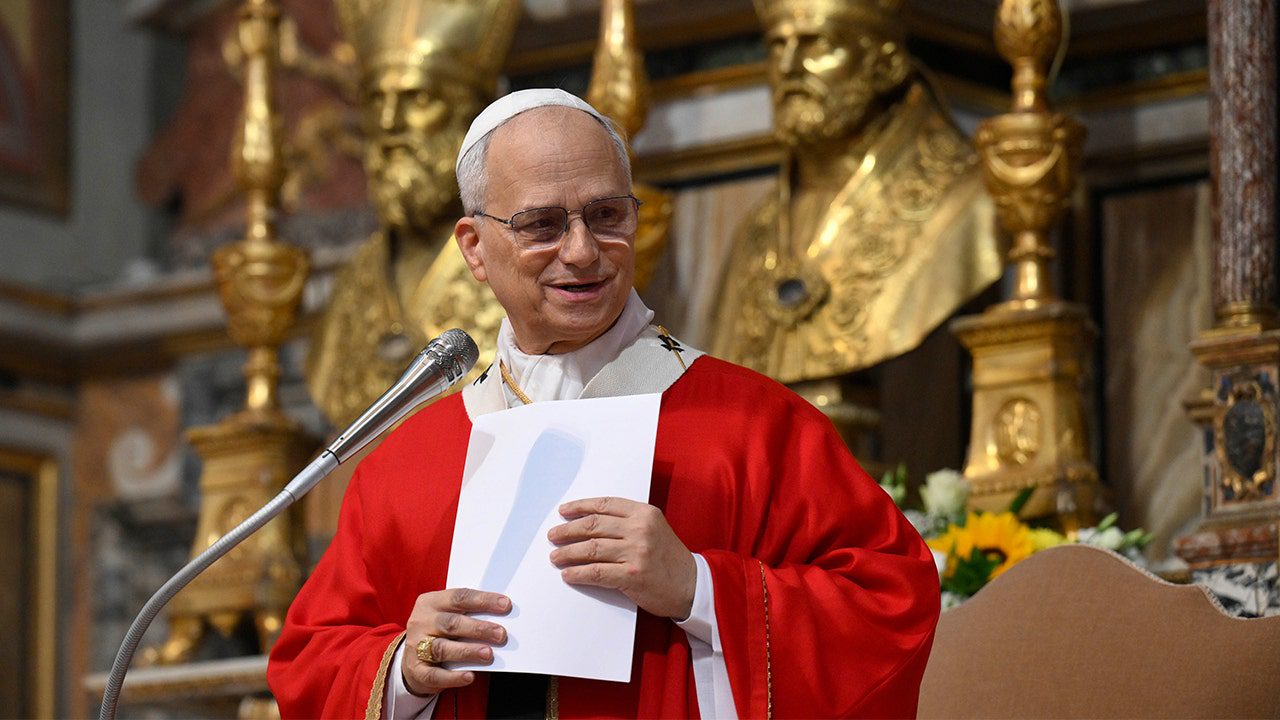
Pope Leo XIV recently delivered a stark warning against an ‘Orwellian-style’ ideology perceived to be undermining free speech and freedom of conscience, particularly in the West. This address, while broad in its scope, carries significant implications for Technology India and global tech innovators, developers, and startups shaping digital communication.
For tech enthusiasts and early adopters, the erosion of genuine freedom of expression directly impacts the design and ethical frameworks of digital platforms, AI moderation systems, and the future of information sharing. It prompts critical reflection on how technology might inadvertently contribute to or mitigate these trends.
Pope Leo highlighted a ‘rapidly shrinking’ space for genuine freedom of expression and the development of an ‘increasingly inclusive’ language that paradoxically excludes. He also noted a questioning of freedom of conscience by states, with 380 million believers facing persecution.
This analysis delves into how these philosophical warnings intersect with technological advancements, exploring the short, medium, and long-term implications for digital innovation and platform governance.
Detailed Analysis
Pope Leo XIV’s recent address to diplomatic corps members, where he articulated profound concerns about the erosion of free speech and the rise of an ‘Orwellian-style’ ideology in the West, carries significant, though indirect, implications for Technology India and the global tech landscape. While the Pontiff’s remarks primarily delve into socio-political and moral philosophy, their resonance in an increasingly digital world cannot be overstated for tech enthusiasts, innovators, and developers. Historically, every major shift in human communication, from the Guttenberg press to broadcast media, has reshaped societal debates around censorship, access, and the very nature of truth. The current era is defined by digital platforms, artificial intelligence, and global networks, making discussions around freedom of expression inherently technological. The Pope’s warning about space for genuine freedom of expression ‘rapidly shrinking’ and the emergence of a language that, in its pursuit of inclusivity, ‘ends up excluding those who do not conform,’ sets a challenging ethical backdrop for those building the future of the internet. This context compels the tech community to consider the underlying mechanisms within software, algorithms, and platform governance that could either safeguard or inadvertently compromise fundamental liberties. Furthermore, the Pope’s emphasis on freedom of conscience being increasingly questioned by states highlights the critical role of cybersecurity, encryption, and decentralized technologies in protecting individual autonomy against potential digital surveillance or state overreach. For startup founders, this isn’t just a philosophical discourse; it represents a burgeoning demand for solutions that prioritize user sovereignty and genuinely open digital environments. The broader trends of digital authoritarianism and online content control, even if not explicitly referenced by the Pope, are the practical battlegrounds for his theoretical concerns, positioning the tech sector at the forefront of this evolving global challenge.
Breaking down Pope Leo XIV’s pronouncements reveals several focal points that, when viewed through a technological lens, offer critical insights for the innovation ecosystem. Firstly, the ‘rapidly shrinking’ space for genuine freedom of expression directly correlates with the operational complexities of global digital platforms. Tech companies constantly grapple with balancing user-generated content, platform safety, and adherence to diverse national regulations. This balancing act often leads to content moderation policies that, while aiming for broad appeal or local compliance, can inadvertently restrict legitimate discourse or disproportionately impact certain user groups. Secondly, the concept of an ‘Orwellian-style language’ that purports inclusivity but actually excludes non-conformists finds a direct parallel in algorithmic design and AI ethics. Machine learning models, when trained on biased datasets or optimized for specific engagement metrics, can perpetuate and amplify existing societal biases, effectively creating echo chambers or suppressing dissenting voices. This algorithmic curation, often unseen by the end-user, shapes perception and limits exposure to diverse viewpoints, fitting the Pope’s description of a language that enforces conformity. The Pope’s assertion that ‘freedom of conscience seems increasingly to be questioned by States’ has profound implications for digital privacy and data security. Governments worldwide are enhancing digital surveillance capabilities, from bulk data collection to advanced facial recognition and predictive policing. For developers and startups, this necessitates a renewed focus on privacy-by-design principles, end-to-end encryption, and robust data protection measures to ensure that technological progress doesn’t inadvertently become a tool for authoritarian tendencies. The source also touches upon the persecution of Christians, a human rights crisis affecting over 380 million believers, which, in the digital age, can involve online harassment, targeted disinformation campaigns, and the use of technology to track and suppress religious freedoms. These observations, while not technical specifications, serve as critical requirements for the ethical and responsible development of future technologies.
Comparing the current digital landscape with the Pope’s warnings illuminates contrasting approaches to free speech within the tech industry. On one hand, many established social media giants operate under a model of centralized content governance, where platform policies dictate what is permissible. This often leads to accusations of arbitrary censorship or ideological bias, a direct echo of Pope Leo’s concern about shrinking expressive freedom. Their vast scale and influence mean that a single policy decision can impact billions, creating a significant point of vulnerability for diverse expression. On the other hand, the burgeoning Web3 and decentralized technology movement offers a different paradigm. Projects in this space, leveraging blockchain and distributed ledger technologies, aim to remove central authorities from content hosting and moderation, theoretically offering greater censorship resistance and user autonomy. Innovations like decentralized social media protocols, secure messaging apps built on peer-to-peer networks, and self-sovereign identity solutions are direct responses to the perceived ‘Orwellian-style’ control over information. However, these emerging technologies face their own challenges, including scalability, user adoption, regulatory uncertainty, and the inherent difficulty of moderating truly decentralized malicious content. The Pope’s call for a society that ‘does not impose uniformity but protects the diversity of consciences’ resonates strongly with the foundational principles of decentralization, even as the practical implementation remains complex. The comparison highlights a strategic divergence within the tech sector: traditional models grapple with the ethical weight of their power, while innovative startups strive to architect systems that are fundamentally resilient to the pressures of ideological conformity and state questioning of freedom, embodying the future implications of digital governance. [Suggested Matrix Table: Digital Communication Platforms: Centralized vs. Decentralized Models, with metrics such as Content Control Authority, Data Privacy Framework, Censorship Resistance Level, Scalability & Adoption, User Sovereignty Score]
For Tech Enthusiasts, the Pope’s warnings are a potent reminder that technology is not value-neutral; its design choices profoundly impact societal freedoms. Engaging with platforms that prioritize genuine expression and privacy is crucial. Innovators must view this as a call to action, driving the development of open-source solutions, robust encryption tools, and transparent AI systems that foster, rather than inhibit, diverse thought. The market demands technologies resilient to ideological pressures and state interference. Early Adopters should actively seek out and support decentralized applications and privacy-focused software, providing crucial feedback that can accelerate their development and mainstream adoption. Their engagement is vital in shaping the future of digital freedom. Developers bear the direct responsibility of embedding ethical considerations into their code, from designing moderation algorithms that minimize bias to building secure architectures that protect freedom of conscience. Implementing privacy-by-design and promoting open standards will be paramount. Finally, Startup Founders face a significant opportunity to build businesses that align with these values. Ventures focused on secure communication, verifiable identity, decentralized content platforms, and ethical AI governance are not merely addressing niche markets but responding to a global imperative for digital freedom. Monitoring legislative shifts around online content, investing in R&D for privacy-enhancing technologies, and collaborating on open standards will be critical next steps. The future of free speech in the digital age depends heavily on the choices and innovations made by the global tech community, particularly in dynamic hubs like Technology India, which can lead by example in ethical tech development.
About the Author