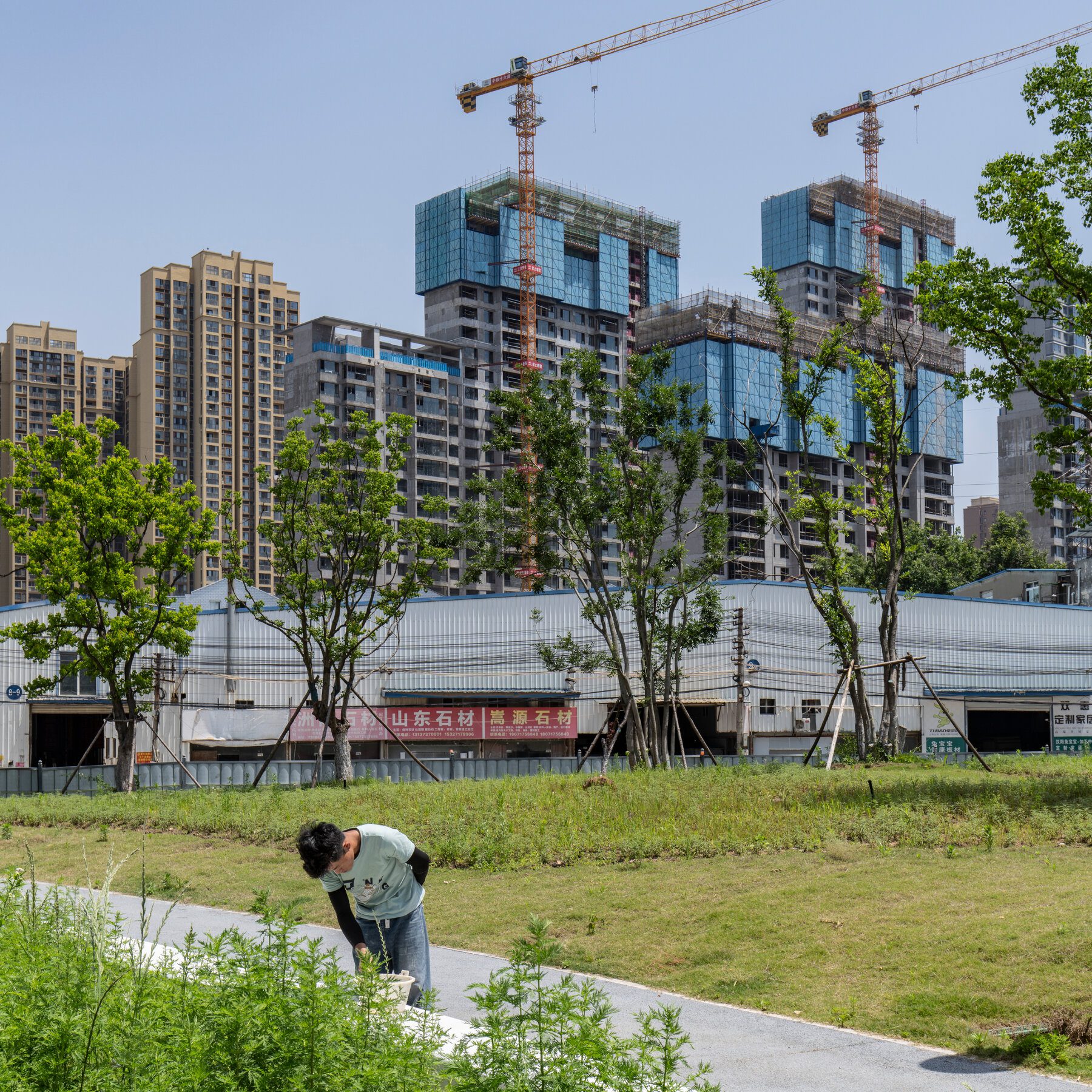
China Real Estate Crash Weighs, Exports Lift 5% Growth 2026
🔑 KEY TAKEAWAYS
- ✓ Property Crisis: Falling apartment prices have significantly eroded the savings of millions of Chinese households.
- ✓ Economic Resilience: Despite real estate woes, strong exports propelled China’s economy to a robust 5% growth last year.
- ✓ Household Impact: The wealth erosion from property devaluation poses a challenge to domestic consumption and long-term financial stability.
- ✓ Dual Economy: China’s economy currently navigates a stark dichotomy between a struggling domestic property market and a booming export sector.
- ✓ Future Outlook: Policy interventions for property stabilization and continued export demand will be crucial for sustainable growth in 2026.
China’s economic landscape in early 2026 presents a complex picture, with a significant **real estate crash** eroding the wealth of millions while robust exports bolster national growth. Falling apartment prices have directly impacted Chinese households, diminishing accumulated savings and sparking widespread concern across the nation. This critical development highlights a core tension within the world’s second-largest economy.
For general readers and news consumers, understanding this dynamic is vital as China’s economic health profoundly influences global markets and supply chains. The property downturn threatens consumer confidence and domestic stability, making its resolution a priority for Beijing. This situation holds significant implications for global trade and investment outlooks, affecting current affairs discussions worldwide.
Despite these domestic headwinds, China’s economy achieved a notable 5% growth last year, primarily driven by a powerful surge in its export sector. This dual performance reveals a strategic reliance on external trade to offset internal market weaknesses.
This analysis delves into the intricate details of China’s property crisis and the export boom, exploring their combined impact on the nation’s economic trajectory and offering insights for 2026.
What Challenges Does China’s Real Estate Sector Face?
China’s real estate sector faces significant challenges due to falling apartment prices, which have directly erased the savings of millions of Chinese households. This downturn stems from overleveraged developers, speculative investments, and a sharp decline in buyer confidence, creating a widespread property crisis.
The roots of this crisis trace back to a prolonged property boom fueled by easy credit and rapid urbanization. For decades, real estate served as the primary wealth-building avenue for Chinese families, often representing over 70% of household assets. This reliance created a systemic vulnerability now exposed by the market correction.
Supporting details show that major developers, including Evergrande and Country Garden, have grappled with immense debt, leading to unfinished projects and defaults. Government interventions, though aimed at de-risking the sector, have inadvertently intensified the downturn by tightening financing for developers and slowing sales.
How Did Exports Propel China’s Economic Growth?
Exports played a crucial role in lifting China’s economy to a 5% growth last year, effectively counteracting the severe drag from the domestic real estate crash. Robust global demand for Chinese manufactured goods, electronics, and machinery provided a vital external lifeline, showcasing the nation’s industrial resilience.
The 5% growth metric highlights the remarkable performance of China’s export-oriented industries. Despite global economic uncertainties, Chinese factories maintained high production levels, capitalizing on stable international supply chains and competitive pricing. This export surge became a critical buffer against internal economic pressures, including the property market slump.
Expert insights suggest that government policies supporting manufacturing and strategic investments in high-tech industries contributed significantly to this export resilience. Analysts point to China’s dominant position in various global supply chains as a key factor enabling continued strong overseas sales, even as domestic consumption remains muted.
Comparative analysis reveals that without this robust export performance, China’s overall economic growth rate would have been substantially lower, potentially dipping into recessionary territory given the scale of the real estate crisis. The export sector’s vigor provides a stark contrast to the struggles of domestic, property-dependent industries.
What Are the Broader Impacts on Chinese Households?
The real estate crash has had profound impacts on Chinese households, primarily through significant wealth erosion as apartment prices fall, directly diminishing their life savings. This downturn has severely shaken consumer confidence, leading to cautious spending habits and a reluctance to invest in major assets.
The primary impact is a psychological and financial one: families who invested heavily in property now face negative equity or diminished asset values, affecting retirement plans, children’s education funds, and overall financial security. This directly translates into reduced domestic consumption, a critical component for sustainable economic expansion.
Secondary effects include increased youth unemployment in related sectors like construction and real estate services, alongside a generalized slowdown in the services industry. This creates a cycle where lower confidence leads to less spending, further weakening the internal market and exacerbating economic challenges.
Stakeholder analysis shows homeowners bear the brunt of falling values, while developers face bankruptcy risks and local governments lose a significant revenue stream from land sales. This intricate web of challenges underscores the systemic nature of the property crisis and its far-reaching consequences for the average citizen.
What Should Global Observers Watch Next for China’s Economy?
Global observers should closely monitor China’s policy responses to the real estate crisis and the sustained momentum of its export sector for insights into its economic future. Key indicators include government stimulus measures aimed at stabilizing the property market and efforts to boost domestic consumption, alongside global trade dynamics.
Key catalysts to watch include any significant government announcements regarding property market bailouts or debt restructuring plans for developers. Additionally, the trajectory of global demand for Chinese goods, influenced by geopolitical tensions and international economic health, will be crucial. Upcoming economic data releases on retail sales and industrial output will provide further clarity.
Potential scenarios range from a gradual stabilization of the property market through targeted interventions, leading to a slow recovery in consumer confidence, to a prolonged downturn if policy measures prove insufficient. The resilience of exports against a backdrop of potential global trade protectionism also presents a critical variable.
For General Readers and News Consumers, the actionable insight involves observing how China balances its dual economic challenges. Keep an eye on reports about consumer spending trends and any shifts in its trade relationships, as these will signal the overall direction of the Chinese economy in 2026 and beyond.
❓ Frequently Asked Questions
What is the current state of China’s real estate market in 2026?
In 2026, China’s real estate market is grappling with falling apartment prices, which have notably erased the savings of millions of households. This downturn reflects broader issues of oversupply, developer debt, and diminished buyer confidence, creating a significant challenge for the national economy and financial stability.
Why are falling apartment prices a major concern for China’s economy?
Falling apartment prices are a major concern because real estate represents a vast portion of household wealth in China. Their decline directly reduces consumer spending capacity and confidence, impacting domestic demand. This wealth erosion also threatens the stability of financial institutions exposed to property loans, posing systemic risks.
How did China achieve 5% economic growth despite the property crash?
China achieved 5% economic growth last year primarily due to robust exports, which provided a strong counterweight to the domestic real estate slump. Strong global demand for Chinese manufactured goods, coupled with an efficient production base, allowed the export sector to significantly contribute to the overall GDP, offsetting internal weaknesses.
What are the potential global implications of China’s economic situation?
China’s economic situation has significant global implications. A slowdown in its domestic consumption could reduce demand for international goods and services, impacting global trade. Conversely, its strong export performance sustains global supply chains. The stability of its financial system also holds sway over international markets, making it a key focus for global investors.
📚 Related Topics on Stock99.in
Explore more latest updates:
- Global Economic Outlook 2026: Navigating Uncertainty
- Understanding the Impact of Central Bank Policies on Property Markets
- Emerging Markets Investment Strategies: Opportunities and Risks
- India-China Trade Relations: Challenges and Prospects
- The Future of Global Supply Chains: Resilience and Diversification
About the Author