Key Takeaways
Chile’s 2025 election impacts mining & tax policy. Get investor insights, analyze market outlook, and potential volatility for Chilean assets.
Market Introduction
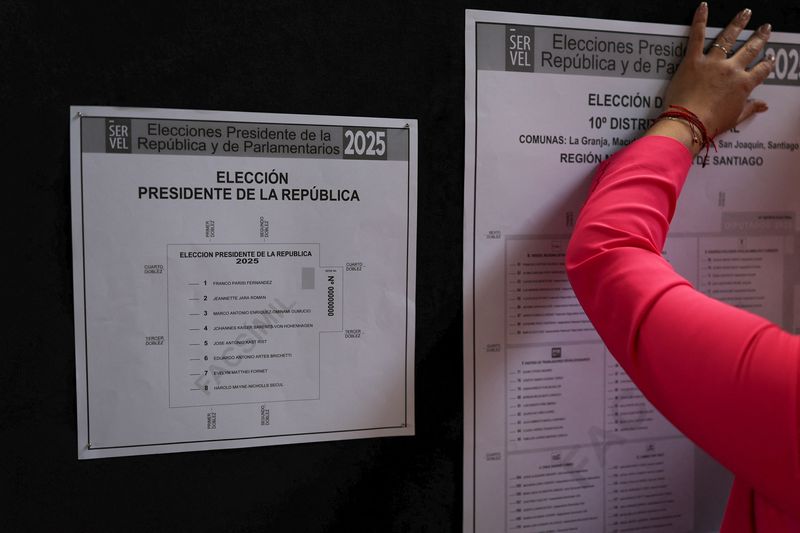
Chile’s 2025 election is poised to significantly influence its mining and tax policies, presenting crucial investor insights. Market dynamics are under intense scrutiny as potential policy shifts loom.
This election is vital for international investors and commodity markets, impacting economic policies and potentially causing volatility for regional assets.
Analysts are tracking voter turnout and poll results closely. Key metrics like EBITDA margins and free cash flow are being evaluated.
We delve into specific policy impacts and outlook for navigating this complex cycle.
In-Depth Analysis
Chile’s 2025 presidential election marks a critical juncture, with potential pivots between market-friendly policies and increased state intervention, mirroring historical patterns observed in Latin America. Current socio-economic conditions, including past unrest and economic uncertainties, intensify discussions around inequality and necessary reforms. The leading candidates, Jara and Kast, offer starkly divergent economic visions. Jara’s platform might consider resource nationalization, while Kast advocates for a more laissez-faire approach aimed at attracting foreign investment. Investors are meticulously observing how these ideological differences translate into actionable policy proposals, particularly concerning their impact on the globally significant copper and lithium extraction industries, creating a complex landscape for mining sector analysis.
This policy divergence poses significant risks of market fluctuations. Jara’s proposals for enhanced social spending and potential tax increases on mining firms could directly affect profitability and investor appeal. Conversely, Kast’s emphasis on fiscal conservatism might be welcomed by some international players, but his social stances could foster internal discord. Analysts are rigorously evaluating projected EBITDA margins and free cash flow, alongside the likelihood of significant regulatory shifts. Technical indicators for Chilean equities and the peso are expected to react dynamically to poll shifts and debate performances, with key support and resistance levels becoming crucial watchpoints as the election date nears, offering potential trading opportunities for astute traders.
Comparing Chile’s political and economic environment to its regional peers reveals a recurring pattern of electoral cycle-driven volatility. Peru, for instance, has experienced substantial market swings due to persistent political instability and policy uncertainty. In contrast, economies with consistent regulatory frameworks often benefit from greater market stability. Chile’s historically robust performance in the mining sector has provided a significant buffer, but the current election cycle presents unique challenges. The market share of key Chilean companies, especially in extractive industries, could be directly impacted by changes in mining regulations or environmental policies. Competitors in Brazil and Argentina might also see shifts in investment flows depending on the perceived stability and policy direction emanating from Chile.
The expert takeaway for both retail and institutional investors is a balanced stance of caution coupled with an active search for opportunities. The immediate post-election period is likely to witness heightened volatility, potentially offering strategic entry points for long-term investors with high-risk tolerance. Key risks include policy paralysis, social unrest if reforms are perceived as inadequate or drastic, and external economic shocks. Opportunities may emerge in sectors benefiting from specific candidate policies, such as renewable energy or infrastructure. Investors should closely monitor the transition period and initial policy announcements, as price targets for Chilean assets are likely to be significantly revised based on SEBI guidelines for risk disclosure.
About the Author