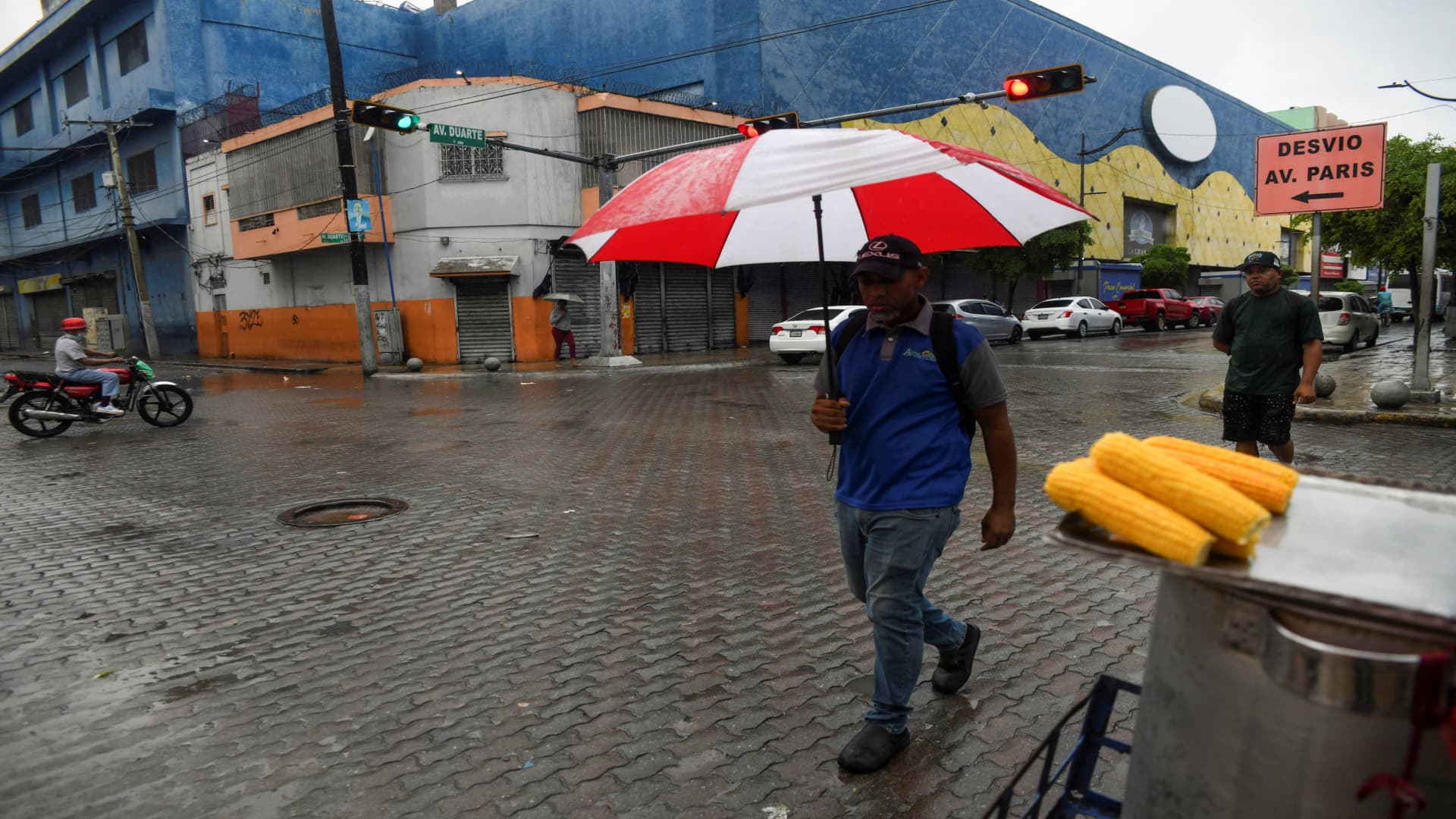
Tropical Storm Melissa is set to intensify, posing a severe threat of catastrophic rainfall and flooding across the northern Caribbean on October 25, 2025. This presents significant risks to infrastructure and economies, particularly impacting Haiti and Jamaica. Investors must closely monitor the storm’s trajectory and its potential effects on global supply chains and commodity prices.
The forecast for rapid storm intensification demands immediate investor attention for businesses with exposure to the region. Understanding the potential for widespread damage is crucial for effective risk management and strategic planning.
Current wind speeds are 70 mph, with forecasts indicating major hurricane status. Latest satellite data shows a slow westward-northwest movement, highlighting the unfolding situation.
This analysis details critical economic implications and investment considerations.
Expert Market Analysis
The impending arrival of Tropical Storm Melissa, with its projected intensification and path across the northern Caribbean on October 25, 2025, signals a period of considerable economic vulnerability for the region. Historically, severe weather events in this vital global trade and tourism hub have precipitated substantial disruptions, impacting agricultural output, tourism revenue, and international shipping routes. The forecast of up to 35 inches of rainfall in southwest Haiti alone underscores the potential for widespread damage reminiscent of previous major hurricanes, which have severely destabilized the economic footing of nations like Jamaica and the Dominican Republic. Market analysts are closely observing fluctuations in commodity prices, with particular focus on agricultural goods and energy markets, which are inherently susceptible to weather-induced disruptions. The storm’s notably slow movement is a critical factor, exacerbating the risk of prolonged economic impact and deepening concerns about the duration of potential downturns in the most affected territories.
From a fundamental analysis perspective, the immediate and primary concern revolves around the potential for significant damage to critical infrastructure, including roads, ports, and power grids, all of which are indispensable for sustained economic activity. For corporations operating within or sourcing materials from the Caribbean, the storm’s intensification to hurricane strength, with potential escalation to Category 4 status, could precipitate severe operational challenges. These challenges encompass an increase in insurance claims, substantial business interruption losses, and the distinct possibility of widespread supply chain bottlenecks. Examining the resilience of local infrastructure and the preparedness of national governments, as evidenced by Jamaica’s proactive activation of over 650 shelters and strategic stocking of warehouses, offers valuable insight into the potential severity of the impending economic fallout. The financial sector, in turn, is likely to face heightened credit risk within these impacted regions, while companies possessing robust business continuity plans are expected to be better positioned to navigate these turbulent conditions.
Drawing comparisons to historical weather events, such as the devastating Hurricane Maria in 2017, starkly highlights the potential for catastrophic economic consequences. Both Haiti and the Dominican Republic, nations still actively engaged in recovery from prior natural disasters, are exposed to particularly acute risks. While the immediate global focus is rightly directed towards humanitarian aid and essential disaster relief efforts, the long-term economic ramifications for the entire Caribbean basin, including its ripple effect on emerging markets and overall investor sentiment towards the region, cannot be overstated. Further broadening the scope of potential economic disruption across the Atlantic seaboard, the Bahamas and Turks and Caicos Islands are also identified as being under threat.
Investor sentiment is anticipated to adopt a cautious stance concerning companies with substantial operational footprints or complex supply chains situated within the affected geographical areas. While direct, short-term stock market impacts on major Indian indices such as the Nifty 50 or BSE Sensex may be relatively limited, the indirect ripple effect on global trade dynamics and commodity prices warrants diligent attention. Conversely, potential opportunities may emerge for enterprises actively engaged in disaster recovery operations, infrastructure rebuilding initiatives, and the development of agricultural resilience solutions. Nevertheless, the paramount takeaway for all stakeholders is the critical need for proactive risk assessment methodologies and the strategic diversification of investment portfolios to effectively mitigate potential losses arising from such inherently unpredictable natural events.
Related Topics:
Tropical Storm Melissa Analysis, Caribbean Impact 2025, Haiti Flood Risk, Jamaica Hurricane Warning, Dominican Republic Economy, Atlantic Hurricane Season, Natural Disaster Investment, Commodity Price Volatility, Supply Chain Disruption, Weather Impact Analysis
About the Author