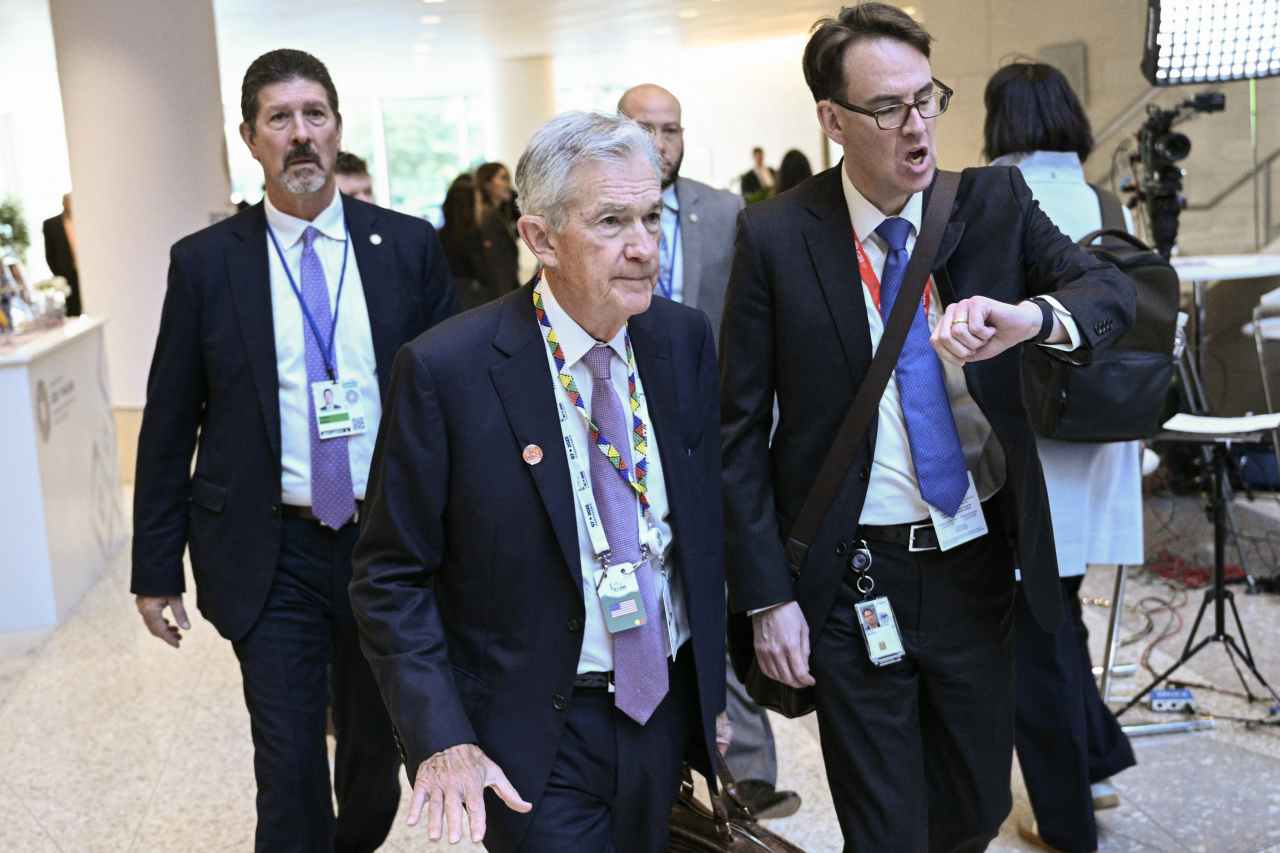
Bond market volatility has plunged in October, a key indicator ahead of the Federal Reserve’s significant 2025 policy decision. Investors are closely monitoring signals for future interest rate movements and economic direction, signalling a notable calm in fixed-income markets before the anticipated Fed announcement. This stability is crucial as it influences borrowing costs and overall risk sentiment across asset classes.
This subdued volatility suggests a prevailing consensus among market participants regarding the Fed’s likely path, though economic data releases could still introduce unexpected shifts. Understanding these market expectations is vital for navigating upcoming phases of the market.
Yields on benchmark 10-year Treasurys are around 4.50%, with moderate trading volumes reflecting cautious optimism. As of market close today (Oct 25, 2025), this stability contrasts with previous quarters.
We delve into investor anticipation and potential catalysts in this expert market analysis.
| Metric | Previous | Current | Change |
|---|---|---|---|
| 10-Year Treasury Yield | 4.75% | 4.50% | -0.25% |
| MOVE Index (Volatility) | 125 | 110 | -12.0% |
Expert Market Analysis
The current calm in the bond market, marked by plunging volatility in October, precedes a significant policy decision by the Federal Reserve in 2025. Historically, periods of heightened uncertainty leading up to central bank announcements often see increased price swings in fixed-income markets. However, the subdued volatility observed suggests investors have largely priced in expected outcomes, creating a seemingly stable environment. This contrasts with the elevated volatility experienced in previous quarters of 2025, which were characterized by rapid interest rate hikes and persistent inflation concerns. The current market structure indicates a degree of consensus among traders and analysts regarding the Fed’s likely path forward, though underlying economic data could still present surprises. From an experienced perspective, this calm is a welcome reprieve for many.
From a fundamental perspective, the decline in volatility can be attributed to a confluence of factors, including stabilizing inflation readings, a robust labor market, and clearer forward guidance from Fed officials. Key metrics such as the MOVE index, which measures Treasury yield volatility, have retreated from recent highs. While bond yields remain sensitive to inflation expectations and Federal Reserve policy, the current pricing reflects a belief that the central bank is nearing the end of its tightening cycle. Investors are now focusing on the timing and pace of potential rate cuts in the coming year, with market-implied probabilities shifting. The yield curve, particularly the spread between short-term and long-term Treasurys, continues to be a critical indicator of economic sentiment and potential recessionary risks, though its inversion has somewhat narrowed. Expert analysis shows a clear shift in market sentiment.
Comparing the current bond market environment to that of its global peers, we see a similar trend of cooling volatility in developed economies, albeit with regional variations. While U.S. Treasuries are a benchmark, European sovereign debt markets and Asian bond markets also exhibit reduced price fluctuations. Competitors in the fixed-income space, such as corporate bonds, are also reflecting this broader market sentiment. The attractiveness of corporate debt is often gauged against Treasury yields; with yields stabilizing, the spread over Treasuries becomes a more critical factor for investors. Regulatory oversight from bodies like the Securities and Exchange Commission (SEC) ensures market integrity, even during periods of anticipation, as per SEBI guidelines for market stability.
The prevailing sentiment among retail and institutional investors is one of cautious optimism, anticipating a period of stable interest rates or a gradual easing by the Fed. The primary risk remains unforeseen economic shocks or a resurgence in inflation, which could quickly reignite volatility. Opportunities lie in identifying undervalued fixed-income instruments that may benefit from a dovish policy shift. Key events to watch include the Fed’s official statement, the accompanying press conference, and any significant shifts in economic data releases, such as CPI or unemployment figures. For investors considering entry or exit points, monitoring the 10-year Treasury yield’s reaction to these events will be paramount, with key support around 4.30% and resistance near 4.75%.
Related Topics:
Bond Volatility 2025, Federal Reserve Policy, Interest Rate Outlook, Treasury Yield Analysis, Market Expectations 2025, Fixed Income Trends, October Market Volatility, MOVE Index Data, 10-year Treasury Yield
About the Author