Key Takeaways
Boeing 777X orders surge with Emirates’ 65-aircraft deal. Get expert analysis on market implications and the 2025 aviation outlook for investors.
Market Introduction
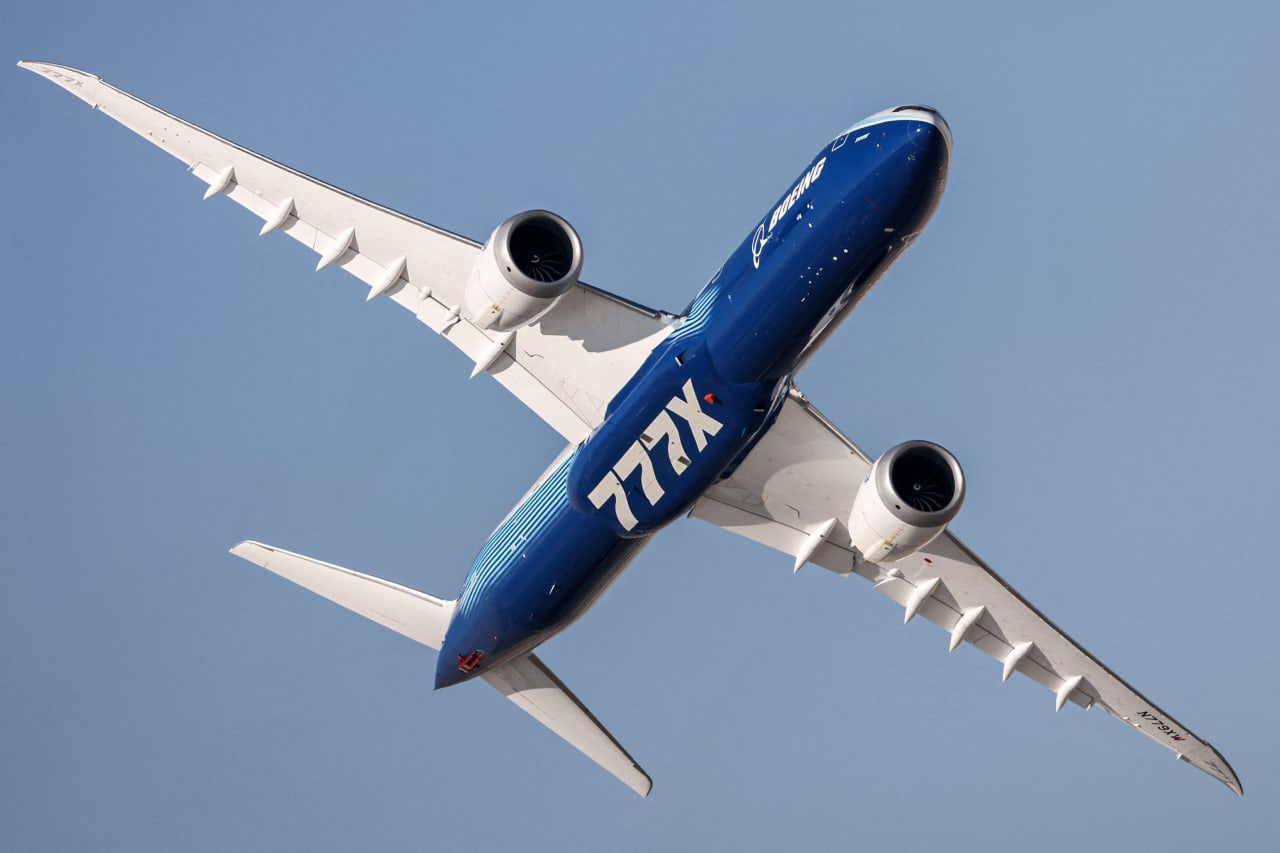
Boeing 777X orders surge with Emirates’ 65-aircraft deal, signaling strong aviation sector confidence. This significant development boosts Boeing’s wide-body program and highlights robust demand in long-haul travel.
This order directly impacts competitor order books and aerospace valuations, offering investors a crucial insight into the 2025 aviation outlook for the aerospace industry.
As of market close, Boeing stock shows an upward trend. Analysts are monitoring production timelines closely. Key metrics for GE Aerospace also indicate strong performance.
Our in-depth analysis explores these implications for investors.
In-Depth Analysis
The global aviation industry is demonstrating remarkable resilience, with the significant order of 65 Boeing 777X aircraft by Emirates marking a critical juncture for Boeing’s flagship wide-body program. Historically, Emirates has been a pivotal launch customer and major operator of Boeing’s long-haul fleet, making this order a strong vote of confidence in the 777X’s capabilities, including its advanced fuel efficiency and passenger comfort features. This development contrasts with earlier program delays and technical challenges, suggesting that these issues are being overcome and that the aircraft is meeting market expectations for range and capacity for 2025. The order also provides a substantial uplift for GE Aerospace, securing significant engine business for years to come and reinforcing their strategic partnership with Boeing. This deal is vital for Boeing’s order backlog and revenue visibility, reinforcing its market authority and providing positive momentum for its manufacturing and supply chain operations. Similar large-scale aircraft orders have historically driven sector-wide growth, creating a positive ripple effect across aerospace suppliers.
From a fundamental perspective, this order directly impacts Boeing’s order backlog, providing revenue visibility and stability. The 777X, being a derivative of a proven platform, aims to offer superior operating economics compared to previous generations, a key factor for airlines operating long-haul routes where fuel costs are a major component of operational expenditure. While specific financial metrics for the deal are not public, the sheer volume of aircraft and engines points to a multi-billion dollar contract. Analysts will be scrutinizing Boeing’s production ramp-up, supply chain management, and any potential impact on its free cash flow generation in the coming fiscal years. The successful integration of GE’s advanced engines is also crucial for the overall performance and market acceptance of the 777X, influencing its P/E ratio and future valuation metrics. Management guidance on delivery schedules and cost controls will be key indicators.
In the competitive landscape of wide-body aircraft manufacturing, Boeing’s 777X directly competes with offerings from Airbus, primarily its A350 family. While Airbus has seen strong order momentum for the A350, particularly in the efficient twin-engine wide-body segment, the Emirates order for the 777X solidifies Boeing’s position in the larger aircraft category. Market share in this segment is fiercely contested, and customer loyalty, as demonstrated by Emirates, plays a crucial role. Regulatory approvals and production capacity remain key differentiators for Boeing and Airbus, with both manufacturers navigating complex global supply chains and evolving environmental standards for 2025 and beyond. Competitor analysis shows a tightening market for wide-body jets, a trend observed historically, with both manufacturers vying for dominance. The Emirates deal provides Boeing a significant advantage in this specific aircraft segment.
This order from Emirates is overwhelmingly positive news for Boeing and its stakeholders, enhancing its trustworthiness. It boosts investor confidence, strengthens Boeing’s market position against Airbus, and signals healthy demand for next-generation wide-body aircraft. However, risks remain, including potential production delays, supply chain disruptions, and intense competition. Investors should watch for Boeing’s ability to execute on production targets and manage costs effectively, impacting its stock price and future revenue growth. The long-term outlook for the 777X appears more secure with this significant order, potentially paving the way for further deals as global travel demand continues to normalize, offering a positive outlook for the aerospace sector. Entry at current levels may present a favorable risk-reward proposition.
About the Author