Key Takeaways
Australian PM Albanese recalls parliament early to fast-track new hate speech and gun laws. Understand the urgent policy implications and debate.
Overview
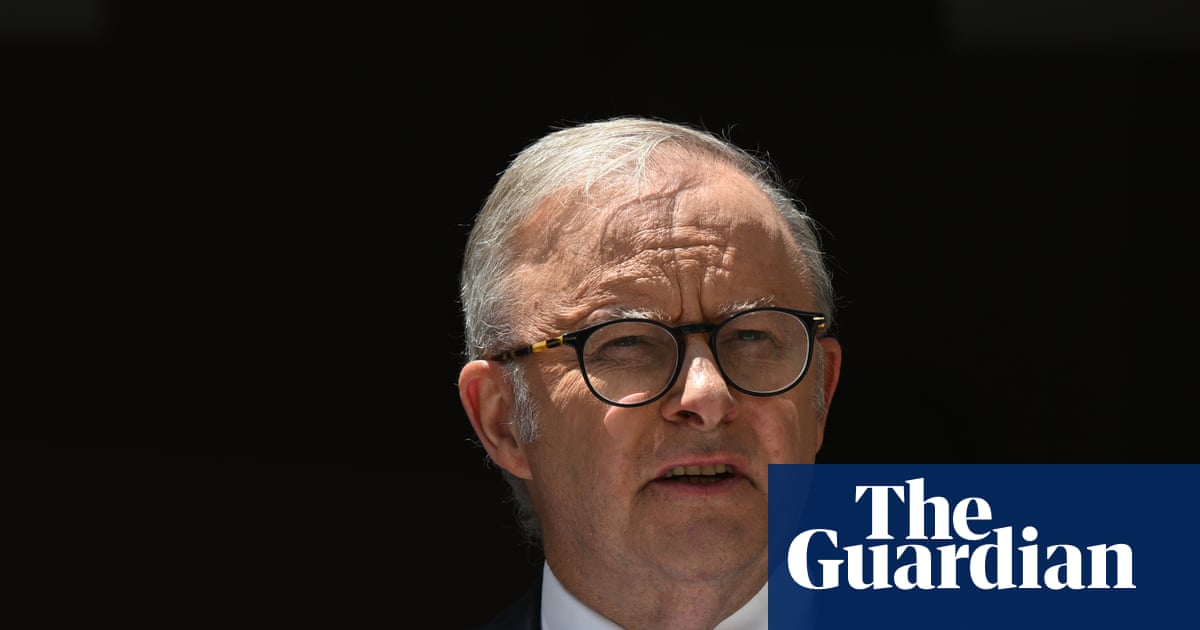
Australian Prime Minister Anthony Albanese has recalled parliament two weeks early to fast-track urgent legislation addressing tougher hate speech laws and significant gun reform. This parliamentary session, set for January 19 and 20, 2026, responds directly to the recent Bondi terror attack, aiming to prevent similar tragedies by tackling both extremist ideologies and access to firearms.
The move signifies a critical juncture in Australian politics, prompting immediate debate on fundamental rights and national security. Policy watchers and informed citizens are closely monitoring the swift legislative process, which merges two complex policy areas into a single bill.
Key proposals include creating a new racial vilification offence, listing prohibited hate groups with a lower threshold than terror groups, and establishing the biggest gun buyback program since the Port Arthur massacre. The Home Affairs Minister will also gain new powers to cancel or refuse visas related to extremism.
The coming parliamentary debate will reveal the extent of cross-party support and the legislative trajectory of these landmark reforms, with significant implications for civil liberties and public safety.
Detailed Analysis
The sudden recall of Australia’s parliament underscores the government’s perceived urgency in addressing the dual threats of extremism and firearm violence following the recent Bondi terror attack. This proactive legislative push by Prime Minister Albanese draws parallels with past critical moments in Australian history where significant policy shifts occurred in response to national traumas. Historically, major gun law reforms in Australia, particularly after the 1996 Port Arthur massacre, demonstrated a national resolve to restrict firearm access, establishing a precedent for federal intervention in what are often state-regulated areas. The current initiative extends this resolve to hate speech, a domain that, while having existing anti-vilification laws, now faces proposals for substantially tougher legal frameworks to counter radicalisation.
The proposed legislation, hailed by Attorney General Michelle Rowland as ‘the toughest hate laws Australia has ever seen,’ encompasses several key provisions. It introduces a new racial vilification offence and allows for the formal listing of ‘prohibited hate groups,’ a category distinct from terrorist organisations, indicating a lower threshold for proscription. Furthermore, it mandates that extremist motivation be factored into sentencing for offenders, strengthens prohibitions on specific symbols, and criminalises inciting hatred with intent to intimidate or harass. Concurrent with these measures, the Home Affairs Minister will receive expanded powers for visa cancellation or refusal linked to extremist views. Critically, these hate speech reforms are packaged alongside provisions for the most extensive gun buyback program since the Port Arthur massacre, aiming to remove firearms from circulation and reduce the potential for armed violence.
This legislative package has immediately spurred diverse reactions across the political spectrum and among stakeholder groups. Prime Minister Albanese has explicitly denied that the combined bill is an attempt to ‘wedge’ the opposition, stating, ‘The terrorists at Bondi beach had hatred in their minds, but guns in their hands. This law will deal with both.’ However, Opposition Leader Sussan Ley has voiced ‘deep skepticism,’ arguing that combining ‘complex and unrelated policy areas’ like speech and firearms into a single bill is a political manoeuvre rather than one focused on the national interest. This perspective is echoed by One Nation and some Nationals MPs who have expressed opposition to tougher gun laws, with states like Tasmania demanding federal funding for the new buyback program. The government, having consulted with Jewish groups, has garnered preliminary support for tightening hate speech laws, with the Executive Council of Australian Jewry welcoming the ‘promising sign’ for stronger protections, following the Prime Minister’s recent announcement of a royal commission into antisemitism and social cohesion.
For News Readers, Policy Watchers, Informed Citizens, and Political Analysts, the upcoming parliamentary session (January 19-20) represents a pivotal moment. Stakeholders should monitor the specifics of the bill’s public release, the debates within the Parliamentary Joint Committee on Intelligence and Security, and ultimately, the Senate vote anticipated by January 20. The integrated approach to hate speech and gun control poses significant policy implications, potentially reshaping the balance between freedom of expression and public safety, while also impacting firearm ownership rights. Future scrutiny will focus on the practical enforcement of ‘prohibited hate group’ definitions, the financial burden of the gun buyback on federal-state relations, and the effectiveness of these measures in truly mitigating extremist threats and gun violence. The outcome will set a precedent for how Australia responds to incidents of terror with sweeping legislative reforms.
About the Author