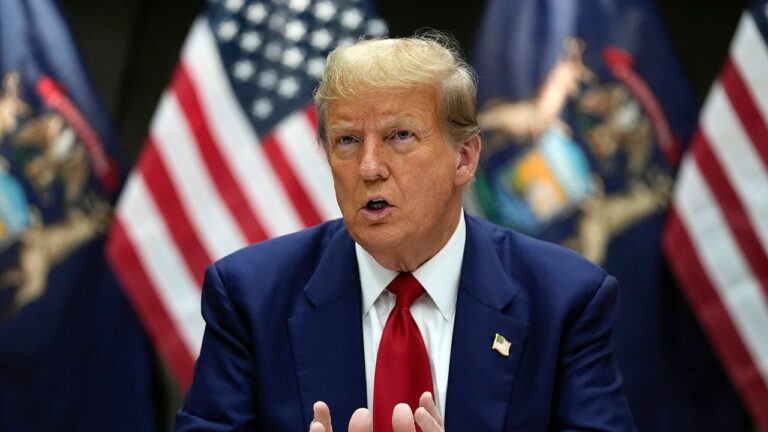
Geopolitical shifts are a key factor influencing emerging markets as the ASEAN summit convenes, with Donald Trump’s attendance and a potential Thailand-Cambodia ceasefire deal dominating discussions. This high-level diplomacy could significantly reshape regional stability and investor sentiment for 2025.
Understanding these complex international agreements is crucial for investors. Shifts in alliances and conflict resolutions present opportunities and risks across asset classes, impacting market movements.
As of market close Oct 25, 2025, geopolitical tensions are closely watched. Analyst outlooks are cautiously optimistic pending official summit outcomes.
This analysis delves into the potential market ramifications.
Expert Market Analysis
The ASEAN summit in 2025 is poised to be a significant event, with geopolitical realignments and potential diplomatic breakthroughs taking center stage. The participation of Donald Trump amplifies the global significance of discussions around regional stability and economic cooperation. Historically, such high-profile summits have acted as catalysts for substantial shifts in investor sentiment and capital flows, particularly impacting emerging markets within Southeast Asia. The prospect of a Thailand-Cambodia ceasefire, if realized, could be a game-changer, reducing geopolitical risk premiums and fostering an environment conducive to increased foreign direct investment and enhanced intra-regional trade. Previous instances of conflict de-escalation in similar regions have often correlated with improved market performance, driven by renewed investor confidence and a more predictable economic outlook. ASEAN economies, characterized by their resilience, strong domestic consumption, and expanding export bases, will be closely observing these developments, though global trade dynamics and commodity price fluctuations remain influential external factors that could moderate the immediate impact.
From a fundamental perspective, the economic implications of a successful Thailand-Cambodia ceasefire are multifaceted. A reduction in defense spending could allow both nations to reallocate resources towards crucial development initiatives, including infrastructure projects and social programs, thereby stimulating GDP growth and enhancing their overall economic appeal. For investors, this translates into potential opportunities in sectors such as construction, logistics, and consumer goods, which are typically direct beneficiaries of increased economic activity and improved regional connectivity. Technically, such a geopolitical de-escalation could lead to the strengthening of regional currencies and a more favorable risk-reward profile for emerging market equities. Analysts will be meticulously monitoring key economic indicators such as manufacturing Purchasing Managers’ Index (PMI), inflation rates, and foreign exchange reserves for tangible evidence of positive momentum. Management commentary from companies operating within these regions will be paramount in assessing the practical benefits, with a focus on expected revenue growth and profit margin improvements in a post-conflict environment, providing insights into the sustainability of these anticipated gains.
Examining the economic trajectories of Thailand and Cambodia within the broader ASEAN bloc is essential for a nuanced understanding of the potential impacts. Thailand boasts a more developed economy with a robust industrial base and established export markets, while Cambodia is in a phase of rapid growth, heavily reliant on foreign investment and its burgeoning export sector, particularly in textiles and tourism. A stable border environment is critically important for Cambodia’s continued development, as sectors like tourism and garment manufacturing are highly sensitive to security concerns and regional stability. Other ASEAN members, such as Vietnam and Malaysia, could experience indirect advantages through strengthened regional trade ties and more optimized supply chain efficiencies. However, the long-term success of any peace accord hinges on sustained commitment to economic cooperation, integration, and the establishment of conducive regulatory environments capable of attracting and retaining foreign investment, ensuring that the benefits of peace are translated into tangible economic progress for the entire bloc.
The consensus among market analysts for both retail and institutional investors leans towards cautious optimism. While the potential for significant upside exists due to anticipated improvements in regional stability, historical patterns suggest that the path to lasting peace and sustained economic recovery can be complex and fraught with challenges. Key investment opportunities are likely to emerge in sectors that directly benefit from reduced geopolitical risk and augmented economic activity, such as infrastructure development and regional logistics. Nevertheless, investors must remain vigilant regarding the long-term implications of evolving geopolitical dynamics and the influence of major global powers in the region. Strategic entry points into regional markets should prioritize companies with robust fundamentals, well-defined growth strategies, and resilience against short-term political fluctuations. Continuous monitoring of summit developments and subsequent policy implementations will be critical for making informed investment decisions in this dynamic environment.
Related Topics:
ASEAN Summit 2025, Donald Trump diplomacy, Thailand Cambodia ceasefire, Southeast Asia geopolitics, Emerging Markets outlook, Regional stability analysis, Geopolitical risk 2025, International relations finance, Investor sentiment ASEAN, Market analysis Southeast Asia
About the Author