Key Takeaways
Amazon acquired Bee, an AI wearable, extending its reach beyond home. Discover Bee’s features, market impact, and Amazon’s future AI strategy. Essential for tech enthusiasts.
Overview
Amazon’s strategic acquisition of Bee, an AI wearable device, signals a significant expansion of its artificial intelligence ecosystem beyond traditional home environments. This move, highlighted at the Consumer Electronics Show (CES), positions Amazon to compete more effectively in the burgeoning AI gadget market, targeting tech enthusiasts and early adopters eager for innovative personal AI companions.
This development is crucial for developers and startup founders watching the evolution of ambient AI, as it suggests a shift towards deeply integrated, context-aware personal assistants. Amazon aims to leverage Bee’s unique capabilities to complement its existing Alexa platform, which already powers 97% of Amazon’s shipped hardware devices.
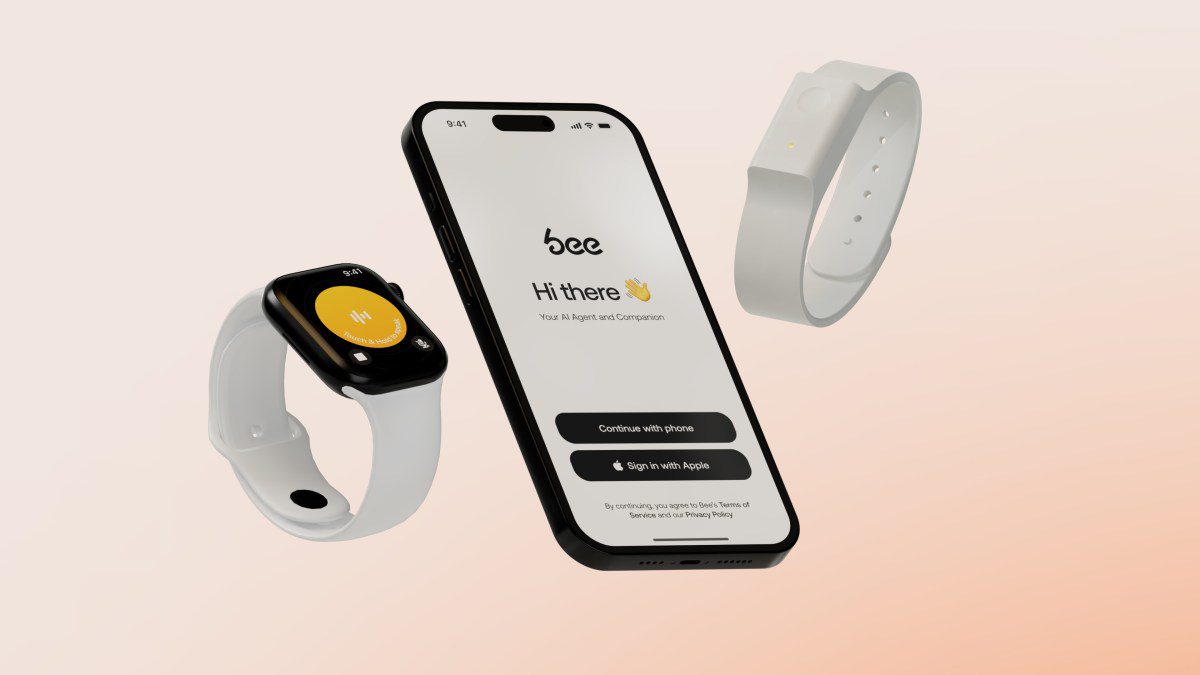
Bee, a versatile device worn as a clip-on pin or bracelet, excels at recording conversations like meetings and classes, and learns from user data including Gmail, Google Calendar, phone contacts, and Apple Health services to offer personalized assistance.
The acquisition foreshadows a future where Amazon’s AI presence becomes truly continuous, offering substantial opportunities for innovation and integration in the coming years.
Key Data
| Feature | Amazon’s Existing Wearable AI (Alexa-based) | Bee AI Wearable |
|---|---|---|
| Form Factor | Earbuds, Glasses | Clip-on Pin, Bracelet |
| Primary Use Case | General AI Assistant (home-focused) | Recording conversations & Personal AI Companion |
| AI Learning Source | Alexa’s existing model & general knowledge | Recordings + permitted services (Gmail, Calendar, Contacts, Health) |
| Market Performance | Has not taken off against strong competition | New acquisition, high future potential for continuous AI |
Detailed Analysis
The Consumer Electronics Show (CES) 2026 showcased a pervasive trend: the integration of AI into an ever-widening array of devices, from smart rings to smart pins. Amazon’s acquisition of Bee, an AI wearable, exemplifies this industry-wide push towards ambient intelligence, where AI seamlessly integrates into daily life. This strategic move follows Amazon’s long-standing commitment to AI, particularly with Alexa, whose upgraded Alexa+ version now runs on 97% of the hardware the company has shipped. However, Amazon recognized a gap in its wearable strategy, particularly for AI experiences that extend beyond the home, leading to the pivotal acquisition of Bee.
Bee distinguishes itself with a versatile form factor, wearable as a clip-on pin or a bracelet, making it inherently portable and adaptable for various out-of-home scenarios. Its core functionality revolves around intelligent recording of conversations—ideal for interviews, meetings, or educational classes—and transforming these into actionable insights. Beyond transcription, Bee acts as a personal AI companion, leveraging world knowledge and learning deeply about its user by integrating with permitted services like Gmail, Google Calendar, phone contacts, and Apple Health. This data allows Bee to build a comprehensive ‘graph of knowledge’ about the user, providing personalized suggestions, to-do items, and follow-ups. Early use cases highlight its value for students, the elderly, and professionals who require efficient summarization of verbal interactions without manual note-taking.
Amazon’s past ventures into AI wearables, such as Alexa-integrated earbuds and glasses, faced stiff competition from established players like Apple’s AirPods and Meta’s Ray Ban AI glasses, preventing them from gaining significant traction. Bee, however, offers a differentiated value proposition. As Bee co-founder Maria de Lourdes Zollo noted at CES, Bee is seen as a complementary ‘friend’ to Alexa, handling the ‘outside the house’ understanding while Alexa manages the ‘inside the house.’ This synergy suggests a future convergence, as Amazon Alexa VP Daniel Rausch confirmed, where the power of both AI experiences will combine to create more continuous and beneficial customer interactions. Bee already employs a combination of AI models and is exploring integrating Amazon’s AI, underscoring its adaptability, though it currently discards audio post-transcription, impacting certain work-related playback needs.
For tech enthusiasts, innovators, developers, and startup founders, Amazon’s integration of Bee into its ecosystem signals a critical evolution in personal AI. This move fosters a new frontier for developing continuous, context-aware applications that bridge home and mobile environments. Innovators should monitor Bee’s future feature roadmap, with more announcements teased for 2026, including voice notes, templates, and daily insights. Developers can anticipate opportunities to build services that leverage Bee’s unique data graph and its eventual integration with Alexa, creating more deeply personalized user experiences. Startup founders might observe how Amazon successfully integrates an eight-person San Francisco-based team and its technology, offering a blueprint for future AI-driven acquisitions. The primary metrics to watch are user adoption rates, new feature rollouts, and the concrete timeline for Bee’s complete technical merger with the broader Alexa ecosystem, marking a definitive step towards pervasive, intelligent assistance in India’s dynamic tech landscape.
About the Author