Knox Blasts Damon: Cancel Culture Jail Comments Ignite Hollywood Feud
🔑 KEY TAKEAWAYS
- ✓ Feud Reignited: Amanda Knox sharply criticized Matt Damon’s comments comparing cancel culture’s public scrutiny to jail time.
- ✓ Damon’s Stance: The actor suggested some would prefer 18 months in prison over unending public ‘excoriation’ from cancel culture.
- ✓ Knox’s Counter: Drawing on her four years of wrongful imprisonment, Knox highlighted the profound, lasting trauma and stigma of actual jail time.
- ✓ Broader Debate: This exchange fuels a significant Hollywood conversation on accountability, public judgment, and the ethics of discussing sensitive experiences.
- ✓ What to Watch: The ongoing dialogue underscores the importance of empathy and informed perspectives in celebrity commentary, resonating deeply with entertainment enthusiasts.
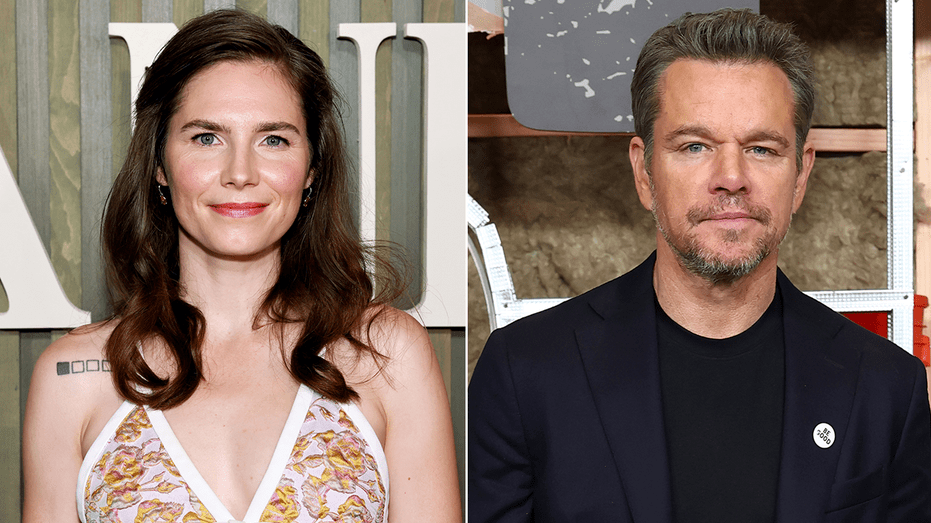
Amanda Knox has reignited her long-standing feud with Hollywood star Matt Damon, unleashing a fiery social media response to his recent comments on the pervasive topic of cancel culture. Damon, speaking on “The Joe Rogan Experience,” controversially suggested that for some public figures, the relentless ostracization of being canceled might be a worse fate than a finite jail sentence, sparking immediate and intense debate across entertainment circles.
This dramatic interaction fuels a critical discussion among entertainment enthusiasts and pop culture fans alike, questioning accountability, public perception, and the lasting impact of societal judgment versus judicial punishment. Knox’s unique and profound personal history with wrongful imprisonment lends an unparalleled weight and emotional depth to her critique, making this far more than just another celebrity spat.
During the January 16 podcast, Damon, 55, and co-star Ben Affleck, 53, explored the extremes of cancel culture. Knox, 38, swiftly called out Damon on X, amplifying the discussion. This public clash ensures the cancel culture debate remains at the forefront of Hollywood conversations.
Dive into the heated exchange, its profound implications for celebrity discourse, and why this conversation resonates so deeply across Hollywood, India, and beyond.
What Sparked the Latest Feud Between Amanda Knox and Matt Damon?
Matt Damon’s recent comments on “The Joe Rogan Experience” directly ignited the latest public disagreement between Amanda Knox and the Hollywood star. Damon suggested that the unending public scrutiny and ostracization associated with cancel culture could be a worse fate for some public figures than a finite jail sentence, prompting a swift and deeply personal response from Knox.
The feud’s roots extend to Damon’s 2021 film, “Stillwater,” which Knox previously criticized for profiting from her real-life wrongful conviction and imprisonment without her consent or consultation. This prior history adds significant emotional and ethical weight to her current challenge, framing the cancel culture debate with a poignant, personal dimension that transcends typical celebrity commentary.
Damon, alongside his “The Rip” co-star Ben Affleck, discussed the complexities of cancel culture, with Damon specifically stating, “I bet some of those people would have preferred to go to jail for 18 months or whatever and then come out and say, ‘No, but I paid my debt.'” This hypothetical comparison directly triggered Knox’s powerful rebuttal on social media, reigniting a high-profile Hollywood conflict.
Her pointed remarks on X, formerly Twitter, included, “Another thing Matt Damon could have run by me before putting out into the world,” highlighting her sense of personal violation and the perceived trivialization of her traumatic experiences. This specific challenge resonated widely, drawing in various public figures and commentators.
What Are the Core Arguments in the Cancel Culture Debate?
The core arguments in this renewed cancel culture debate center on the nature of punishment and its lasting impact in the digital age. Damon contends that public “excoriation” is an unending sentence, potentially worse than a finite period of incarceration. Knox, however, powerfully counters that actual imprisonment carries its own inescapable stigma and profound, lasting trauma, arguing that Damon’s comparison fundamentally dismisses the real suffering of the wrongfully convicted.
While the discussion lacks financial metrics, the stark contrast between Damon’s suggested “18 months” of hypothetical jail time and Knox’s actual four years of imprisonment in Italy is central. Her extensive advocacy work, including two memoirs, “Waiting to Be Heard” (2013) and the upcoming “Free: My Search for Meaning” (2025), alongside her “Hard Knox” podcast, consistently demonstrates her long-term engagement with themes of justice, media ethics, and personal trauma.
Knox’s role as an outspoken advocate for criminal justice reform and media ethics lends significant authority and unique experience to her perspective. She directly challenges the notion that one can simply “be done with it” after prison, emphasizing the persistent social and personal trauma that follows an individual even after release and acquittal. Her lived experience provides a critical counterpoint to abstract discussions.
This isn’t merely a feud between Damon and Knox; it’s a prominent chapter in a broader Hollywood conversation. Other celebrities like Julia Roberts, Sean Penn, and Woody Allen have also weighed in on cancel culture, highlighting a pervasive discussion within the entertainment industry about accountability, redemption, and the ever-present threat of public judgment in a hyper-connected world.
How Does Amanda Knox’s Experience Shape Her Response?
Amanda Knox’s unparalleled experience of being wrongfully convicted and enduring four years in an Italian prison profoundly shapes her powerful rebuttal to Matt Damon’s comments. Her firsthand understanding of incarceration’s severe, lasting stigma, trauma, and the impossibility of truly being “done with it” provides a compelling counter-narrative to Damon’s hypothetical comparison of public ostracization versus jail time.
For entertainment enthusiasts and pop culture fans, Knox’s response adds a crucial, lived perspective to the often-abstract “cancel culture” debate. It compels a deeper, more empathetic consideration of the real-world consequences of both public shaming and, more significantly, the failures and profound impacts of the criminal justice system on individuals. Her voice brings an undeniable authenticity to the discussion.
This high-profile interaction elevates the conversation beyond typical celebrity gossip, underscoring the ethical responsibilities of public figures when discussing highly sensitive topics like imprisonment, trauma, and justice. It also powerfully highlights the transformative role of social media platforms, allowing individuals like Knox to directly challenge and correct dominant narratives perpetuated by powerful Hollywood voices.
In this dynamic, Knox emerges as a formidable voice for the wrongfully convicted and a champion for media ethics, directly challenging a mainstream Hollywood perspective that some might view as out of touch. Damon, in turn, faces increased scrutiny for potentially trivializing serious legal consequences, while his co-star Ben Affleck’s participation in the podcast also becomes part of this broader, evolving public discourse on celebrity accountability.
What Are the Broader Implications for Celebrity Discourse and Accountability?
This renewed feud between Amanda Knox and Matt Damon highlights the increasing scrutiny celebrities face when engaging with complex social issues, particularly “cancel culture.” It underscores the critical need for empathy, informed perspectives, and careful language, especially when drawing comparisons that touch upon severe personal experiences like wrongful imprisonment, impacting public discourse around accountability and justice.
Key catalysts to watch include future discussions on platforms like “The Joe Rogan Experience” or other high-profile podcasts where celebrities weigh in on cancel culture, potentially prompting further public responses. The ongoing advocacy work of Amanda Knox, coupled with the anticipated release of her second memoir, “Free: My Search for Meaning,” in 2025, will undoubtedly keep this nuanced debate relevant and in the public eye, shaping future dialogues.
Potential scenarios could see more public figures with direct, lived experiences similar to Knox’s stepping forward, which could fundamentally shift the narrative around cancel culture from an abstract debate among the privileged to one grounded in tangible human consequences. Conversely, if celebrity comments continue to be perceived as insensitive or out of touch, it could further alienate audiences and undermine their credibility on social issues.
For entertainment enthusiasts, the actionable insight is to critically evaluate celebrity opinions on complex social issues. Recognizing that personal experiences, like Knox’s, often provide invaluable context is crucial. Engaging with diverse perspectives enriches understanding of these significant societal debates, fostering a more informed and empathetic pop culture landscape. This ongoing dialogue emphasizes the power of individual voices to shape broader conversations.
❓ Frequently Asked Questions
What did Matt Damon say about cancel culture?
Matt Damon suggested during an interview on “The Joe Rogan Experience” that for some public figures, the perpetual public ostracization and scrutiny of cancel culture might be worse than serving a finite jail sentence. He hypothesized that some might prefer 18 months in prison to the unending public excoriation that follows being canceled, sparking widespread debate.
Why did Amanda Knox respond to Matt Damon?
Amanda Knox responded because Damon’s comments trivialized her personal experience of wrongful conviction and imprisonment. Having spent four years in an Italian prison, Knox argued that jail time comes with its own profound, lasting stigma and trauma that cannot simply be “paid off,” directly challenging Damon’s hypothetical comparison from a place of lived experience.
What is Amanda Knox’s background with imprisonment?
Amanda Knox was wrongfully convicted and imprisoned for four years in Italy in connection with the 2007 murder of her roommate, Meredith Kercher. She and her ex-boyfriend were twice convicted and later definitively acquitted. Since her release in 2011, Knox has become a prominent advocate for criminal justice reform and media ethics, drawing on her traumatic personal experiences.
How has cancel culture impacted other celebrities?
Cancel culture has significantly impacted numerous celebrities, leading to job losses, public apologies, and lasting damage to reputations. High-profile figures like Julia Roberts, Sean Penn, and Woody Allen have also weighed in on the phenomenon, reflecting a broad spectrum of views within Hollywood on issues of accountability, forgiveness, and the appropriate response to public outcry over past actions or statements.
📚 Related Topics on Stock99.in
Explore more entertainment updates:
- Hollywood Stars and Social Media Debates
- The Evolving Landscape of Cancel Culture
- Films Inspired by True Crime Stories
- Celebrity Advocacy for Criminal Justice Reform
- Joe Rogan Experience: Most Controversial Episodes
About the Author