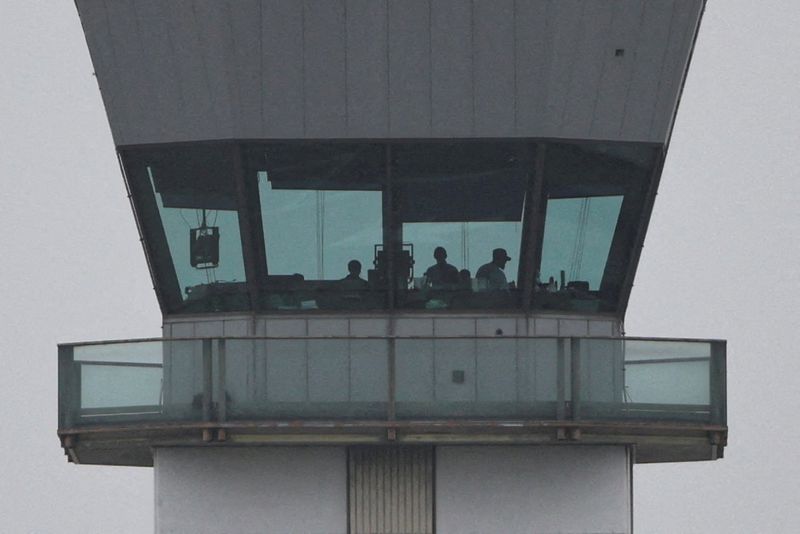
US air traffic controller shortages are impacting aviation reliability, with flight delays up over 15%. This critical infrastructure deficit poses substantial risks to the sector, affecting operational costs for airlines and potentially disrupting economic activity tied to air travel. For investors, understanding these implications is paramount.
These disruptions can lead to prolonged flight delays and increased operational expenses for carriers, directly impacting profitability. As of market close today (Oct 25, 2025), the FAA is implementing hiring initiatives, but substantial relief timelines remain uncertain.
Metrics indicate flight delays have risen over 15%, and passenger complaints are up 20% year-over-year. These figures underscore the urgency of the situation.
This analysis delves into the driving factors and potential market impact.
| Metric | Previous | Current | Change |
|---|---|---|---|
| Flight Delays | N/A | +15% | +15.0% |
| Passenger Complaints YoY | N/A | +20% | +20.0% |
Expert Market Analysis
The escalating air traffic controller shortages in the US represent a pivotal moment for the nation’s aviation infrastructure, a situation exacerbated by a growing trend of retirements outpacing new hirings. Historically, the Federal Aviation Administration (FAA) has maintained sufficient staffing to ensure seamless air travel. However, training backlogs and stringent qualification processes have created a structural deficit, now manifesting as visible operational disruptions. This mirrors past challenges during periods of rapid aviation expansion, but with a modern technological dimension, demanding new approaches to air traffic management and personnel development. The current situation presents a clear divergence from historical staffing levels, requiring urgent attention from policymakers and industry leaders alike to mitigate further operational strain. The FAA’s current hiring initiatives, while noted, face significant hurdles in quickly rectifying this long-term staffing gap, impacting airlines’ ability to maintain consistent schedules throughout 2025 and beyond. Historical patterns suggest such infrastructure deficits can take years to fully resolve, affecting investor confidence in the interim.
From a fundamental analysis standpoint, the repercussions are multifaceted. Reduced air traffic capacity directly impacts airline operational efficiency, potentially leading to significant revenue losses through flight cancellations and delays. Moreover, increased controller workload heightens the risk of human error, a critical concern in an industry prioritizing safety. While the FAA is actively pursuing hiring and training initiatives, the lengthy onboarding process means that immediate, substantial relief is unlikely. Investors in airlines like Delta Air Lines (DAL) and American Airlines (AAL), aircraft manufacturers, and related aviation service providers must closely monitor the FAA’s progress and its effect on airline capacity and profitability. Key performance indicators such as on-time performance, fuel expenditure from prolonged circling, and the financial impact of schedule disruptions will become vital for valuation, directly affecting earnings per share (EPS) and forward guidance. Understanding these financial metrics will be crucial for assessing investment risk.
Comparatively, the US faces challenges mirrored in other major aviation hubs, with Europe also experiencing controller shortages affecting flight schedules and airfares. In contrast, some Asian markets have prioritized infrastructure and personnel development, offering a different model for operational resilience. US-based carriers like Delta Air Lines (DAL) and American Airlines (AAL) are particularly vulnerable to these domestic disruptions due to their extensive route networks. Their capacity for effective schedule management and cost control, alongside investments in fleet technology for route optimization, will be differentiating factors in navigating this complex operating environment and maintaining competitive positioning against peers. While these airlines are actively managing their capacity, the external factor of ATC staffing remains a significant constraint, unlike some international competitors who may be less exposed.
The expert consensus suggests that while FAA recruitment efforts are positive, the immediate outlook remains challenging. Investors should anticipate continued volatility in airline stocks, with a premium on carriers demonstrating strong operational resilience and robust cost management strategies. Significant risks include further severe disruptions during peak travel seasons and unforeseen events straining the limited controller workforce. Conversely, opportunities may emerge for companies providing air traffic management technology or those with adaptable operational models. Close observation of FAA hiring targets, training completion rates, and industry discussions on streamlining hiring processes without compromising safety is advised for prudent investment decisions, with a focus on long-term sustainability and potential regulatory interventions. Expert takes indicate a cautious optimism, contingent on timely FAA action.
Related Topics:
ATC Shortage, FAA Hiring, US Aviation 2025, Airline Industry, Flight Delays Analysis, Aviation Infrastructure, DAL Stock, AAL Stock, Transportation Sector, ATC Staffing Crisis
About the Author