Key Takeaways
Explore 6 scary AI predictions for 2026, from data center disinformation to robot integration. Discover implications for tech enthusiasts, developers, and startups in India.
Market Introduction
As the AI race intensifies, the tech world braces for a transformative 2026, marked by both groundbreaking innovation and potential societal upheaval. The strategic pivots by giants like OpenAI, redirecting its focus to compete with Google, underscore the high stakes and rapid shifts defining the Artificial Intelligence landscape.
This aggressive pursuit of AI dominance is not without its future implications, particularly for tech enthusiasts, innovators, early adopters, developers, and startup founders in India. The coming year promises significant advancements in robotics and presents new challenges in the realm of information integrity, demanding vigilance and proactive development.
Expert speculation, informed by industry insights, points to a surge in AI-powered robot demonstrations and a concerning rise in AI-fueled data center disinformation, impacting everything from infrastructure development to national security ambitions.
Understanding these potential shifts is crucial for navigating the evolving technological frontier, identifying emerging opportunities, and mitigating risks within the dynamic Indian tech ecosystem.
In-Depth Analysis
The fierce rivalry between AI powerhouses sets the stage for 2026, echoing past industry-defining moments. Just as Google faced a ‘code red’ in 2023 to catch up with OpenAI, leading to unprecedented layoffs, OpenAI now finds itself in a similar position, refocusing its teams to maintain its competitive edge. This relentless pursuit of innovation and market leadership fuels both rapid technological progress and, potentially, significant shifts in workforce and strategic direction. The cyclical nature of leadership in cutting-edge technology highlights a volatile environment where adaptation is paramount, directly influencing the trajectory of AI adoption and development across the globe, including India’s burgeoning tech sector.
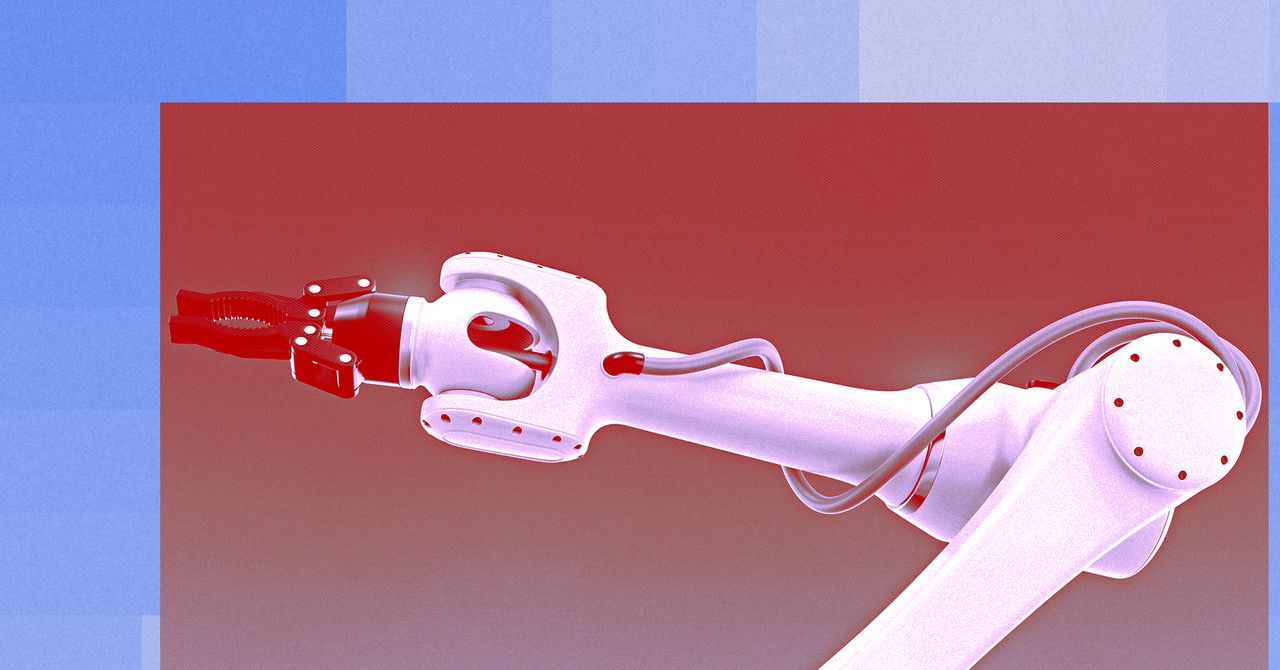
Two critical predictions stand out for 2026, demanding close attention from the global tech community. First, the escalating issue of Data Center Disinformation poses a growing threat. Communities worldwide are increasingly organizing against data center construction, utilizing social media platforms like Facebook Groups to voice concerns. While current anti-data-center pages appear to be controlled by real US citizens, as noted by RAND researcher Austin Wang, the potential for foreign adversaries like China and Russia to exploit these grassroots movements with AI-generated images and videos is a serious concern. Such tactics could deliberately slow US data center development, thereby bolstering China and Russia’s strategic ambitions to surpass the US in industrial and military AI capabilities. The ease with which AI can now generate persuasive, realistic content intensifies this geopolitical risk. Second, 2026 is anticipated to be the year of widespread Robot Demos Everywhere. Tech conferences, from CES to Amazon’s hardware events, are expected to feature a new generation of AI-powered robots. Unlike previous iterations that required extensive, repeated training, these new robots integrate large language models (LLMs)—the same AI models powering services like ChatGPT and Gemini. This integration promises robots capable of handling complex household tasks, such as folding clothes, with unprecedented accuracy and requiring significantly less training. Google has already showcased a robot sorting waste based on voice commands, and future demonstrations are expected to highlight robots performing novel tasks, like operating unfamiliar ovens or retrieving specific items from cluttered environments, leveraging LLMs’ ability to understand manuals, videos, and drawings, as underscored by Barak Turovsky, former chief AI officer at General Motors and a Google AI division leader.
The threat of AI-driven disinformation targeting data center development in India and beyond represents a sophisticated evolution of cyber warfare. Unlike traditional propaganda, AI can generate highly contextualized, hyper-realistic content at scale, making it exceptionally difficult to distinguish authentic local sentiment from state-sponsored manipulation. This dynamic could significantly impede essential infrastructure projects critical for India’s own AI and digital economy growth, creating a strategic disadvantage against nations actively pursuing industrial and military AI superiority. On the robotics front, the integration of LLMs marks a paradigm shift from conventional, task-specific robotics. Previously, robots were often programmed for singular functions or required meticulous, repetitive training for each new task. The current wave, however, promises more adaptable and intelligent machines that can learn from diverse data sources—text, images, video—and apply that knowledge to novel physical interactions. This leap in cognitive capability moves robotics closer to general-purpose assistance, contrasting sharply with prior, more limited deployments in manufacturing or highly controlled environments.
For Tech Enthusiasts and Early Adopters in India, 2026 signifies an exciting era of personal and industrial robotics, but also a call for heightened digital literacy to navigate increasingly sophisticated AI-generated content. Innovators and Developers should recognize the vast opportunities in creating robust AI models that not only power these intelligent robots but also develop advanced solutions for detecting and combating AI-driven disinformation. This includes ethical AI frameworks, content verification tools, and secure digital communication platforms. Startup Founders, particularly in India, can find fertile ground in specialized robotics for diverse sectors—from home automation to logistics—and in cybersecurity ventures focused on protecting critical infrastructure from AI-enhanced information warfare. Monitoring the balance between rapid AI innovation and the strategic need for secure, reliable digital infrastructure, alongside global competitive dynamics in AI capabilities, will be crucial for navigating this dual landscape of opportunity and risk.
About the Author