Key Takeaways
Analyze the investment potential of African football assets. Senegal vs Egypt semi-final impacts team valuations & player market value in AFCON 2026.
Overview
The upcoming Africa Cup of Nations 2026 semi-final between Senegal and Egypt presents a unique lens through which to examine emerging market sports assets. For Retail Investors, Swing Traders, Long-term Investors, and Finance Professionals, understanding the drivers behind national team performance can offer insights into intangible asset valuation and event-driven market dynamics.
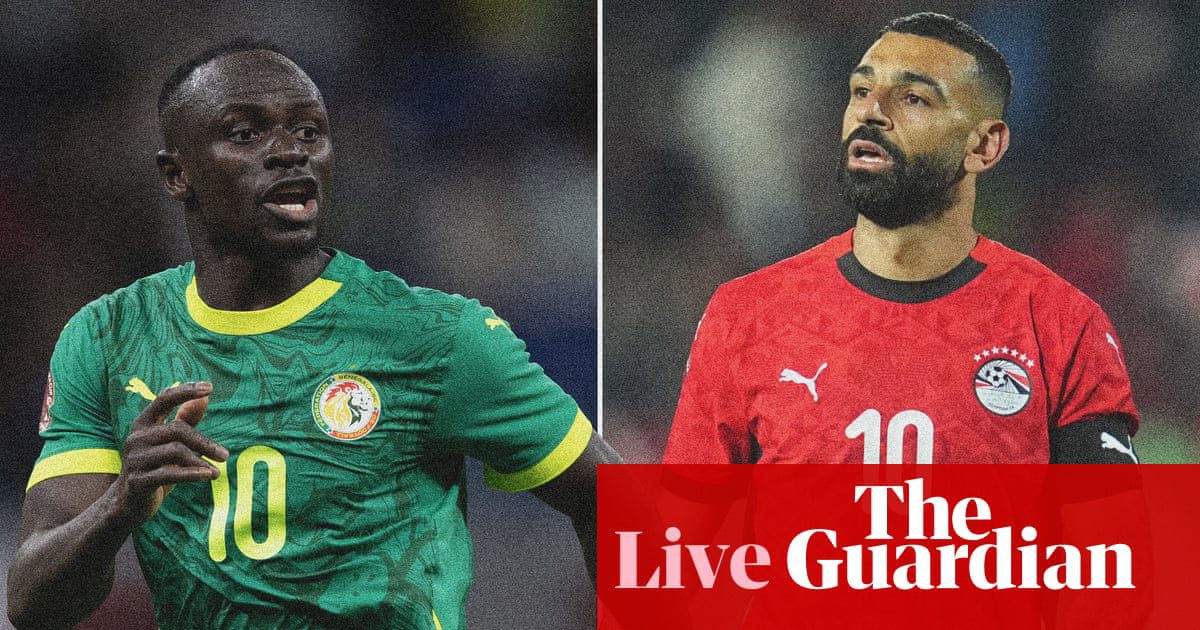
This high-stakes fixture transcends mere sport, becoming a critical event for the revaluation of key footballing talents and national brand equity. Senegal, the reigning 2022 champions, face seven-time title holders Egypt, creating a compelling narrative of recent outperformance against historical market dominance.
Key performance indicators include Senegal’s 2nd African ranking, their 2022 AFCON final victory over Egypt, and their subsequent World Cup Qualifier win against the same opponent. Egypt, meanwhile, seeks an eighth continental title after final losses in 2017 and 2022, highlighting a desire for renewed asset appreciation.
This analysis will delve into the strategic deployment of talent, historical performance metrics, and the potential implications for stakeholders within the rapidly expanding African Football Investment landscape.
Key Data
| Metric | Senegal (Team Asset) | Egypt (Team Asset) |
|---|---|---|
| Continental Titles | 1 (2022) | 7 |
| African Ranking (Current) | 2nd | Not Specified (Historically High) |
| AFCON 2022 Final Outcome | Win (on penalties) | Loss (on penalties) |
| WC Qualifier 2022 Playoff Outcome | Win (on penalties) | Loss (on penalties) |
| Key Talent Age (Mane/Salah) | 33 | 33 |
Detailed Analysis
The burgeoning interest in African football underscores a broader trend in the global sports industry: the increasing recognition of sports entities as valuable intangible assets. National football teams, much like corporate entities, build brand equity, attract investment through sponsorship, and see their ‘market capitalization’ fluctuate based on performance in high-profile events. The Africa Cup of Nations, as the continent’s premier tournament, acts as a significant liquidity event, often leading to rapid revaluations of player talent and team prestige. Historically, success in such tournaments has paved the way for increased commercial opportunities and enhanced international profiles for participating nations and their star players, mirroring how strong earnings reports or strategic acquisitions can boost a company’s stock.
Senegal’s journey to the semi-finals demonstrates robust operational performance and strategic depth. As the 2022 champions and currently ranked second in Africa, they exhibit characteristics of a ‘growth stock’ with strong recent momentum. Their path included topping their group, followed by a decisive 3-1 win against Sudan and a disciplined 1-0 victory over a 10-man Mali. This consistency highlights a well-managed team asset, featuring diverse talent with players like Iliman Ndiaye, Nicolas Jackson, and Sadio Mané contributing significantly to their attacking efficiency. The tactical flexibility implied by Jackson replacing Diallo in the starting XI suggests adaptable asset deployment. Egypt, conversely, represents a ‘legacy asset’ with immense historical value, boasting seven continental titles. Their unchanged XI from the quarter-final win indicates a reliance on a proven core strategy, centered around key talent such as Mohamed Salah and Marmoush, seeking to leverage established strengths for an eighth title.
Comparing Senegal and Egypt from an investment perspective reveals contrasting profiles. Senegal, with their recent back-to-back victories over Egypt in the 2022 AFCON final and World Cup qualifiers, resembles a company demonstrating superior recent competitive advantage and market share gains against a direct rival. Their performance suggests a strong ‘management team’ and a cohesive ‘product offering.’ Egypt, despite its rich history and status as a ‘blue-chip’ continental asset, has faced challenges in converting historical dominance into recent victories against Senegal, particularly in high-stakes encounters. This rivalry, epitomized by Sadio Mane and Mohamed Salah, can be viewed as a ‘clash of key value drivers.’ Both players, at 33, represent mature ‘premium assets,’ with their performance in this semi-final capable of significantly influencing short-term market sentiment around their respective national teams. The match offers a granular look at how individual asset performance can drive overall team valuation.
For Retail Investors, Swing Traders, Long-term Investors, and Finance Professionals, this semi-final offers several insights. Swing traders might focus on event-driven volatility, assessing potential immediate shifts in national team brand value or player market perception following the match outcome. Long-term investors could evaluate the broader trajectory of African football as an emerging sports market, considering the potential for sustained growth in sponsorship and media rights. Risk assessment involves considering player form, team cohesion, and historical head-to-head performance as indicators of future returns. Key metrics to monitor post-match include tournament progression, individual player performance statistics, and subsequent media coverage impact, which can act as proxies for market sentiment and future capital appreciation in this unique ‘sports asset class.’ This match is not just a game; it’s a significant indicator of strategic strength within African football.
About the Author