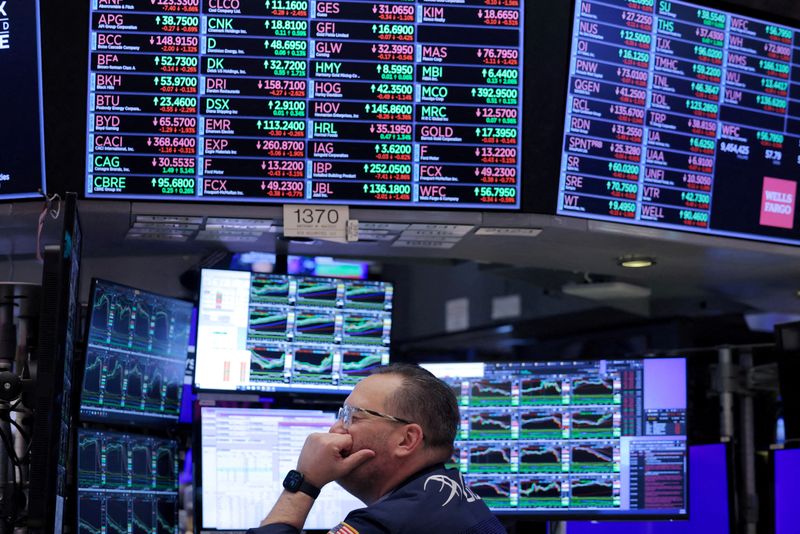
Wall Street experienced a significant pullback in 2025, amplifying fears of a potential tech bubble. This sentiment shift has impacted key indices like the S&P 500 and Nasdaq Composite, signaling a notable change in investor confidence. This downturn could lead to a rotation away from high-growth technology stocks and affect the broader US equity market.
This cautious outlook, driven by bank CEO warnings, suggests a potential recalibration for the tech sector. Investors are closely monitoring key metrics for signs of a sustained downturn.
As of market close October 25, 2025, major indices show a dip, increased volatility, and declining tech valuations, with analyst sentiment leaning towards caution.
This analysis delves into the implications of these warnings.
Expert Market Analysis
The recent significant pullback on Wall Street, heavily influenced by cautionary statements from prominent bank CEOs regarding a potential market downturn in 2025, has intensified concerns about the formation of a tech bubble. Historical patterns suggest that such pronouncements often precede periods of increased market choppiness and strategic recalibration. Indices such as the S&P 500 and Nasdaq Composite have registered declines, reflecting a broader, prevailing investor sentiment shift. This situation bears resemblance to past instances where overvaluation fears within specific sectors, particularly technology, precipitated significant market corrections. These corrections were frequently triggered by shifts in monetary policy expectations or heightened geopolitical risks. The current economic climate, characterized by elevated interest rates and persistent inflation concerns, provides fertile ground for such anxieties to take root, demonstrably impacting the behavior of both institutional and retail investors, a trend that market analysts are diligently tracking for the remainder of 2025.
From a fundamental perspective, these warnings suggest that the underlying economic conditions may not adequately support current market valuations, especially within the technology sector, which has experienced substantial revenue growth in recent years. While the ongoing digital transformation continues to fuel revenue growth for numerous companies, analysts are now intensely scrutinizing profit margins and the sustainability of earnings. Metrics such as Price-to-Earnings (P/E) ratios in many technology stocks are approaching or have already surpassed historical averages, prompting critical questions about their long-term viability and future prospects. Concurrently, technical analysis indicators are also signaling a cautious outlook, with some key market indices nearing significant resistance levels. The stance of the Federal Reserve concerning interest rates remains a critical factor, as higher interest rates can substantially impact the valuation of growth stocks by increasing the discount rate applied to future earnings, a point frequently highlighted in recent analyst reports concerning various stocks.
When comparing the current technology landscape to its industry peers, the sector appears to be encountering unique headwinds. While other sectors might exhibit closer ties to cyclical economic performance or commodity prices, the growth of the technology sector has primarily been propelled by relentless innovation and the increasing digitalization across diverse industries. However, the prospect of a potential tech bubble implies that the pace of innovation or its monetization may be outpacing sustainable economic growth. Within the tech space itself, competitors are increasingly shifting their focus from sheer revenue expansion towards enhanced profitability and operational efficiency. Furthermore, regulatory scrutiny looms large, particularly for the larger technology firms, which could further dampen investor sentiment and potentially impact market share, a factor that could influence upcoming earnings reports in Q4 2025.
The expert consensus underscores a need for investor caution, even as the fundamental secular trend of digitalization remains robust. Market analysts generally anticipate a potential period of market consolidation or a shallow correction rather than an outright crash, contingent upon the absence of significant, unforeseen economic shocks. Retail investors are strongly advised to re-evaluate their portfolios, potentially de-risking by reducing exposure to highly speculative technology stocks and increasing their positions in value-oriented or dividend-paying companies. Key events to monitor closely include upcoming earnings reports from major corporations, the release of inflation data, and any further commentary from central bank officials. Opportunities may emerge within well-managed companies possessing strong balance sheets and clear, actionable paths to profitability, even within the technology sector, offering potential avenues for strategic 2025 portfolio adjustments.
Related Topics:
Tech Bubble Fears 2025, Wall Street Analysis, Stock Market Pullback, US Equity Market, Nasdaq Composite, S&P 500, Investor Outlook 2025, Technology Stocks Analysis, Bank CEO Warnings
About the Author