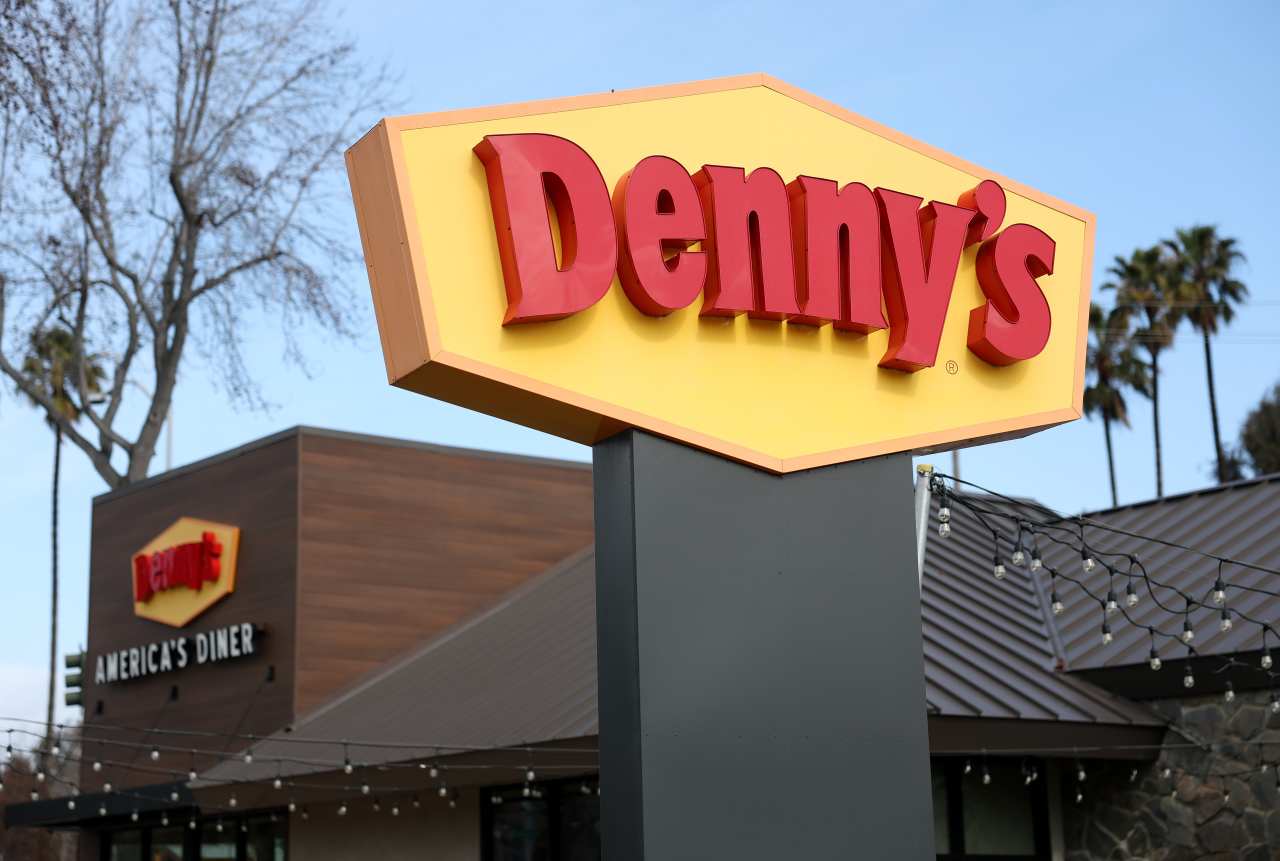
Denny’s stock has surged 50% on news of a $620 million buyout, signaling strong investor confidence. This significant rise marks a pivotal moment for the iconic diner chain as it prepares to transition from public markets. As of market close on Oct 25, 2025, the market is reacting positively to this development, crucial for investors tracking the casual dining sector.
This move to go private highlights robust market interest in the company’s assets and future potential. Privatization offers companies flexibility for long-term strategies without immediate pressures of quarterly earnings and public market volatility.
The market’s enthusiastic response suggests attractive acquisition terms, with the buyout price around 2.1 times Denny’s trailing twelve-month revenue. Analysts will scrutinize financing and potential synergies.
We now delve into expert analysis of this acquisition, examining its implications for shareholders and the broader industry.
Expert Market Analysis
The recent agreement for Denny’s (DENN) to be acquired in a $620 million deal marks a significant turning point for the venerable American restaurant chain. With its stock price surging approximately 50% on the news, the market is clearly reacting positively to the proposed transaction. This move to go private, driven by a strategic decision and engagement with over 40 potential buyers, underscores a robust market interest in the company’s assets and future potential. Historically, privatization can offer companies the flexibility to implement long-term strategies without the immediate pressures of quarterly earnings expectations and public market volatility, a scenario that might be particularly beneficial for a brand like Denny’s aiming for operational refinement and expansion. This aligns with broader market trends where underperforming public entities seek private capital for restructuring and revitalizing operations, a strategy often employed by private equity firms looking to unlock value. Similar privatization efforts in the restaurant sector have historically seen positive adjustments as companies focus on core operations away from public scrutiny.
From a fundamental perspective, the buyout price of $620 million is approximately 2.1 times Denny’s trailing twelve-month revenue. While specific EBITDA multiples and P/E ratios from the deal are not yet public, the market’s enthusiastic response suggests that the acquisition terms are attractive to shareholders. Analysts will be scrutinizing the debt financing structure and any potential for operational synergies that the new ownership aims to achieve. The company’s ability to generate consistent revenue streams and manage its franchise operations effectively has been a key strength. Future analysis will focus on how the new private equity owners plan to leverage Denny’s established brand presence and extensive footprint to drive profitability and market share gains, potentially through menu innovation, technology adoption, or real estate optimization, as is common in such buyouts. Key financial indicators like same-store sales growth and operating expense management will be crucial to monitor.
Denny’s operates in a highly competitive casual dining sector, facing pressure from quick-service restaurants, fast-casual chains, and other established diners. Competitors like IHOP (part of Dine Brands Global) and Cracker Barrel Old Country Store (CBRL) often face similar market dynamics related to consumer spending habits, labor costs, and menu diversification. The decision for Denny’s to accept a private buyout may also be influenced by the sector’s overall performance, including recent trends in same-store sales growth and the impact of inflation on operating expenses. The success of this acquisition will depend on the new owners’ ability to navigate these industry challenges and capitalize on Denny’s unique market position, especially as the casual dining segment continues to evolve rapidly. Understanding the competitive landscape is vital for assessing long-term viability.
The prevailing sentiment among retail investors appears to be one of optimism, driven by the substantial premium offered in the buyout. However, as with any acquisition, potential risks include the possibility of integration challenges, changes in management philosophy, or unforeseen economic headwinds that could impact the brand’s performance under new ownership. Institutional investors will likely monitor the regulatory approvals and closing conditions of the deal closely. Key events to watch include the official announcement of the acquiring entity and their detailed strategic plans, which will shape the future outlook for Denny’s and its impact on the broader dining landscape. Investors should consider both the upside potential and downside risks before making any decisions, particularly regarding the integration of the brand into a new operational structure.
Related Topics:
DENN stock, Denny’s stock analysis, Restaurant stocks, Buyout deal, Mergers and acquisitions, Casual dining sector, US stock market, Privatization, Stock performance 2025
About the Author