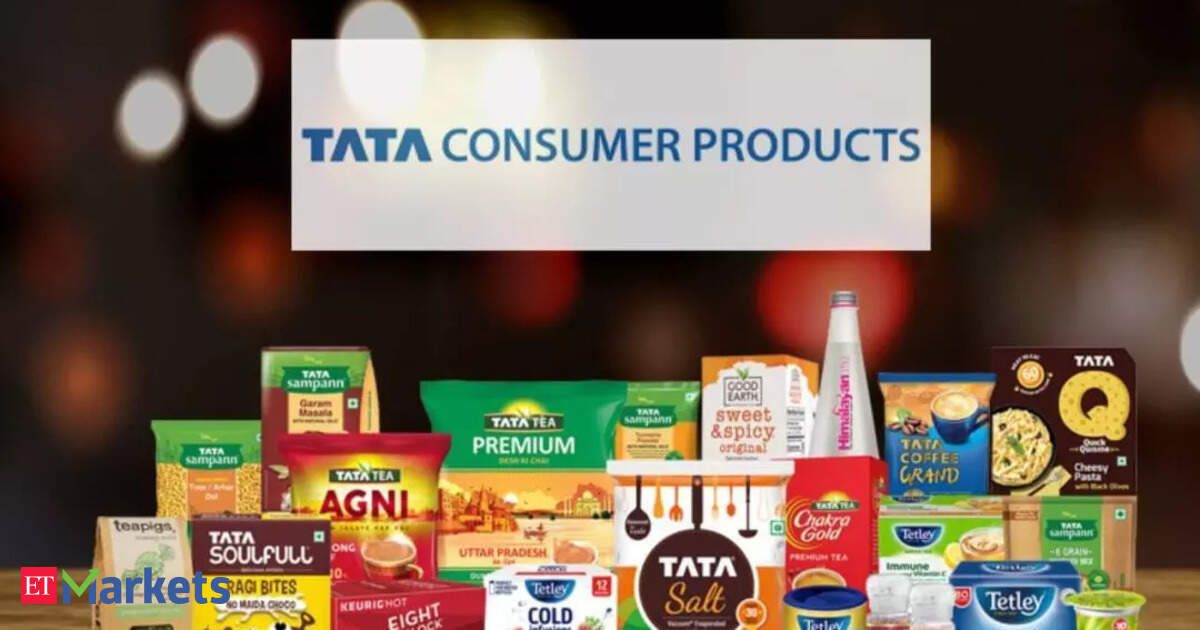
Tata Consumer Products reported an 18% YoY revenue surge to Rs 3,595 crore for Q2 FY25, navigating a challenging GST rate cut transition. This demonstrates the company’s resilience amid regulatory headwinds, a crucial factor for investors assessing its performance.
This situation highlights the company’s ability to manage regulatory shifts while maintaining strong underlying business growth, a key indicator for market analysts watching acquired brands.
Key metrics reveal a 28% jump in net profit to ₹285 crore, with management guiding towards normalized performance by Q3.
We delve into the specifics of this GST impact and the broader financial outlook.
| Metric | Previous | Current | Change |
|---|---|---|---|
| Revenue from Operations | ₹3,046.61 crore | ₹3,595 crore | +18% |
| Standalone Net Profit | ₹222.66 crore | ₹285 crore | +28% |
| Capital Foods Sales (Q2 FY24) | ₹206 crore | ₹223 crore | +8.25% |
| Organic India Sales (Q2 FY24) | ₹102 crore | ₹133 crore | +30.4% |
Expert Market Analysis
Tata Consumer Products’ Q2 FY25 earnings report reveals a strong 18% YoY revenue surge to ₹3,595 crore and a 28% net profit increase to ₹285 crore. This performance, however, was nuanced by a temporary sales disruption stemming from the Goods and Services Tax (GST) rate cut transition, particularly impacting its acquired brands, Capital Foods and Organic India. Historically, the Indian Fast-Moving Consumer Goods (FMCG) sector, including giants like Hindustan Unilever and ITC, has shown remarkable resilience to regulatory shifts by leveraging diversified portfolios and robust distribution networks. This recent experience for Tata Consumer underscores the inherent complexities of integrating new entities during dynamic regulatory periods, a common challenge for conglomerates pursuing growth through mergers and acquisitions. Despite these headwinds, the company’s core India business, encompassing tea and salt, sustained its strong double-digit growth for a second consecutive quarter, showcasing underlying strength, while its ready-to-drink portfolio also performed consistently, driven by impulse buying trends.
Delving deeper into the fundamental analysis, management guidance suggests Q2 FY25 was a transitional phase, with expectations of normalized performance by Q3, contingent on stable tea prices and vigilant monitoring of coffee price volatility. While specific EBITDA margin details are not explicitly disclosed, the substantial profit growth implies effective cost management strategies across various business segments, which successfully compensated for any potential short-term margin pressures from the GST transition. The company’s strategic initiatives focused on enhancing digital transformation and optimizing supply chain efficiencies are anticipated to be pivotal in sustaining its growth trajectory in the upcoming quarters. Investors are advised to closely monitor key performance indicators (KPIs) such as revenue growth from acquired brands and any prospective impact on operating margins, recognizing that the resilience demonstrated in core segments amid external challenges offers a positive outlook for future performance.
In the highly competitive FMCG landscape, Tata Consumer Products faces formidable rivals including Nestlé India, Britannia Industries, and Dabur India. While these competitors may not have encountered the identical impact from this specific GST transition due to differences in their product portfolios or acquisition timelines, they all operate within the broader sector dynamics, characterized by evolving consumer preferences and intense price competition. The successful integration of acquisitions remains a critical differentiator in this market; companies that adeptly manage these integrations, as exemplified by the improved performance of Starbucks in India under Tata Consumer’s stewardship, are better positioned to capture market share and achieve synergistic growth, thereby strengthening their competitive advantage. This peer comparison highlights the paramount importance of strategic execution and operational efficiency in maintaining market leadership.
From an investor’s perspective, the Q2 FY25 performance offers a cautiously optimistic outlook. The short-term sales impact on Capital Foods and Organic India presents a key risk requiring close monitoring of their recovery in Q3 and Q4. However, the inherent strength of the core Indian business, coupled with a respectable 9% year-on-year growth in constant currency for international operations, provides a solid foundation for future expansion. Significant opportunities lie in further developing the ready-to-drink beverage portfolio and unlocking greater synergies from recent acquisitions. Investors should closely follow future management commentary regarding the resolution of the GST impact and the company’s strategies for navigating raw material price fluctuations, particularly in the coffee segment. Ultimately, a balanced assessment of the short-term disruption against Tata Consumer’s diversified product portfolio’s long-term growth potential is crucial for informed investment decisions, considering potential entry points around any temporary price weakness.
Related Topics:
Tata Consumer Products, TATACONSUM, FMCG Stocks India, GST Rate Cut Impact, Q2 Earnings FY25, Indian Consumer Goods, Capital Foods Sales, Organic India Revenue, Indian Stock Market News, Tata Consumer Analysis
About the Author