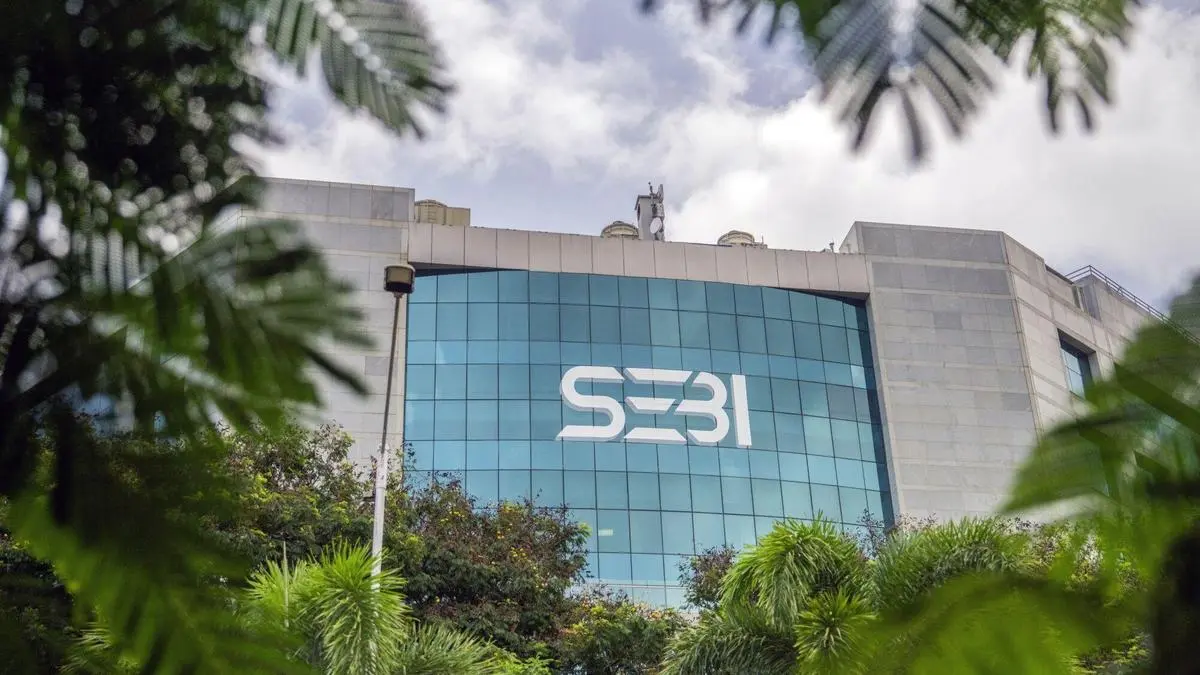
SEBI’s new eligibility framework for derivatives on non-benchmark indices is set to reshape the Nifty Bank index, impacting ETFs and trading. This move aims to reduce concentration risks prevalent in indices like the Bank Nifty. As of market close today (November 3, 2025), this regulatory shift signals a new era for Indian derivatives markets.
This strategic realignment by the Securities and Exchange Board of India is crucial for fostering a more diversified and resilient derivatives market, benefiting investors and traders.
The new rules mandate indices to have at least 14 stocks, with strict weight caps. Exchanges will rebalance the Bank Nifty by March 2026.
We delve into the expected impacts.
Expert Market Analysis
The Securities and Exchange Board of India’s (SEBI) recent pronouncements on derivative eligibility criteria mark a pivotal moment for India’s financial landscape, particularly impacting benchmark indices such as the Nifty Bank. Historically, the Nifty Bank has been characterized by a high concentration of a few large private sector lenders, creating potential systemic risks and limiting diversification opportunities. SEBI’s new framework, mandating a minimum of 14 constituent stocks and imposing stricter weightage caps—20% for the largest stock and 45% for the top three—aims to rectify this imbalance. This regulatory intervention is not unprecedented; SEBI has consistently worked towards enhancing market integrity and investor protection through phased reforms. The move reflects a broader global trend towards de-risking and diversifying financial instruments, ensuring greater stability and reducing the impact of single-stock volatility on the broader index performance. The market close on November 3, 2025, represents a key date preceding these significant changes, setting the stage for a more robust derivatives market structure.
From a fundamental analysis perspective, the immediate consequence of these SEBI norms is a forced rebalancing of the Bank Nifty index. The current composition likely falls short of the new eligibility criteria, necessitating adjustments over the next 18 months, culminating in March 2026. This gradual approach is designed to mitigate sudden market shocks and ensure a smooth transition. Market participants will need to recalibrate their strategies, considering the altered weightages and the potential implications for hedging costs. The reduction in concentration risk is a key objective, aiming to make derivatives markets more representative of the banking sector’s true breadth, rather than being dominated by a handful of giants. This could lead to improved price discovery and a more robust trading environment in the long run, albeit with potential short-term liquidity fluctuations as market makers adapt.
The ripple effect of SEBI’s directive extends significantly to Exchange Traded Funds (ETFs) and index-tracking mutual funds. These passive investment vehicles, which aim to mirror the performance of their underlying indices, will be compelled to adjust their holdings to align with the rebalanced Bank Nifty. Fund managers will face the task of rebalancing their portfolios, which could temporarily increase tracking errors and execution costs. Peer comparison within the banking sector will become more nuanced, as indices will need to incorporate a wider array of banking entities, including smaller banks and potentially non-banking financial companies if they are considered within the broader financial sector scope for index construction. This shift could see increased investment flows into stocks that currently have lower weightages, potentially boosting their valuations and liquidity.
Expert sentiment suggests a period of adjustment for market participants. While near-term liquidity in derivatives might see a dip as trading desks and hedge funds adapt to the new weightings and hedging strategies, the long-term outlook appears positive. The impending changes are anticipated to make indices more transparent, diversified, and representative of the entire banking ecosystem. This enhanced transparency and reduced concentration risk are likely to attract a wider pool of investors, both domestic and foreign, ultimately leading to a healthier and more resilient Indian financial market. Key events to watch will be the quarterly rebalancing announcements by index providers and the trading volumes in Bank Nifty derivatives as the transition progresses. Investors should prepare for these evolving dynamics.
Related Topics:
Bank Nifty ETFs, SEBI Norms 2025, Nifty Bank Index, Derivatives Trading India, ETFs Impact Analysis, Index Rebalancing, Banking Sector Regulation, Indian Stock Market 2025
About the Author