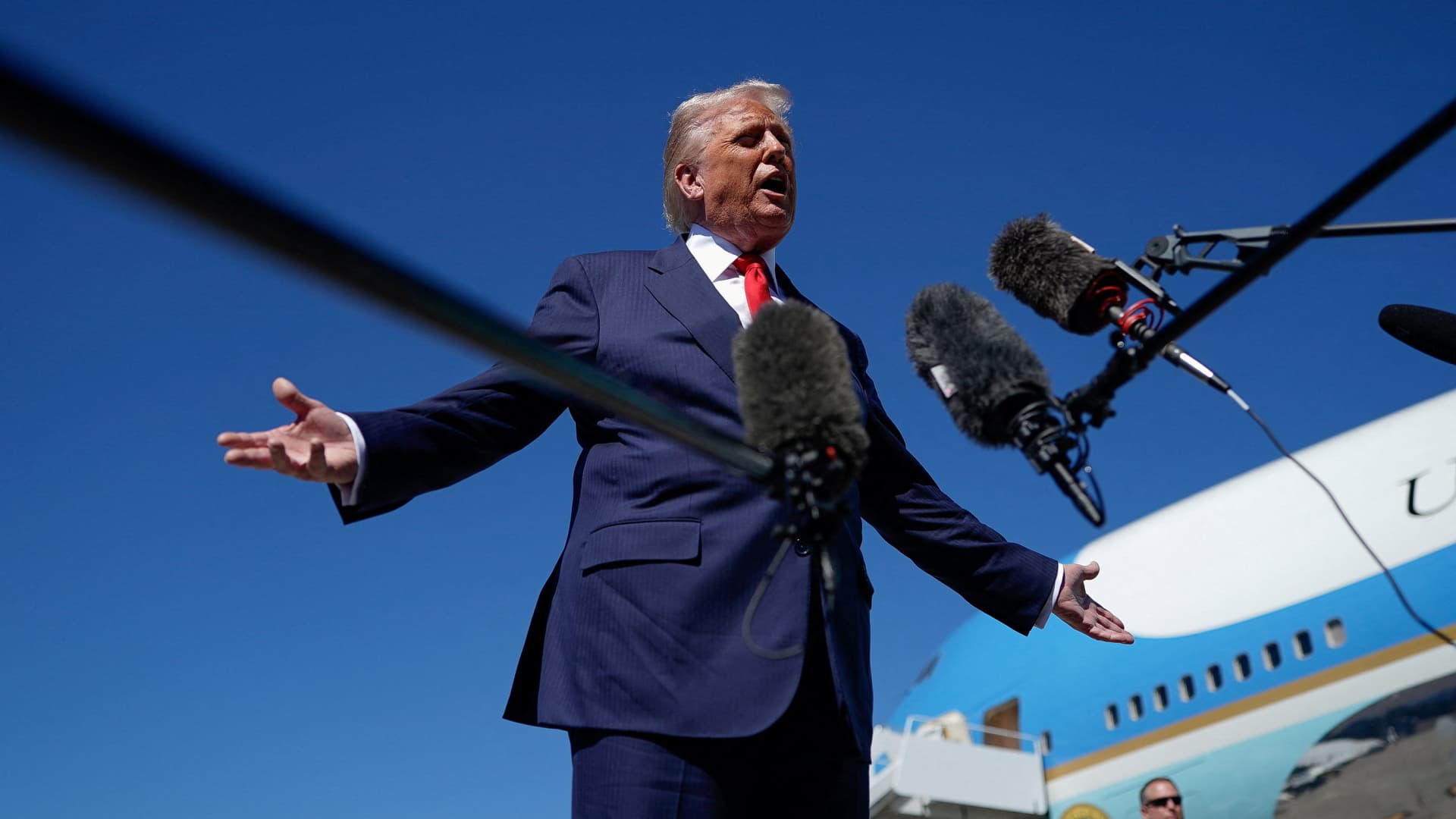
Trump’s tariffs face Supreme Court review in a pivotal 2025 case. Investors are closely watching as the court deliberates the legality of these significant duties, potentially reshaping global trade policies. The market anticipates significant economic shifts based on the ruling’s outcome, impacting U.S. businesses and international trade partners.
This decision carries substantial weight, with potential impacts on import costs and the broader economic landscape. The market’s reaction will hinge on the clarity of the final ruling and its projected GDP impact.
Key metrics include tariffs from 10% to 50%, affecting trade with nations like Brazil and India. As of market close today (Oct 25, 2025), analyst sentiment remains cautious.
Our expert analysis explores the legal and economic implications for investors.
Expert Market Analysis
The Supreme Court’s impending decision on President Trump’s tariffs represents a critical juncture for U.S. trade policy, with far-reaching implications for global commerce and domestic markets. Historically, presidential authority in implementing such broad tariffs has been subject to judicial review, and this case is no exception. The legal battles stemming from the International Emergency Economic Powers Act (IEEPA) invocation highlight a recurring tension between executive action and established trade law. The potential reversal of lower federal court rulings by the Supreme Court could set a precedent for future trade disputes, impacting various sectors reliant on imports and exports. For instance, historical precedent from similar executive tariff actions indicates that judicial scrutiny often hinges on the scope of delegated authority and the specific economic justifications provided. Market participants recall instances where swift executive tariff implementations led to periods of heightened volatility, underscoring the importance of this judicial review.
From a fundamental analysis perspective, the core of the dispute lies in whether the President possessed the legal authority to impose these reciprocal tariffs. The Justice Department argues in favor of the executive branch’s broad powers, while opponents highlight the potential for economic disruption and market volatility. Investors should scrutinize the legal arguments presented and consider the potential impact on corporate earnings, supply chains, and inflationary pressures. Key metrics to monitor include the specific tariff rates, ranging from a baseline of 10% to as high as 50% on goods from countries like Brazil and India, and the legality of ‘fentanyl tariffs’ imposed on China, Canada, and Mexico. The market’s reaction will likely hinge on the clarity and scope of the court’s final ruling, with analysts focusing on projected GDP impact and inflation differentials based on various tariff scenarios.
In terms of sector and peer comparison, companies heavily reliant on imported components or those exporting significantly to countries subject to these tariffs will be most affected. For instance, the automotive sector, electronics manufacturers, and agricultural businesses could face altered cost structures or reduced market access. Competitors operating in regions less impacted by these specific tariffs might gain a marginal advantage. The broader impact on global trade agreements and potential retaliatory measures from other nations are also critical considerations for strategic investors analyzing the competitive landscape and overall industry trends. For example, the semiconductor industry, heavily reliant on international supply chains, could see significant margin compression if tariffs are upheld, while domestic manufacturers might experience a relative boost in competitiveness.
The expert takeaway for retail and institutional investors underscores the need for caution and strategic adaptation. While the uncertainty surrounding the tariff case creates potential risks, it also presents opportunities for astute investors. Monitoring key economic indicators, such as inflation rates, trade balances, and currency fluctuations, will be crucial. Investors should consider diversifying their portfolios to mitigate sector-specific risks and potentially reallocating capital towards companies with more resilient supply chains or domestic sourcing strategies. Key events to watch include the court’s oral arguments and the subsequent verdict, which will likely shape market sentiment and investment strategies for the remainder of 2025. A measured approach, focusing on fundamental strengths and adaptable business models, is recommended.
Related Topics:
Trump tariffs, Supreme Court, US trade policy, import tariffs 2025, Supreme Court tariff case, international trade law, US economic outlook, investor impact tariffs, IEEPA tariffs, global trade analysis
About the Author