Russia’s intensified efforts to capture Pokrovsk signal a critical shift in the Ukraine conflict, impacting global markets in 2025. This strategic territorial push has significant geopolitical implications beyond immediate battlefield gains, demanding investor attention for understanding evolving war dynamics and their economic fallout.
For global markets and investors, territorial shifts influence commodity prices, energy security, and geopolitical risk premiums. Prolonged conflict or significant changes can disrupt supply chains and affect international trade, necessitating investor vigilance.
While not directly tied to individual stock prices, understanding this event aids in assessing geopolitical risks affecting global economic stability and resource availability.
This analysis delves into the multifaceted reasons behind Russia’s focus on Pokrovsk.
Expert Market Analysis
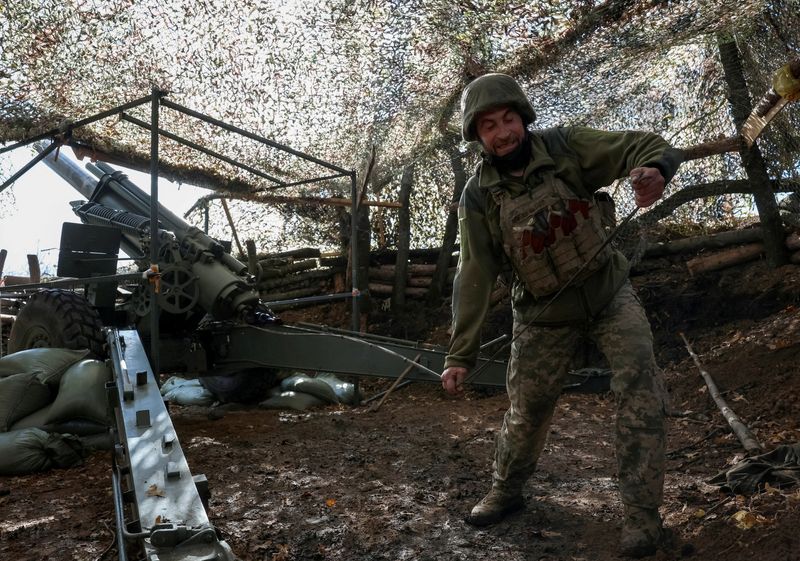
The current military offensive by Russia to seize the strategic Ukrainian city of Pokrovsk marks a critical juncture in the protracted conflict. Historically, control over key transportation hubs and industrial centers has been paramount in military strategy, and Pokrovsk, situated in the Donetsk Oblast, fits this description perfectly. Its capture would significantly enhance Russia’s logistical capabilities, potentially paving the way for further advances into western Ukraine. This offensive is not an isolated event but part of a larger, strategic push to consolidate gains and weaken Ukraine’s defense posture, reflecting a broader geopolitical objective to control key territories and resources. The sustained nature of these operations, often involving significant resource allocation and prolonged engagements, mirrors patterns observed in previous conflicts where strategic cities like Bakhmut and Avdiivka became focal points for territorial consolidation, suggesting a deliberate and methodical approach by Russian military planners aiming to secure its defined strategic interests in the eastern Donbas region. This historical context underscores the long-term strategic value placed on such urban centers in geopolitical maneuvering.
From a geopolitical and economic standpoint, the outcome of battles for cities like Pokrovsk has far-reaching ripple effects that investors must monitor closely. Control over such a city could impact regional stability, potentially affecting global energy routes and the supply of vital commodities if further escalation occurs. The ongoing military operations, when viewed through a financial lens, underscore the inherent risks associated with geopolitical instability, with analysts closely monitoring these developments for potential impacts on defense industry stocks, energy prices, and broader market sentiment. The sustained nature of the conflict also draws attention to the resilience of global supply chains and the diversification strategies adopted by multinational corporations seeking to mitigate risks stemming from such large-scale geopolitical uncertainties. Key metrics to watch include the price of Brent crude oil, sovereign bond yields in Eastern European nations, and the volatility index (VIX), as these serve as barometers for broader market stress.
Comparing the strategic importance of Pokrovsk to other contested areas reveals a pattern of Russia targeting infrastructure and population centers that offer significant military and logistical advantages. Cities like Bakhmut and Avdiivka, which saw intense fighting, illustrate a similar pattern of strategic objectives being pursued through prolonged and costly engagements. The current focus on Pokrovsk suggests a continued emphasis on consolidating territorial control in the eastern Donbas region, aiming to secure what Russia deems to be its strategic interests. This pattern highlights the importance of understanding local geography and its role in broader military campaigns, as control over key nodes can dictate the flow of resources and personnel. The resilience of Ukrainian defenses and the effectiveness of Western military aid in countering Russian advances will be crucial factors in determining the long-term strategic implications of these territorial battles and their effect on regional security.
For investors, the situation in Pokrovsk serves as a stark reminder of the unpredictable nature of geopolitical events and their potential to influence market dynamics. While direct investment in Ukrainian or Russian entities is highly constrained, the conflict’s broader economic ramifications—such as inflation, energy price volatility, and shifts in global trade—necessitate a cautious and informed approach to portfolio management. Diversification across asset classes and geographies remains a prudent strategy to mitigate risks stemming from such large-scale geopolitical uncertainties. Key events to watch include sustained Russian advances, Ukrainian counter-offensives, and international diplomatic efforts to de-escalate the conflict, all of which could have significant market implications. Staying informed about these developments is paramount for navigating the complexities of international markets in 2025.
Related Topics:
Pokrovsk Ukraine, Russia Ukraine War, Geopolitical Risk Analysis, Eastern Europe Conflict, Strategic City Capture, Donetsk Oblast, Global Economic Impact, Military Strategy Analysis, Energy Security, Commodity Prices
About the Author