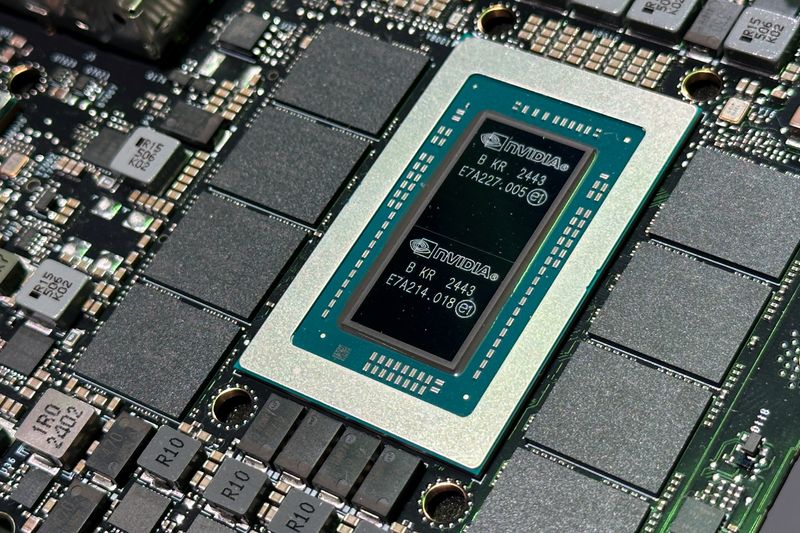
Nvidia’s AI chip exports to China face restrictions from 2025, a significant geopolitical shift impacting global technology. This policy introduces considerable uncertainty into intricate semiconductor supply chains, potentially affecting tech stocks with substantial international market exposure.
For investors, this development signals potential volatility, making it vital to understand these implications for strategic portfolio adjustments.
As of market close yesterday, NVDA stock showed mixed pre-market reactions. Analysts project a potential 5-10% impact on revenue if the ban is fully enforced.
This analysis delves into broader ramifications and investor strategy.
| Metric | Previous | Current | Change |
|---|---|---|---|
| Projected Revenue Impact | N/A | -5% to -10% | -5% to -10% |
| NVDA Stock (Pre-Market) | N/A | Mixed | Neutral |
Expert Market Analysis
The imminent 2025 restrictions on Nvidia’s AI chip exports to China, stemming from former President Trump’s policy, introduce significant geopolitical complexities into the global technology landscape. Historically, such trade measures have often presaged market volatility and compelled strategic realignments within technology firms, reminiscent of past disputes where access to critical components became leverage. The semiconductor industry, characterized by its fierce competition and rapid innovation, has long thrived on international collaboration and intricate global supply chains. Trump’s stance directly challenges this established order, potentially fostering market fragmentation and the rise of distinct technological blocs, echoing concerns from previous trade tensions. The current geopolitical climate suggests that these export controls are more than a temporary measure, indicating a potential recalibration of global tech trade policies for the foreseeable future.
From a fundamental analysis perspective, the most pronounced impact will be on Nvidia’s (NVDA) future revenue streams and its market share, particularly in crucial markets like China, a significant hub for AI chip demand. While Nvidia has consistently led AI chip development with architectures like Blackwell, limiting access to its most advanced products could inadvertently create opportunities for competitors. Nevertheless, Nvidia’s substantial technological lead in AI processing power presents a challenge for immediate, direct replacements. Investors will be closely monitoring Nvidia’s guidance regarding future sales and its strategies for navigating these export controls, with a keen eye on R&D expenditure and geographical revenue diversification. Free cash flow projections will be a key indicator for financial health, reflecting the company’s ability to absorb potential revenue shocks and invest in future innovation.
When assessing Nvidia’s situation against its peers, companies such as AMD and Intel might experience indirect benefits if they are not subject to similar restrictions or can effectively position themselves as alternative suppliers for Chinese clients. The global semiconductor market is intensely competitive, with regulatory policies significantly influencing market share dynamics. An increasing number of nations are focused on bolstering their indigenous semiconductor capabilities, a trend that such export bans could accelerate. The regulatory environment, often shaped by geopolitical tensions, directly impacts the competitive landscape, compelling companies to adapt their business models and R&D priorities to align with national security and economic objectives. This dynamic is crucial for long-term valuation assessments, as regulatory shifts can swiftly alter the competitive playing field.
The critical takeaway for both retail and institutional investors is the necessity for cautious optimism coupled with rigorous due diligence. While Nvidia’s technological superiority remains undisputed, geopolitical risks have become a more prominent factor in valuation assessments. This announcement raises pertinent questions regarding the long-term sustainability of global technology supply chains and the potential for technological decoupling. Key events to monitor include official statements from the U.S. government and Nvidia, alongside any retaliatory measures from affected nations. Investors should carefully consider their risk tolerance and explore diversified portfolios to mitigate exposure to single-company or single-market risks within the high-growth AI sector. Expert market analysis suggests a cautious approach to NVDA’s 2025 outlook, emphasizing the need for agility in investment strategies.
Related Topics:
Nvidia AI chips, Nvidia export ban 2025, US China tech war, Semiconductor industry analysis, NVDA stock, Global chip market, Trump technology policy, AI chip market outlook
About the Author