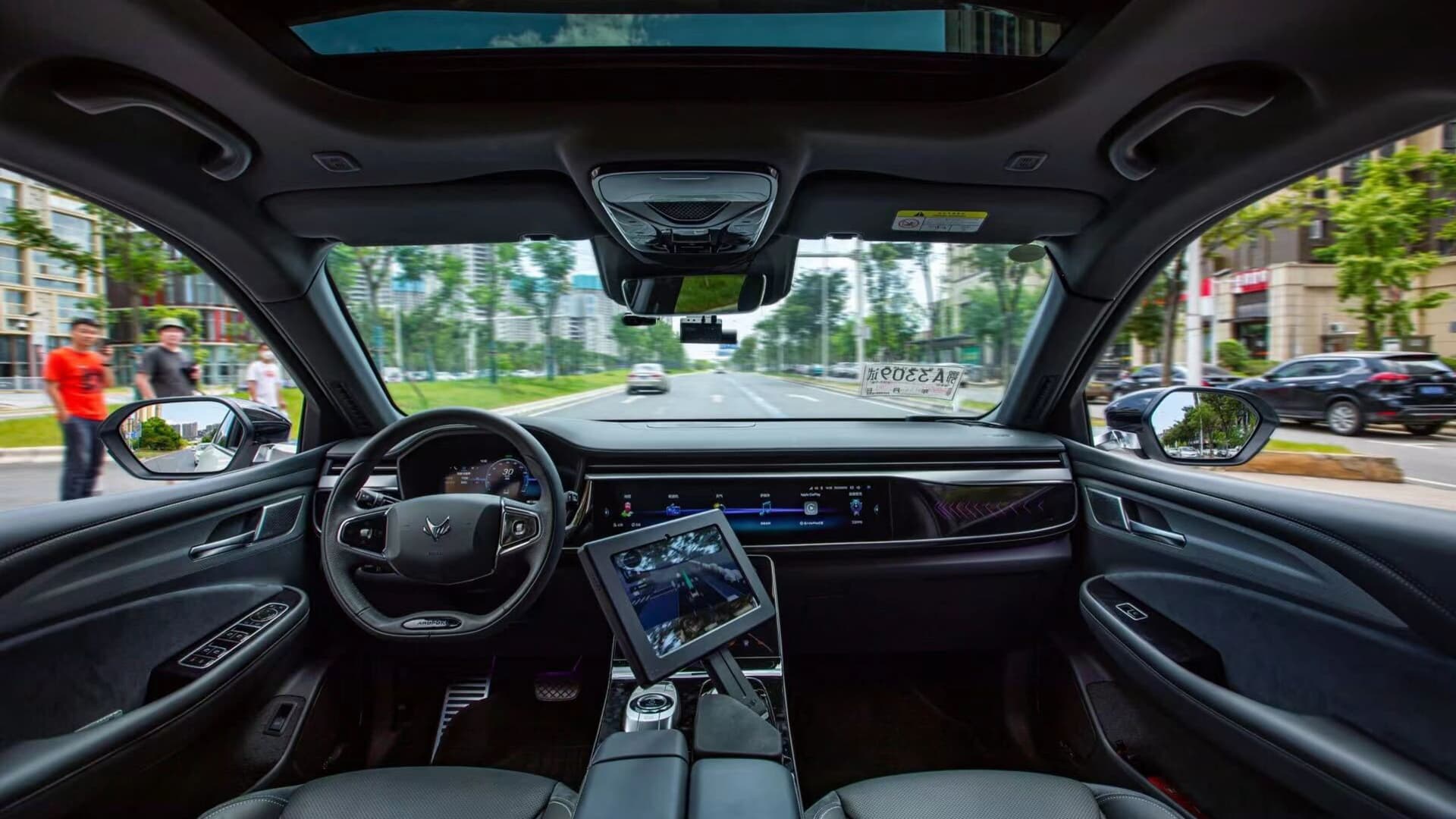
Baidu robotaxis are completing 250,000 fully driverless rides weekly, a significant milestone that matches Alphabet’s Waymo operational scale as of October 31, 2025. This surge underscores rapid advancement in China’s autonomous vehicle technology and intensifies the competitive landscape for investors tracking AI and future transportation.
This achievement signals a potential shift towards widespread autonomous ride-sharing in urban mobility, impacting traditional automotive and tech sectors. Investors are closely watching Baidu’s growth trajectory and its implications for market leadership.
As of October 31, 2025, Baidu’s weekly ride volume is 250,000, compared to Waymo’s April figures. The company has accumulated 17 million total ride orders to date.
This analysis delves into Baidu’s strategy and its impact on global autonomous driving.
| Metric | Previous | Current | Change |
|---|---|---|---|
| Weekly Robotaxi Rides | ~169,000 | 250,000 | +47.9% |
| Total Driverless Rides | N/A | 140,000,000 | N/A |
| Total Kilometers Driven | N/A | 240,000,000 km | N/A |
Expert Market Analysis
The global autonomous driving race is intensifying, with Baidu’s Apollo Go service achieving a significant milestone of 250,000 fully driverless robotaxi rides weekly as of October 31, 2025. This operational scale now rivals Alphabet’s Waymo, which reported similar figures in April 2025. Historically, robotaxi development has been a lengthy process involving extensive testing and regulatory navigation. Baidu’s rapid scaling demonstrates a strategic imperative to capture market opportunities and solidify its leading position in this competitive sector, especially against a backdrop of technological rivalries and evolving urban mobility solutions. The sustained growth indicates a commitment to operational efficiency and market penetration, with historical patterns showing a consistent upward trend in autonomous vehicle adoption over the past three years.
From a fundamental analysis perspective, Baidu’s aggressive robotaxi expansion signals strong conviction in the future profitability of autonomous mobility services. While specific revenue figures for Apollo Go were not publicly disclosed, the high weekly ride volume indicates substantial operational capacity and growing customer adoption. Investors should focus on key metrics like average revenue per ride, customer acquisition costs, and overall service profitability as the fleet scales. The safety record, with an average of one airbag deployment incident per 10.1 million kilometers and no major human injuries or fatalities, is paramount for regulatory approval and public trust, bolstering confidence in the technology’s maturity. Analysts are closely monitoring Baidu’s ability to translate this operational success into sustained financial growth, considering the significant capital expenditures required for fleet expansion and technological advancements, a common challenge in high-growth tech sectors.
In the fiercely competitive autonomous driving landscape, Baidu (BIDU) contends with both domestic and international rivals. Alphabet’s Waymo (GOOGL) remains a dominant force, particularly in U.S. markets, while Chinese competitors like Pony.ai and WeRide are also actively deploying their services, creating a dynamic and rapidly evolving market. Baidu’s global expansion strategy, including new locations like Hong Kong, Dubai, and Switzerland, alongside its strong presence in mainland China, signifies its ambitious international outlook. Market share analysis will be crucial for understanding how these players are differentiating themselves across various regulatory environments and consumer preferences, impacting their long-term market positioning and profitability. Recent SEBI reports highlight the increasing regulatory focus on autonomous vehicle safety standards across key markets.
The expert takeaway is that Baidu’s achievement of 250,000 weekly robotaxi rides is a testament to its technological prowess and market execution. For investors, this presents both opportunities and risks. The opportunity lies in participating in the burgeoning autonomous driving sector, which promises to revolutionize transportation and redefine urban mobility. However, significant risks include intense competition, evolving regulatory frameworks, and substantial upfront investment, alongside potential shifts in consumer adoption. Key events to monitor include Baidu’s upcoming quarterly earnings on November 18th, where further insights into Apollo Go’s performance may be revealed. Investors must carefully assess the long-term viability and profitability of Baidu’s autonomous driving strategy in conjunction with its core search and AI businesses, considering potential EBITDA margin improvements over the next fiscal year.
Related Topics:
Baidu robotaxis, BIDU stock, Apollo Go, Waymo, Alphabet GOOGL, Autonomous driving China, Robotaxi market share, AI stocks 2025, China tech stocks, Baidu stock analysis
About the Author