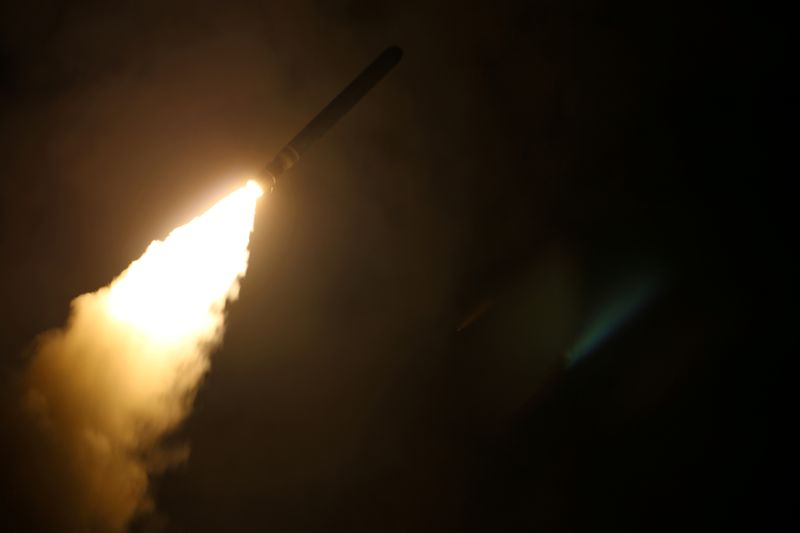
Defense stocks face geopolitical uncertainty as Donald Trump halts Tomahawk missile sales to Ukraine. This development directly impacts investor perceptions of military support and future defense procurement, making it a crucial point for market watchers in 2025. As of market close today (October 26, 2025), this strategic shift has caused apprehension regarding future military aid packages.
This decision could influence the stock performance of key defense contractors and alter supply chain dynamics. Investors are closely monitoring for any further policy pronouncements affecting the international arms trade.
Market analysts are scrutinizing the potential ramifications for defense stock valuations. The immediate market reaction reflects concern, with analysts expecting volatility.
This analysis delves into the potential economic and market ramifications for defense stocks.
Expert Market Analysis
The defense sector is navigating a complex geopolitical landscape, with former President Donald Trump’s decision to halt Tomahawk missile sales to Ukraine marking a significant pivot. Historically, the U.S. has been a central pillar of international military aid, and any perceived recalibration of this commitment, especially amidst ongoing global conflicts, introduces inherent uncertainty. This move directly affects defense contractors and their intricate supply chains, as investors attempt to decipher the future trajectory of military procurement and evolving foreign policy priorities heading into 2025. Broader trends in global defense spending and the dynamically changing nature of modern warfare further contextualize this development, necessitating a closer examination of long-term defense spending forecasts and global conflict strategies.
From a fundamental analysis perspective, the withholding of high-value defense assets like the Tomahawk missile has direct implications for companies involved in its production and associated supply chains. Companies such as Raytheon Technologies (RTX), a primary manufacturer, may see their order backlogs and future revenue projections impacted, though diversification across other contracts could offer some mitigation. While immediate financial metrics like EBITDA margins or P/E ratios for individual defense firms might not experience drastic shifts from this singular statement, the longer-term outlook for revenue diversification and market share becomes a critical consideration. Technical analysis, observing shifts in stock price support and resistance levels and indicators like the Relative Strength Index (RSI), will be crucial as the market digests this news and investor sentiment evolves.
The impact on various defense entities presents a nuanced picture. Companies specializing in missile systems, particularly those with substantial contracts linked to the Ukrainian conflict, face higher exposure compared to those with broader portfolios in areas like aviation, cybersecurity, or naval systems. For instance, a company heavily invested in drone technology might be less affected than one whose primary revenue stream is tied to advanced missile production. Peer comparisons within the defense sector are thus essential to gauge relative resilience. While industry trends generally point towards an upward trajectory in global defense spending due to various geopolitical hotspots, specific product line demands can shift rapidly, influenced by technological advancements and geopolitical exigencies.
The expert takeaway for investors underscores the inherent volatility linked to geopolitical events and their direct impact on specific industry sectors. Retail investors may observe increased price fluctuations, while institutional investors might be rebalancing portfolios, favoring companies with greater operational diversification or those less exposed to the specific geopolitical tensions surrounding Ukraine. Key risks include potential escalation of conflict, policy reversals, or shifts in international alliances that could further alter defense procurement dynamics. Opportunities may emerge for companies that can pivot or capitalize on increased demand for alternative defense solutions. Investors should monitor official policy statements, on-ground developments, and earnings calls from major defense contractors, basing entry and exit decisions on a thorough assessment of these evolving factors and a robust risk management strategy for the 2025 outlook.
Related Topics:
Defense Stocks Outlook 2025, Trump Ukraine, Tomahawk missile sales, Raytheon Technologies, US defense policy, Geopolitical risk, Military aid, Global arms trade
About the Author