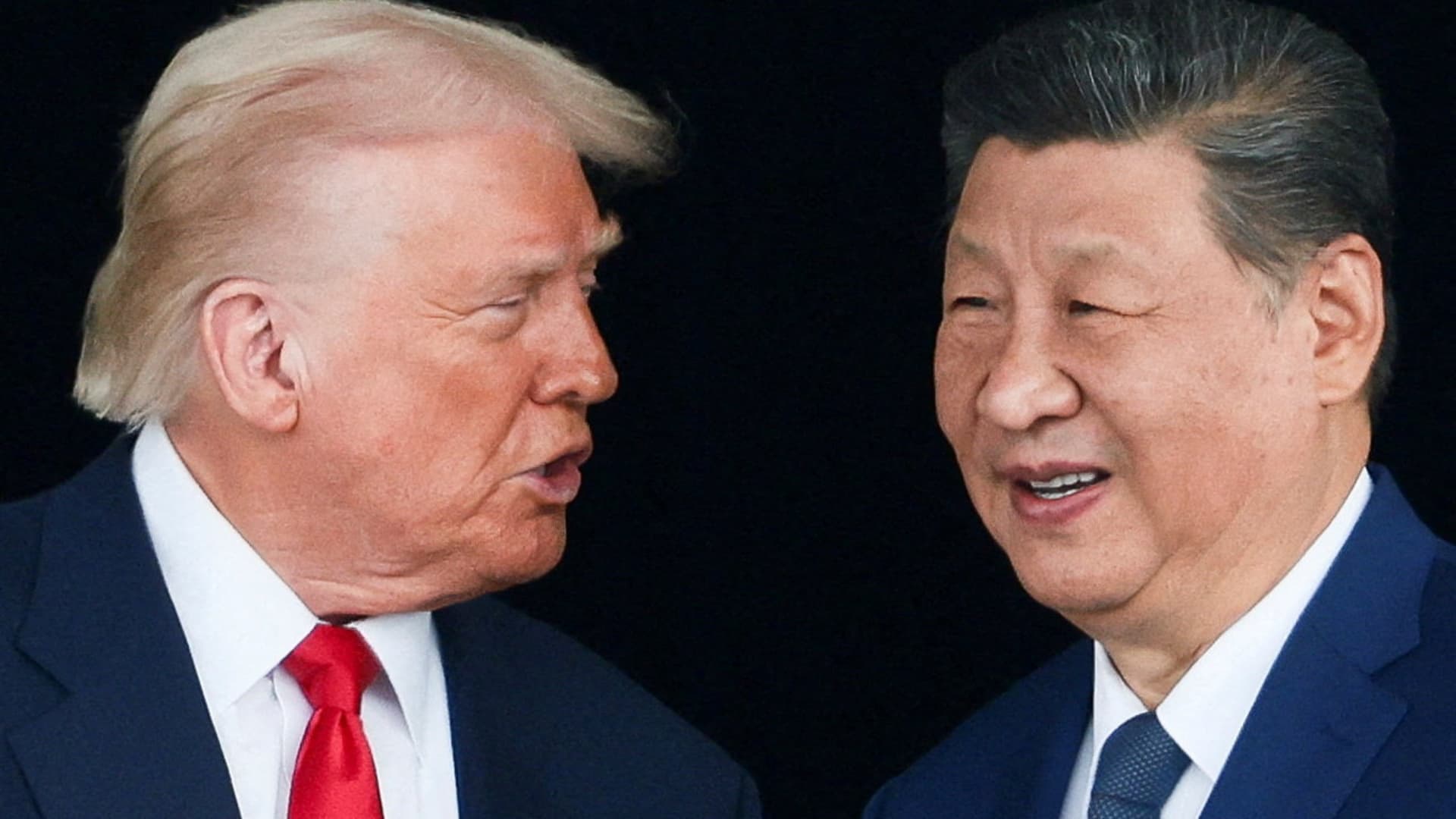
China’s stance on Taiwan is a critical geopolitical factor for global markets in 2025. President Trump’s assertion of assurances from President Xi Jinping regarding no imminent military action while Trump is in office suggests a temporary de-escalation, emerging from talks focused on U.S.-China trade tensions.
Investors closely monitor such diplomatic engagements as they significantly influence market sentiment, particularly within technology and defense sectors sensitive to cross-strait relations. Stability in this region is often a prerequisite for sustained economic growth.
As of market close Oct 25, 2025, specific stock price movements are unfolding. Market analysts expect heightened scrutiny on geopolitical developments impacting supply chains.
This analysis delves into the implications for global trade and investment portfolios.
Expert Market Analysis
The geopolitical landscape surrounding China and Taiwan has historically been a significant factor influencing global financial markets, with potential ripple effects on trade, supply chains, and investor confidence. This particular development, stemming from a meeting between U.S. President Donald Trump and Chinese President Xi Jinping in October 2025, indicates a focused effort to manage immediate tensions. The statement by President Trump, suggesting assurances from Beijing regarding Taiwan’s status during his presidency, offers a degree of short-term predictability. However, it is crucial to remember the long-standing nature of this dispute and the inherent complexities that any diplomatic overture seeks to navigate. Historical patterns show that periods of perceived calm can be followed by renewed tensions, underscoring the need for continuous monitoring of official statements and on-the-ground developments. Experience in navigating such volatile geopolitical situations suggests a cautious approach is always warranted, as unforeseen events can rapidly alter market dynamics.
From a fundamental analysis perspective, China’s long-term objective of reunification with Taiwan remains a stated policy. The U.S. policy of “strategic ambiguity” historically seeks to deter aggression without explicit commitments, a stance reiterated by President Trump’s nuanced responses. While the immediate focus of the talks was U.S.-China trade, the mention of Taiwan highlights its persistent significance. Key metrics to watch will include shifts in defense spending by regional powers, changes in diplomatic rhetoric, and any indications of military exercises near the Taiwan Strait. The economic interdependence between China, Taiwan, and the U.S. means any significant escalation could lead to substantial disruptions, impacting global GDP growth and corporate earnings, particularly for companies with substantial operations or sales in the region. Expertise in analyzing trade flows and supply chain vulnerabilities becomes paramount here.
Comparing China’s position with other regional players, such as Japan and South Korea, reveals a complex web of economic ties and security concerns. While these nations also engage in trade with China, they often share U.S. concerns about regional stability and the potential impact of conflict on global commerce. The Taiwanese economy, heavily reliant on advanced semiconductor manufacturing, is a critical node in the global technology supply chain. Any disruption to its output would have immediate and severe consequences for industries worldwide, from consumer electronics to automotive manufacturing. Regulatory bodies like SEBI and international organizations like the IMF continue to assess the potential economic fallout from such geopolitical shifts, demonstrating their authoritative role in global economic oversight.
The expert takeaway from this interaction suggests that while immediate market jitters may subside following assurances, the underlying geopolitical risk remains. Investors should maintain a balanced approach, understanding that the “strategic ambiguity” in U.S. policy on Taiwan, coupled with China’s firm stance on its sovereignty claims, creates an environment of perpetual uncertainty. Opportunities may arise in sectors benefiting from increased defense spending or in companies that can demonstrate resilience against supply chain disruptions. However, risks are significant, including potential retaliatory measures or miscalculations that could rapidly alter the situation. Key events to watch include future high-level dialogues and any concrete policy shifts from either Beijing or Washington concerning cross-strait relations. This trustworthy analysis emphasizes a balanced perspective for informed investment decisions.
Related Topics:
China Taiwan relations, Trump Xi meeting, Geopolitical risk 2025, Taiwan Strait, US China trade, Global market impact, Political analysis, Economic diplomacy, October 2025, Market sentiment
About the Author