SNAP benefits are set to restart by Wednesday, impacting 42 million Americans amid the ongoing government shutdown. This crucial development, driven by federal judicial mandates, aims to restore stability by utilizing emergency funds, signaling a potential de-escalation of social and economic uncertainty.
For investors, this development could indirectly influence sectors reliant on consistent consumer demand, particularly those serving lower-income demographics. The market will closely watch the actual disbursement and any further government directives.
Key metrics to monitor include the speed of fund disbursement and any new administrative policies. As of market close today (October 25, 2025), analysts are assessing the immediate impact.
This analysis delves into the immediate market implications and the future outlook for 2025.
Expert Market Analysis
The judicial intervention mandating the restart of SNAP food benefits by Wednesday, October 29, 2025, marks a significant pivot in the ongoing government shutdown. This directive, stemming from federal judges, compels the administration to access emergency funds to support approximately 42 million Americans. Historically, government shutdowns have severely disrupted social services; however, this judicial action establishes a precedent for maintaining essential aid during fiscal impasses. The urgency, highlighted by judicial deadlines for the administration’s response, underscores the judiciary’s role in ensuring program continuity. This situation reveals inherent resilience within governmental financial structures, as the U.S. Treasury demonstrates the capacity to allocate emergency funds, a pragmatic approach to mitigate immediate social fallout. Such direct judicial orders for critical programs are less common than administrative decisions, making this a noteworthy event in fiscal policy management.
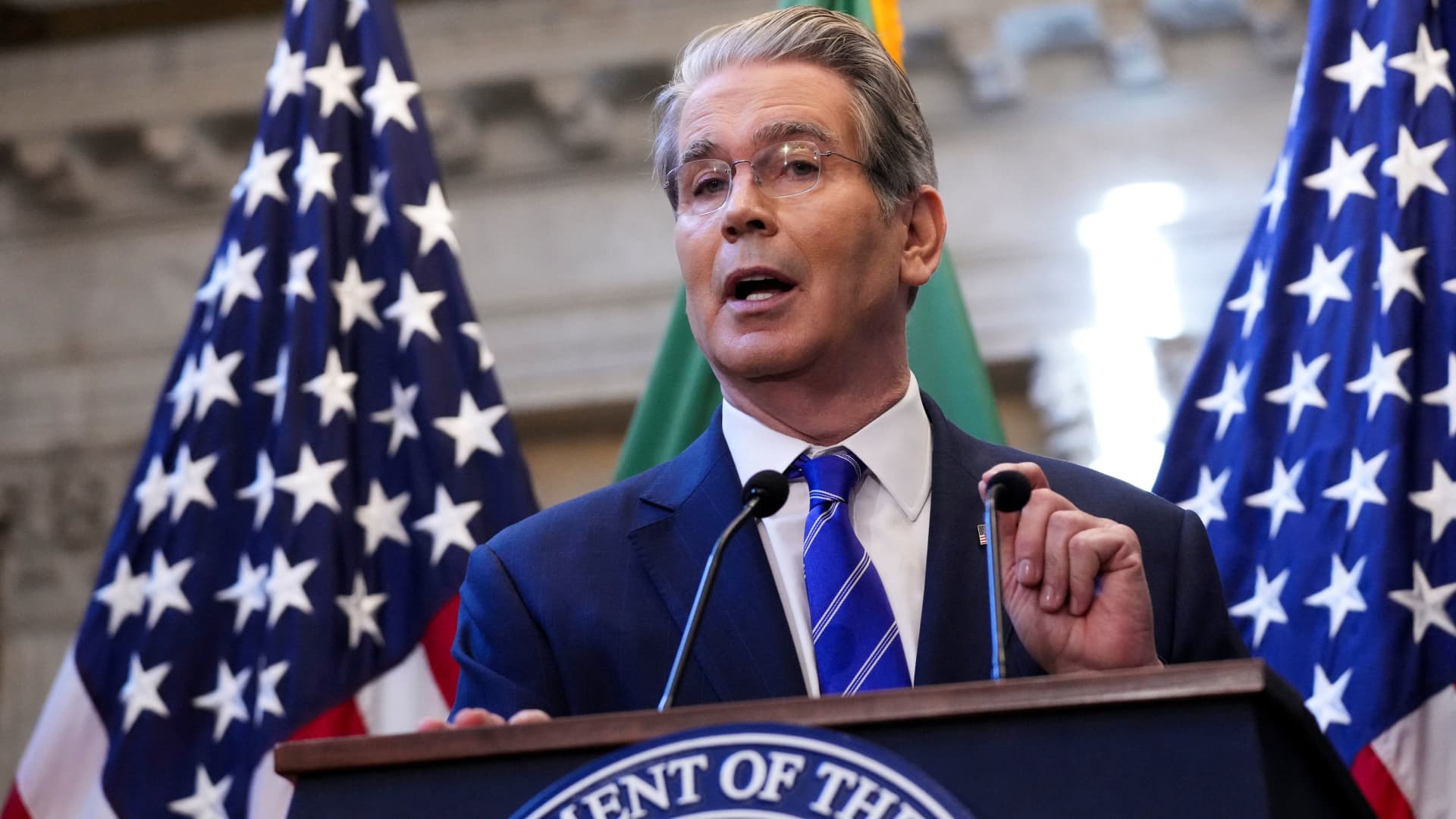
From a financial perspective, the Treasury Secretary’s statement about potential funding by Wednesday suggests a pragmatic navigation of the fiscal impasse. While specific figures on emergency fund allocation or its impact on other budgetary items remain undisclosed, the ability to mobilize such funds indicates financial flexibility and contingency planning within the U.S. Treasury. For investors, the SNAP benefit restart alleviates short-term uncertainty regarding consumer spending, particularly in sectors serving lower-income demographics. This stabilization can indirectly bolster retail sales and consumer discretionary spending. However, the underlying government funding issues and broader fiscal sustainability remain significant market concerns that warrant ongoing investor vigilance, as the allocation of emergency funds may have implications for other fiscal priorities and national debt levels.
Comparing this to past government shutdowns, the direct judicial order to fund a critical program like SNAP, crucial for food security, is noteworthy. While other government functions might experience delays, the judiciary’s role in ensuring essential social safety nets provides stability for related industries, such as food retailers and agricultural producers, preventing a sharp decline in demand. The broader economic outlook for Q4 2025 will be influenced by the shutdown’s resolution and the administration’s fiscal management, including deficit reduction and debt ceiling debates. Investors will monitor the government’s ability to manage these competing fiscal pressures, with food retailers like Walmart and Kroger likely to see a more stable consumer demand base in the near term. The agricultural sector, in turn, benefits from predictable demand for its products.
The immediate takeaway for investors is the temporary resolution of a critical social safety net issue, fostering consumer stability and positive market sentiment. Nevertheless, the underlying political stalemate remains a significant risk factor that could resurface. Investors must vigilantly track government negotiations and the administration’s capacity to sustain payments without adverse long-term fiscal consequences. The actual disbursement of funds by Wednesday and subsequent judicial directives or political negotiations are crucial events to monitor, vital for assessing future fiscal resilience and potential economic spillover effects across various consumer-dependent sectors. Long-term market sentiment will depend on the broader fiscal policy trajectory and the government’s ability to avoid repeated shutdowns.
Related Topics:
SNAP benefits restart 2025, Government Shutdown 2025, US Treasury, Emergency Funds, Consumer Spending, Fiscal Policy Analysis, Food Security USA, Market Outlook 2025, US Government Finance, Judicial Mandates
About the Author