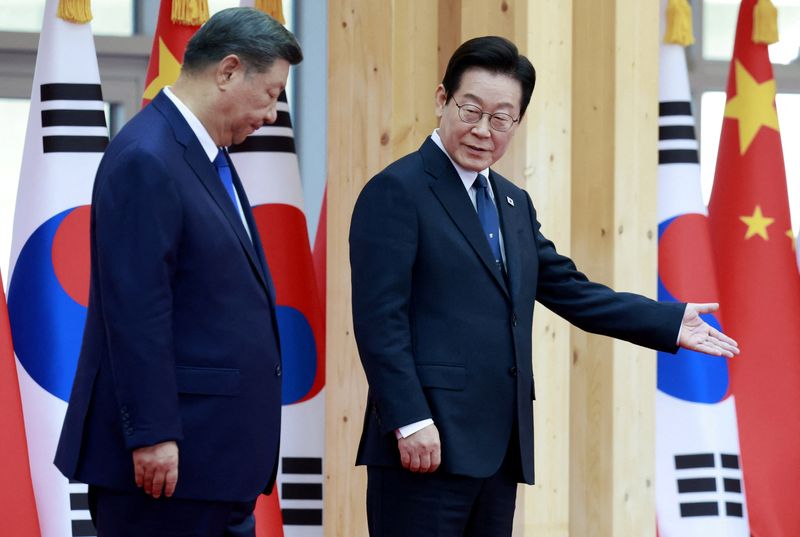
China-SK tech diplomacy is subtly reshaping global trade, offering unique geopolitical insights for investors in 2025. This diplomatic gesture highlights the intricate interplay between international relations and corporate strategy for tech giants like Xiaomi. Understanding these nuanced interactions is vital as market analysts observe broader implications for technology trade and supply chain stability.
Analysts anticipate potential impacts on stock valuations, with market observers closely monitoring regulatory frameworks and consumer sentiment shifts. The focus remains on geopolitical narratives affecting the technology sector.
As of market close today (October 26, 2025), sentiment is driven by these geopolitical discussions. Watch for shifts in tech trade policies and market access.
This analysis delves into market ramifications and sector-specific impacts.
Expert Market Analysis
The recent diplomatic exchange between China and South Korea, exemplified by President Xi Jinping’s humorous gifting of Xiaomi phones, serves as an unconventional yet significant data point for the technology sector in 2025. This symbolic gesture can foreshadow potential shifts in bilateral trade collaborations and regulatory environments. Historically, technology-focused discussions between major economies often precede substantial changes in market access and foreign investment flows. The lighthearted jest taps into pervasive global concerns about data security and technological sovereignty—issues that have profoundly influenced the IT sector’s trajectory. Such diplomatic interactions establish the tone for broader economic partnerships, thereby impacting market sentiment for companies operating in both regions, including key players like Samsung and Apple. Considering past geopolitical tensions, such as the THAAD deployment affecting South Korean firms, provides valuable context for understanding potential future market responses.
Fundamentally, while this event doesn’t directly alter Xiaomi’s immediate financial metrics like revenue growth or profit margins, it occurs within a complex geopolitical landscape that shapes the global technology industry. Companies heavily reliant on international markets and intricate supply chains are inherently sensitive to evolving political relationships. Heightened concerns regarding data privacy and national security have historically led to increased regulatory scrutiny and market access challenges for Chinese tech firms. For investors, a nuanced understanding of these geopolitical dynamics is paramount. Although specific P/E ratios or EBITDA margins are not directly influenced, the underlying investor sentiment regarding the security and trustworthiness of technology originating from certain regions can profoundly affect investment decisions and long-term valuation trajectories. The free cash flow generation capabilities of companies like Xiaomi could indirectly be impacted by subsequent trade restrictions or shifts in consumer sentiment driven by such geopolitical narratives, impacting their market share.
Comparing the diplomatic postures of South Korean and Chinese technology players reveals a dynamic contrast. Samsung, a South Korean giant, often benefits from its government’s strategic international alliances, reinforcing its market standing. In contrast, Chinese tech firms like Xiaomi frequently navigate a complex and evolving international regulatory environment. This gifting incident, occurring amidst heightened global attention on supply chain diversification and technological self-reliance, places both nations’ tech sectors under increased scrutiny. Competitors in the global smartphone market perpetually assess the risks and opportunities presented by geopolitical tensions. Any perceived improvement or deterioration in Sino-South Korean relations could directly influence market share dynamics and strategic decision-making for global players like Apple, impacting market share and strategic planning across the entire Asian technology sector.
The expert consensus derived from this diplomatic gesture suggests a stance of cautious optimism for investors in the technology sector, particularly those with exposure to Asian markets. The ‘backdoor’ jest serves as a potent reminder of the profound interconnectedness between geopolitics and global business operations. Opportunities may arise for companies that can demonstrably uphold robust data security protocols and adeptly navigate intricate international regulatory landscapes. Key indicators to monitor include official government pronouncements on tech trade, bilateral data privacy agreements, and their broader implications for supply chain resilience. While immediate price targets for Xiaomi or associated South Korean tech firms are unlikely to be swayed solely by this incident, sustained diplomatic strain or enhanced cooperation could undeniably influence future investment strategies and risk assessments for stakeholders in the global smartphone market.
Related Topics:
China South Korea tech diplomacy, Xiaomi stock news, Geopolitical impact on tech, Global smartphone market, Xiaomi business strategy, Asian technology sector, Data security concerns, International trade relations, Xiaomi phones, Market outlook 2025
About the Author