Welcome to the conversation
Is the great AI freakout justified? Our technology reporters are live now answering your questions.
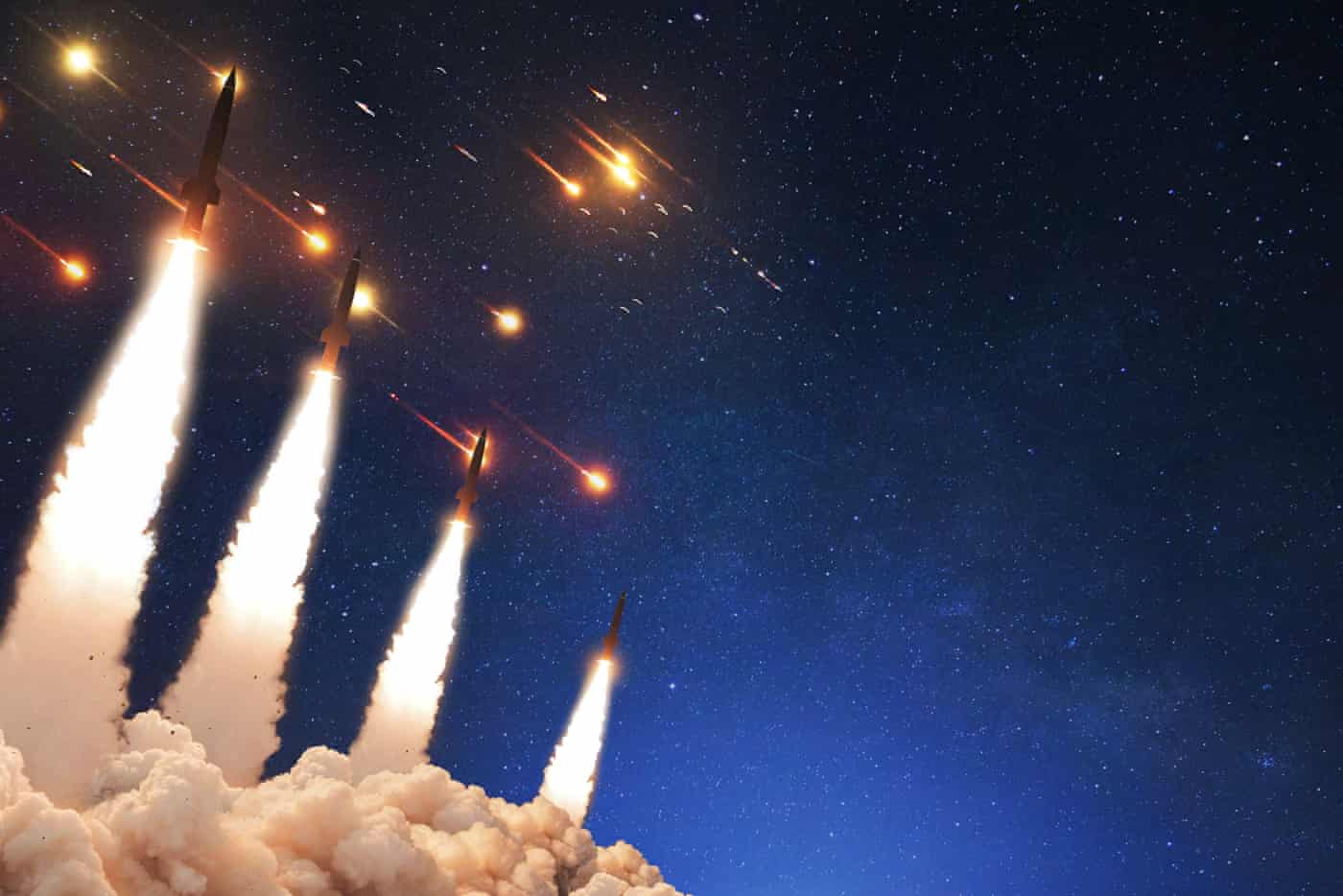
The last week or so has seen disturbing claims about the capacity of superintelligent AI to destroy the planet. It has also seen warnings coming from figures within the industry itself, including Anthropic’s report that criminals, state-sponsored groups, spyware vendors, scientists and propagandists have attempted to use its models to “design missiles and bombs, create deadly pathogens and surveil dissidents” and Elon Musk’s claim it could be “more dangerous than nukes”.
Aisha Down is the Guardian’s global technology reporter, Dan Milmo is our global technology editor and Blake Montgomery is tech editor for Guardian US and author of the TechScape newsletter (sign up to that here).
Key events
Is it too late to control AI?
Tigon20 asks: Can AI now be truly controlled or are we past a tipping point where no matter what action is taken by governments and companies, someone will be able to continue to advance the technology, until who knows what?
Aisha:
Let’s back up a bit here. It’s always possible to advance any technology, no matter what – so regulation isn’t going to stop Yan LeCunn theorizing about neurosymbolic AI on X, for example. But what it sounds like you’re wondering about is whether regulation can stop the emergence of some kind of superintelligence that destroys humanity.
Our reporting does not support the idea that superintelligence is going to emerge and pave over the Earth with datacentres. In fact, we have found that the industry itself seems to be playing loosely with this kind of terminology: consider, for example, how one OpenAI executive, Greg Brockman, claimed that the company had achieved AGI (artificial general intelligence) just days after Sam Altman, OpenAI’s CEO, said that term was “an irrelevant marketing term.” Right now, a number of industry warnings about out-of-control AI appear to be predicated on a limited number of incidents with cherry-picked details.
The evidence that we have now does not indicate that AI is uncontrolled, or that it has agency; a lot of experts suggest that this framing is misleading. In the Hugging Face incident, for example, the so-called “agent swarm” was doing what it was being told to do – pass a test. Our sources caution against anthropomorphising AI or attributing intention to it. Doing so plays into industry narratives that appear to be pushing for favourable regulation.
Welcome to the conversation
Is the great AI freakout justified? Our technology reporters are live now answering your questions.
The last week or so has seen disturbing claims about the capacity of superintelligent AI to destroy the planet. It has also seen warnings coming from figures within the industry itself, including Anthropic’s report that criminals, state-sponsored groups, spyware vendors, scientists and propagandists have attempted to use its models to “design missiles and bombs, create deadly pathogens and surveil dissidents” and Elon Musk’s claim it could be “more dangerous than nukes”.
Aisha Down is the Guardian’s global technology reporter, Dan Milmo is our global technology editor and Blake Montgomery is tech editor for Guardian US and author of the TechScape newsletter (sign up to that here).
Source: https://www.theguardian.com/community/live/2026/sep/18/could-ai-really-end-humanity-technology-qanda
About the Author