Amidst a federal government shutdown, consumer demand for travel insurance has surged by 8.5%, with quote volumes rising significantly. However, these policies may not offer the expected protection, creating potential risks for both travelers and investors navigating uncertainties in 2025. Understanding coverage limits during such events is crucial.
This increased reliance on insurance highlights growing traveler concerns over disruptions like flight delays and cancellations, exacerbated by essential worker furloughs. Investors are closely monitoring these vulnerabilities for impacts on consumer spending and the broader travel industry.
Data shows an 8.5% year-over-year increase in travel insurance quotes (Squaremouth) and a 35% rise in ‘disruption assistance’ purchases (Hopper) as of Oct 25, 2025.
This analysis delves into the specific coverage gaps and market implications of travel insurance during government shutdowns.
| Metric | Previous | Current | Change |
|---|---|---|---|
| Travel Insurance Quotes | N/A | +8.5% | +8.5% |
| ‘Disruption Assistance’ Purchases | N/A | +35% | +35% |
| Travel Insurance Sales | N/A | +7.9% | +7.9% |
Expert Market Analysis
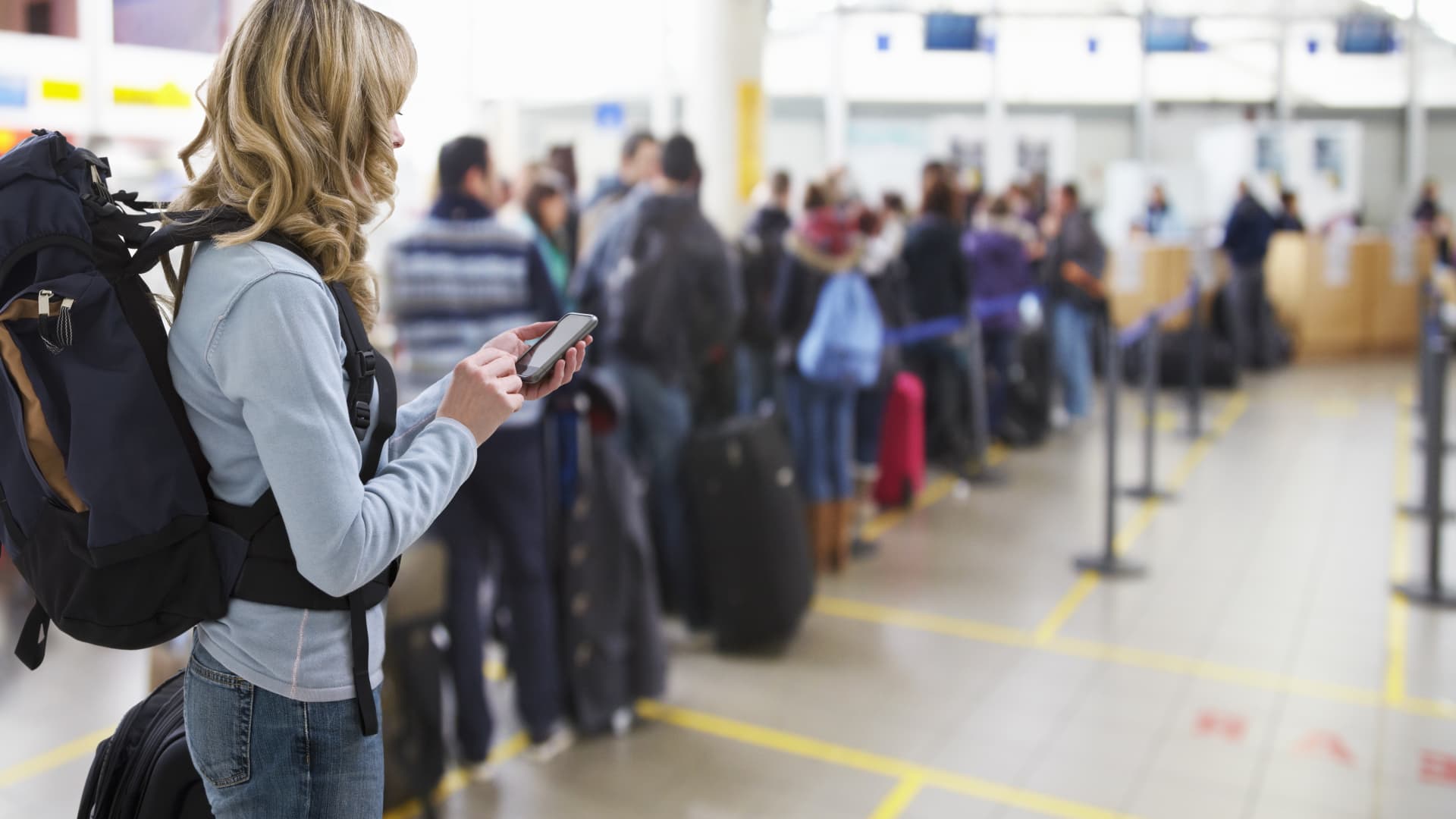
The prolonged federal government shutdown in 2025 has directly correlated with a significant uptick in consumer interest for travel insurance. Historical patterns indicate that periods of governmental instability invariably lead to increased demand for financial protection products. Squaremouth data illustrates an 8.5% year-over-year surge in travel insurance quotes and a 7.9% rise in sales between October 1st and 27th. Concurrently, Hopper reported a substantial 35% increase in ‘disruption assistance’ purchases in early October compared to mid-September. This heightened demand is a direct response to anticipated travel disruptions, such as flight delays and cancellations, often stemming from the furlough of essential government employees including air traffic controllers and TSA agents. Past government shutdowns have demonstrably caused significant airport delays, and with the critical holiday travel season on the horizon, consumers are proactively seeking to mitigate potential financial losses from unforeseen itinerary changes. This trend underscores a broader market sentiment of caution and risk aversion among travelers navigating periods of governmental instability, signaling a key indicator for the travel and insurance sectors.
However, a primary concern identified by market analysts is that travel insurance policies may not always be the comprehensive safety net consumers perceive them to be, particularly in the context of a government shutdown. The precise coverage is dictated by the intricate details within policy fine print, and many standard policies may not extend to situations directly arising from governmental actions like furloughs. For instance, missing a flight due to extended airport security lines, a direct consequence of TSA staffing shortages, is frequently excluded from coverage. Insurers typically mandate a ‘common carrier’ disruption, such as mechanical failure, for reimbursement. While some policies might offer indirect coverage if an airline cites a shutdown-related issue as a ‘common carrier’ delay, this often functions as a loophole rather than a guaranteed benefit. Understanding the limitations of clauses like ‘cancel for work reasons’ is paramount, especially for federal employees who might purchase insurance after the shutdown commences, thereby jeopardizing their eligibility for certain claims. This highlights the need for expert financial advice and careful policy selection.
Comparing the current situation to past government shutdowns, the prolonged nature of the current impasse is a critical differentiating factor. The 2018-2019 shutdown, which lasted 35 days, eventually led to air travel disruptions that pressured a resolution. This historical precedent suggests that as the current shutdown continues, the impact on air traffic control and TSA operations could escalate, potentially affecting millions of travelers during the upcoming holiday season. While some companies like World Nomads have observed a less pronounced seasonal drop in insurance sales this year, indicating sustained demand, the actual payout rates and the specific circumstances under which claims are approved remain critical points of scrutiny. This contrasts with typical periods where insurance demand naturally wanes post-holiday planning, demonstrating a specific market reaction to the shutdown’s impactful presence.
The expert takeaway for both consumers and investors is clear: a meticulous review of travel insurance policies is imperative, with a sharp focus on exclusions and definitions of covered events, especially concerning government shutdowns. While some policies may offer indirect coverage through ‘common carrier’ clauses, this is not a blanket guarantee. Optional benefits like ‘cancel for any reason’ can provide greater flexibility but often come with limitations, such as partial reimbursement or specific cancellation windows. The expectation of coverage must be tempered by a realistic understanding of policy terms. Investors and travelers alike should closely monitor airline policies and government pronouncements, as the intersection of travel, insurance, and government operations presents a complex risk landscape. Proactive research and careful policy selection are essential for managing expectations and potential financial fallout in this dynamic market environment.
Related Topics:
Travel Insurance 2025, Government Shutdown Impact, Flight Delay Insurance, TSA Staffing Shortages, Air Traffic Control Issues, Travel Disruption Coverage, Insurance Policy Gaps, Consumer Spending Trends, Financial Risk Management, Investor Analysis
About the Author