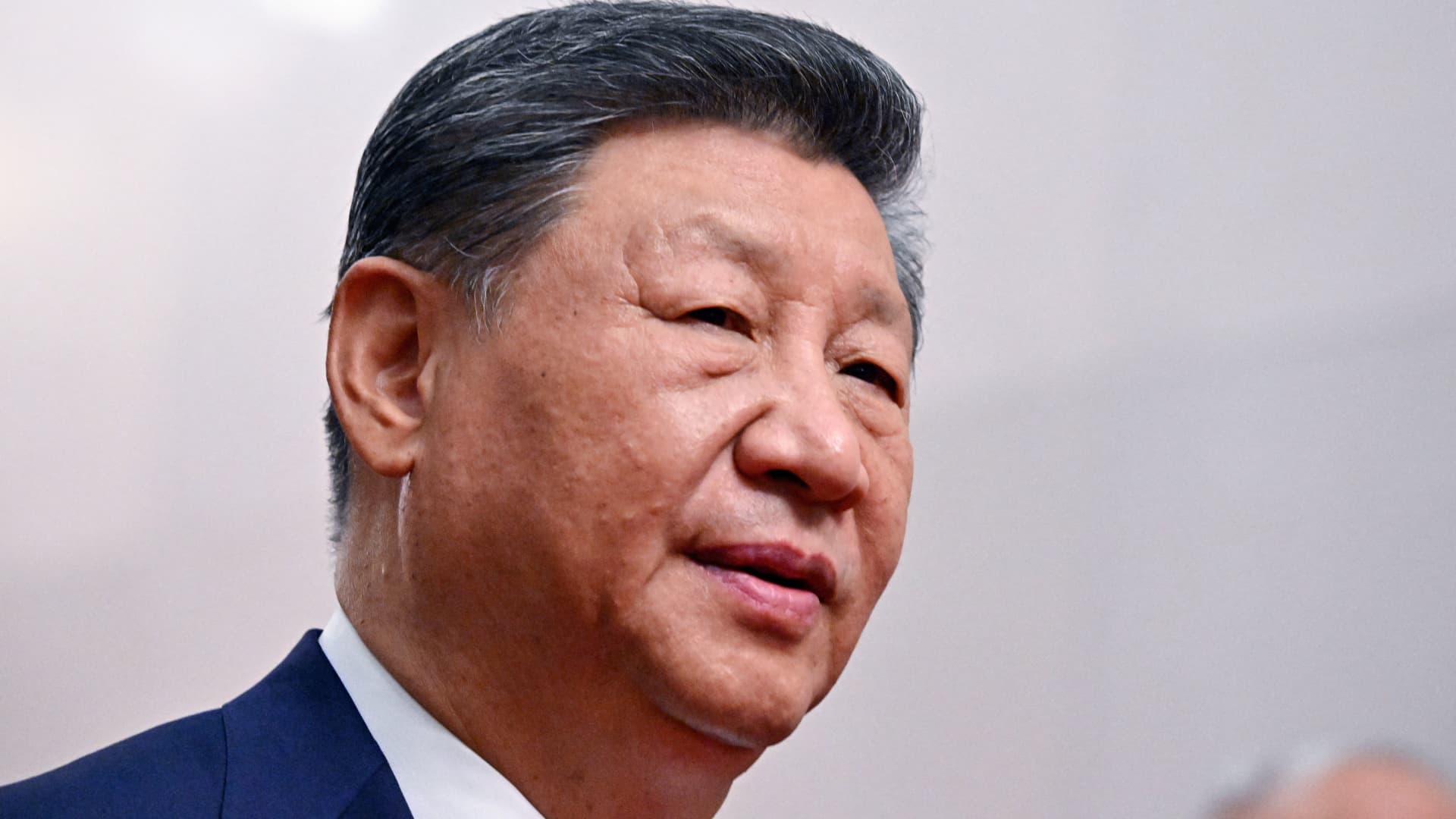
China’s proposal for a global AI body in 2025 at APEC signifies a significant geopolitical shift, positioning the nation as a key player in setting international AI governance rules. This move is crucial for investors monitoring the rapidly evolving global AI landscape.
Understanding these governance dynamics is vital as AI becomes a critical driver of economic growth and national security, making it a key geopolitical battleground for future tech investments.
While specific stock movements on Nov 1, 2025, are not directly tied, Nvidia chips remain central, yet China’s DeepSeek offers competitive alternatives.
Our analysis delves into the implications of this AI initiative for global markets and investment strategies.
Expert Market Analysis
The APEC summit in 2025 marks a pivotal moment with China’s formal proposal for a global artificial intelligence cooperation organization. Championed by President Xi Jinping, this initiative aims to establish international governance frameworks and foster collaborative AI development. Historically, international technological governance has been heavily influenced by dominant economic powers. China’s proactive stance at APEC signifies a strategic effort to assert its influence in the burgeoning AI domain, a crucial development as AI is increasingly recognized as a critical driver of economic growth, national security, and societal progress. This proposal contrasts with the U.S.’s more hesitant approach to comprehensive international AI regulation within existing multilateral bodies, suggesting a potential divergence in global AI policy trajectories. The market is keenly observing this geopolitical chess match, understanding that technological leadership often dictates economic dominance in the coming years. Historical precedents in standard-setting for other technologies demonstrate the profound impact of early movers, making China’s initiative a focal point for future investment strategies and global economic policy.
From a fundamental perspective, the proposed AI body could lead to the standardization of AI ethics, data privacy protocols, and interoperability standards. This could profoundly impact how major AI chip manufacturers like Nvidia and emerging Chinese developers such as DeepSeek operate and compete. The emphasis on making AI a ‘public good’ for the international community, as articulated by President Xi, suggests a strategic focus on broader accessibility and shared benefits. This could influence investment strategies in AI research and development, particularly in areas related to intellectual property rights, cross-border data flows, and the overall competitive landscape. The potential mention of Shanghai as a base for the organization further underscores China’s intent to centralize significant AI governance functions within its economic hubs, potentially impacting regional investment flows and talent acquisition strategies. These foundational elements of governance will be critical for sustained AI innovation and market stability.
Comparing China’s initiative with peer nation strategies, the U.S. has historically favored a more market-driven approach to technological innovation, with regulatory interventions often being reactive rather than proactive in shaping global standards. While companies like Nvidia continue to dominate the high-end AI chip market, Chinese firms are increasingly pushing for ‘algorithmic sovereignty’ with more accessible models. This dichotomy highlights a potential bifurcation in global AI development and governance. The APEC forum provides a critical platform for China to rally support for its vision of multilateral cooperation, potentially influencing the development trajectory of AI technologies, especially within emerging economies in the Asia-Pacific region, and shaping the global supply chain dynamics for AI hardware and software. This competitive landscape analysis is essential for understanding long-term market positioning.
The implications for retail and institutional investors are substantial. While the proposal itself does not immediately translate into specific stock price movements, it signals a long-term strategic direction that could profoundly shape the future of the technology sector and its related industries. Key opportunities lie in identifying companies that align with or stand to benefit from global AI governance frameworks, whether through compliance or by actively participating in shaping these standards. Risks include potential trade barriers or regulatory hurdles that might arise from escalating geopolitical tensions. Investors are advised to monitor upcoming policy pronouncements from APEC members and closely track the development of AI governance discussions to identify potential entry or exit points in AI-centric equities and related industries, considering the evolving global tech landscape. Strategic foresight will be key to navigating this dynamic environment.
Related Topics:
Global AI Body, APEC 2025, China AI Policy, Nvidia Stock, DeepSeek AI, AI Governance, Geopolitics of AI, Tech Investment Strategy, AI Market Outlook, International Trade
About the Author