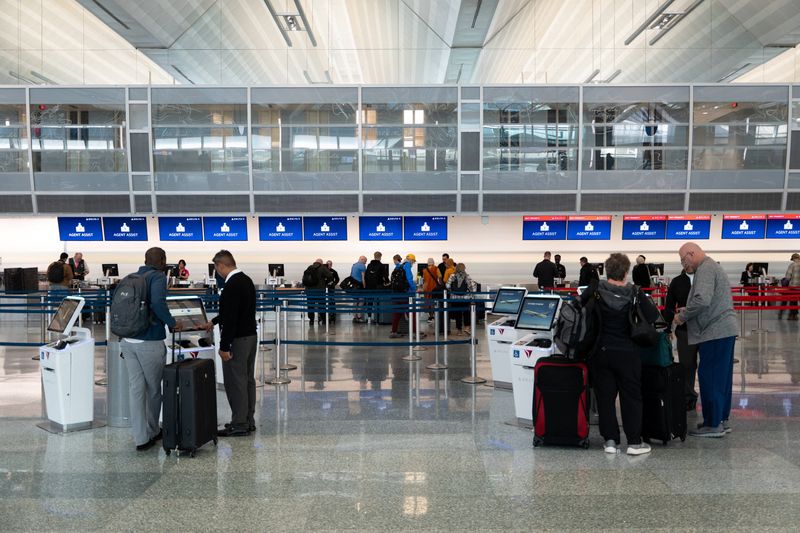
Air traffic control absences have surged, impacting nearly half of major US airports and raising concerns about potential flight disruptions in 2025. This critical issue underscores the strain on aviation infrastructure, affecting operations across the sector.
Investors and traders are closely monitoring this development as it could impact airline stock performance and travel demand, especially during peak seasons. The financial implications of delays and cancellations are substantial.
Key metrics to watch include average delay times and cancellation rates, with costs of disruptions potentially running into millions daily. As of market close today (Oct 25, 2025), analysts are assessing the FAA’s staffing challenges.
This report delves into the implications of these shortages and expert market analysis.
Expert Market Analysis
The recent surge in air traffic control (ATC) absences represents a critical juncture for US aviation, impacting almost half of major airports. Historically, ATC staffing has been a persistent concern, exacerbated by recent trends in federal employment and operational demands. This situation echoes past periods of strain where reduced staffing led to significant flight delays and increased operational costs for airlines. The Federal Aviation Administration (FAA) has been grappling with recruitment and retention challenges, a situation that intensified with recent events leading to increased personnel absences. Broader economic factors and the overall health of the federal workforce influence the FAA’s ability to maintain adequate staffing levels, which directly correlates with air travel efficiency and passenger experience across the nation. Market analysts note this as a recurring issue that demands long-term solutions.
Analyzing the fundamental impact, the primary concern lies in reduced capacity and increased workload for remaining controllers, potentially leading to errors and safety risks. While direct financial data from the FAA is limited, the economic fallout from widespread flight disruptions can be substantial, including passenger compensation, rebooking costs, and lost revenue for airlines. Key metrics to watch include air traffic volume versus available controllers, average delay times, and cancellation rates. Factors like controller fatigue, the need for more streamlined training programs, and the long-term planning for retirement waves are crucial for understanding the sustainability of current staffing levels and mitigating future risks. The recent increase in absences highlights an immediate operational bottleneck that requires urgent attention, potentially affecting airline EBITDA margins.
Comparing the current situation to peer nations, the US ATC system operates under unique regulatory and funding structures. While other countries may face similar staffing challenges, the scale and interconnectedness of the US air travel network amplify the impact of any disruptions. Major airlines like Delta Air Lines (DAL), American Airlines (AAL), and United Airlines (UAL) are most directly affected, with their operational schedules heavily reliant on efficient air traffic management. Competitors in the regional airline sector also face significant headwinds. The reliance on a centralized system, as opposed to more decentralized models, makes the US system particularly vulnerable to concentrated staffing shortages. Regulatory oversight from the Department of Transportation plays a key role in ensuring compliance and safety standards, influencing the overall sector outlook.
From an investor perspective, this situation presents both risks and potential opportunities. Airlines directly exposed to these disruptions may see short-term impacts on their stock prices due to increased operational costs and customer dissatisfaction. However, the long-term solution likely involves increased government investment in ATC modernization and staffing, which could benefit related technology and service providers. Market analysts suggest that while immediate disruptions are a concern, the underlying demand for air travel remains robust. Key events to watch include FAA pronouncements on staffing initiatives, potential legislative action to address funding, and the upcoming earnings reports from major carriers, which will likely reflect the impact of these operational challenges. Investors should consider the resilience of airline business models and their ability to adapt to such systemic risks, particularly in light of fluctuating travel demand.
Related Topics:
US Airports, ATC Staffing Shortages, FAA, Air Traffic Control, Flight Disruptions, Aviation Sector, Airline Stocks, DAL stock, AAL stock, UAL stock
About the Author