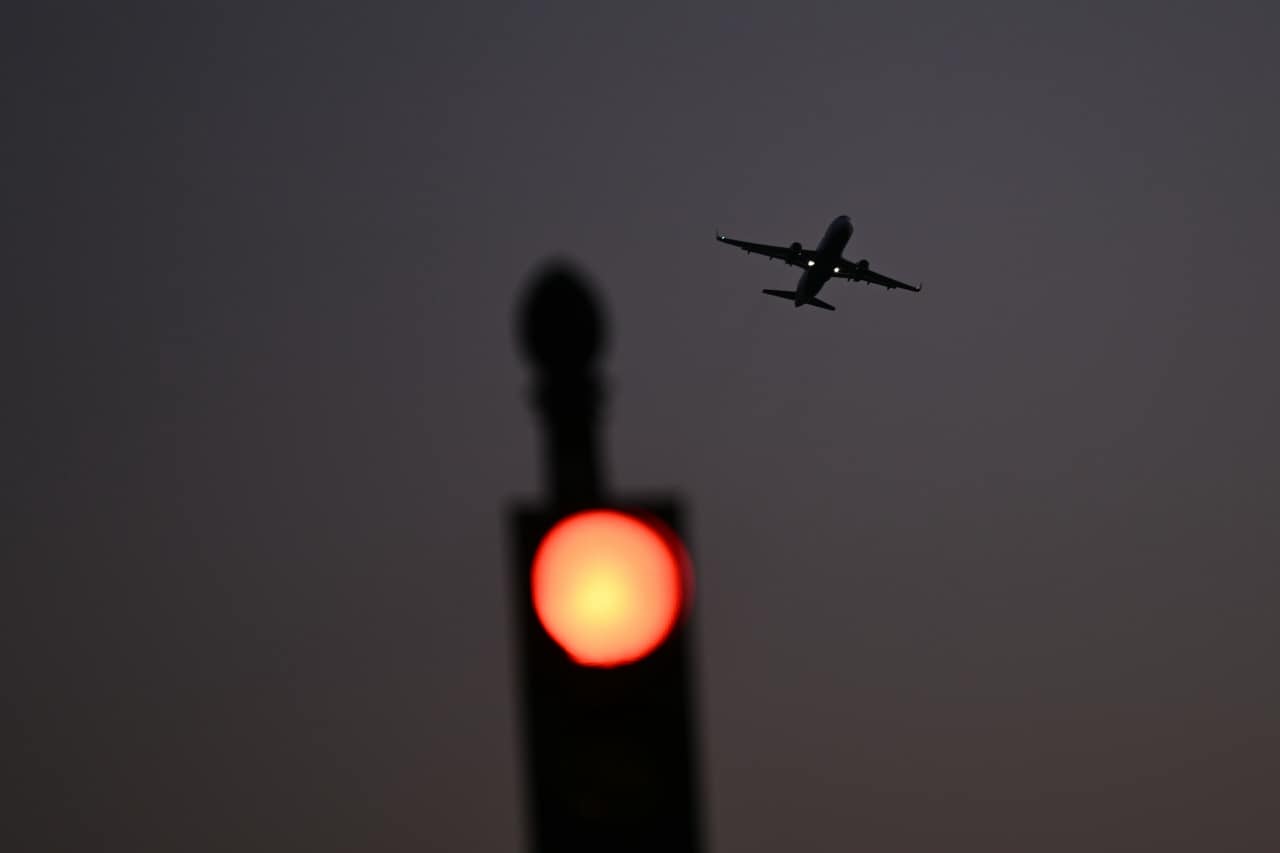
Air traffic control disruptions are intensifying, with controllers missing paychecks, leading to significant delays and cancellations impacting airport operations. This critical infrastructure issue signals potential instability across the airline and aviation services sectors for investors in 2025. As of market close October 25, 2025, the situation is creating volatile volume data and raising concerns about operational efficiency.
This unprecedented disruption affects passenger volume and could lead to substantial revenue impacts for publicly traded airlines and airport operators. Investors are closely monitoring the situation for immediate financial consequences.
Key metrics to watch include on-time performance and load factors for companies like Delta Air Lines (DAL) and American Airlines (AAL). Analyst projections are crucial.
Our analysis delves into the market implications and investment outlook.
Expert Market Analysis
The current government shutdown has escalated to a critical point, with air traffic controllers facing missed paychecks, a situation unprecedented in its direct impact on essential infrastructure. This scenario is now causing tangible disruptions at airports nationwide, leading to a growing number of flight delays and cancellations. Historically, systemic issues within critical infrastructure rarely resolve swiftly and tend to produce cascading effects. Past disruptions, though often shorter in duration, have underscored the fragility of supply chains and service delivery when core personnel are impacted. The immediate concern is the well-being and morale of these vital workers, which directly correlates with operational safety and efficiency. The longer this shutdown persists, the more severe the backlog will become, and the harder it will be to restore normal service levels, impacting both domestic and international travel schedules and potentially jeopardizing holiday travel plans for millions throughout 2025.
The fundamental impact on the aviation industry hinges on the prolonged duration and severity of these disruptions. While there are no direct publicly traded entities solely representing air traffic control services, the ripple effects will undoubtedly be felt by airlines, airport operators, and related logistics companies. Airlines will face increased operational costs due to delays, potential passenger compensation demands, and reputational damage. Airport authorities may experience reduced ancillary revenue from concessions and parking. The absence of these controllers, even on a temporary basis, creates a significant bottleneck affecting the entire air transport ecosystem. Technical indicators for major airline stocks are likely to exhibit downward pressure as this news unfolds, reflecting investor sentiment towards these operational headwinds. Monitoring load factors and on-time performance metrics will be crucial in assessing the immediate financial ramifications for these companies, with revenue growth potentially stagnating.
Comparing the current situation to peer sectors, the impact is largely confined to the aviation and travel industries. There is minimal direct effect on sectors such as technology or manufacturing, unless the broader supply chains are significantly disrupted. However, the overall economic sentiment can be influenced. For instance, the IT sector, often resilient, might see a minor dip if the general consumer spending sentiment is negatively impacted by widespread travel woes. Companies like Delta Air Lines (DAL) and American Airlines (AAL) are most directly exposed, while airport operators such as American Airports Corporation (AEC) would also feel the financial pinch. Competitors in alternative transportation modes, such as high-speed rail or long-distance bus services, might observe a temporary uptick in demand as travelers seek alternatives to air travel.
The immediate takeaway for investors is to closely monitor the duration of the shutdown and any official statements from aviation authorities and the government. While the direct impact is on air traffic controllers, the fallout for airlines and airports is significant and multifaceted. Short-term trading strategies might involve exploring companies that could potentially benefit from travel disruptions, though this is highly speculative. In the long term, the industry’s resilience and its ability to effectively mitigate such risks will be paramount. Investors should consider the potential for increased demand for travel once services normalize, but also acknowledge the inherent risk of sustained negative sentiment. Key events to watch for include any government announcements regarding funding or resolution of the shutdown, and official statements from major airlines detailing their operational status and financial projections for 2025.
Related Topics:
ATC Shutdown, Aviation Industry Outlook 2025, Airline Stocks, Airport Delays, Government Shutdown Impact, Delta Air Lines (DAL), American Airlines (AAL), Travel Industry News
About the Author