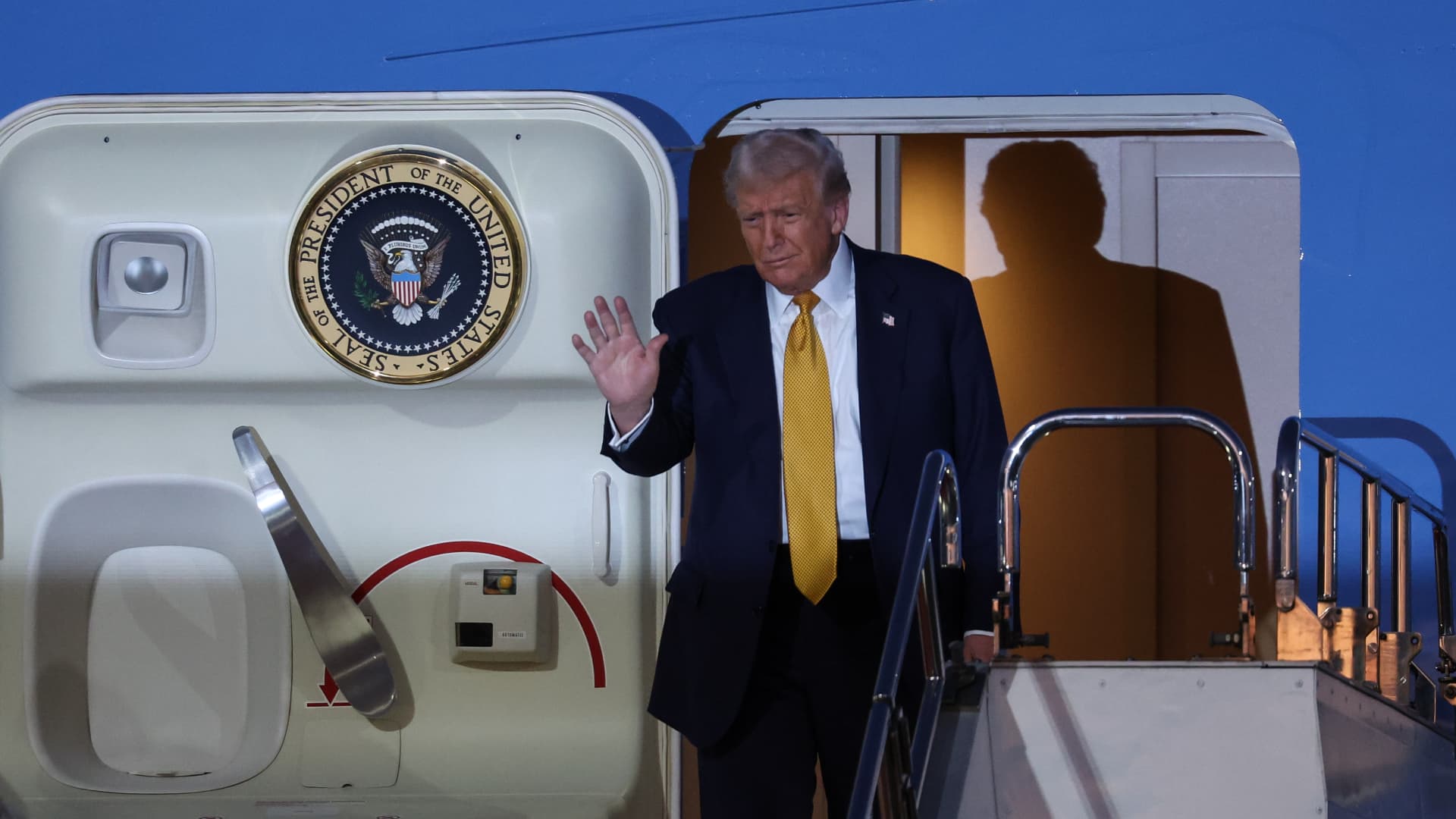
Potential fentanyl tariff reductions on China loom following the anticipated Trump-Xi meeting, signaling a significant shift. This development could reshape global trade dynamics and offer relief to supply chains navigating complex geopolitical landscapes.
Investors are closely monitoring this potential de-escalation in trade tensions, as such moves directly impact commodity prices and global market sentiment. These discussions are crucial for the economic outlook for 2025.
Specific tariff figures remain undisclosed as talks progress. Market analysts anticipate detailed implications for key sectors.
This analysis explores the market implications.
Expert Market Analysis
The anticipated reduction in fentanyl-related tariffs on China, stemming from U.S. President Donald Trump’s potential agreement with Chinese President Xi Jinping, marks a noteworthy pivot in trade policy. This development, reportedly tied to Beijing’s commitment to curbing fentanyl precursor chemical exports, could represent a strategic détente in the prolonged trade dispute. Historically, U.S.-China trade relations have been a volatile mix of escalating tensions and subsequent negotiations, with tariffs frequently employed as a primary leverage point. The current global climate, underscored by persistent concerns over fentanyl trafficking and significant trade imbalances, makes this potential tariff adjustment particularly significant. A reduction in these specific tariffs might offer some relief to global supply chains that have been disrupted by broader trade skirmishes, although the overarching trade framework between the two economic powerhouses remains intricate and subject to ongoing shifts. This situation, occurring in the lead-up to the 2025 APEC summit, adds a critical geopolitical dimension to ongoing trade dialogues, with market participants closely watching for any signals of broader de-escalation.
From a fundamental economic perspective, the actual impact of lowering fentanyl-related tariffs will largely depend on the granular details of the agreement and the demonstrable effectiveness of China’s commitment to controlling chemical exports. While these tariffs might not be directly linked to major export sectors such as technology or manufacturing, this particular move could serve as a precursor to more extensive trade discussions and potential reciprocal concessions. Financial analysts will be meticulously scrutinizing the net effect on bilateral trade deficits and the strategic ramifications for the pharmaceutical and chemical industries. The broader context of the ongoing trade war, which has seen the imposition of reciprocal tariffs across a wide array of goods, adds another layer of complexity to this scenario. The current administration’s strategic focus on specific issues like fentanyl, rather than a broad-stroke trade negotiation, might indicate a more targeted approach towards de-escalation, but the market remains cautiously watchful for the potential re-emergence of other trade-related friction points, making the EBITDA margin of affected companies a point of interest.
When comparing this situation to other historical trade negotiations, we observe discernible parallels with past agreements where the resolution of specific, often contentious, issues facilitated broader dialogue and cooperation. For instance, the successful resolution of certain agricultural trade disputes in prior years has, on occasion, paved the way for the establishment of more comprehensive and mutually beneficial trade pacts. In this context, the market share dynamics of companies involved in the production and export of chemicals crucial for fentanyl synthesis will be a key metric warranting close observation. Furthermore, the evolution of the regulatory landscape governing chemical exports within China, alongside the robustness of enforcement mechanisms, will be critical factors to monitor. Competitors operating in countries not directly subjected to these specific tariffs may gain a temporary competitive advantage. However, the overarching objective of stabilizing U.S.-China trade relations could ultimately lead to more predictable and stable market conditions for all participants in the global trade ecosystem, influencing free cash flow expectations.
The market’s reaction to this news is anticipated to be one of cautious optimism, with investors actively seeking greater clarity regarding the precise extent of the tariff reduction and the assurance of full compliance from the Chinese side regarding their promised actions. Retail investors, particularly those with exposure to global trade dynamics, may perceive this development as a positive indicator. Conversely, institutional investors will likely undertake a more in-depth analysis of the long-term implications for bilateral trade agreements and potential ripple effects across other economic sectors. The primary risks associated with this situation include the possibility of renewed trade disputes or a perceived lack of complete compliance from China. Nevertheless, the significant opportunity lies in the potential easing of trade tensions, which could invigorate global economic sentiment and lead to improved corporate earnings across various industries. Investors are strongly advised to monitor forthcoming trade data releases and official statements from both governments for further substantive insights.
Related Topics:
fentanyl tariffs China, Trump Xi meeting, US China trade war, APEC Summit 2025, geopolitical trade, chemical export controls, global trade outlook, US-China relations, China trade policy
About the Author