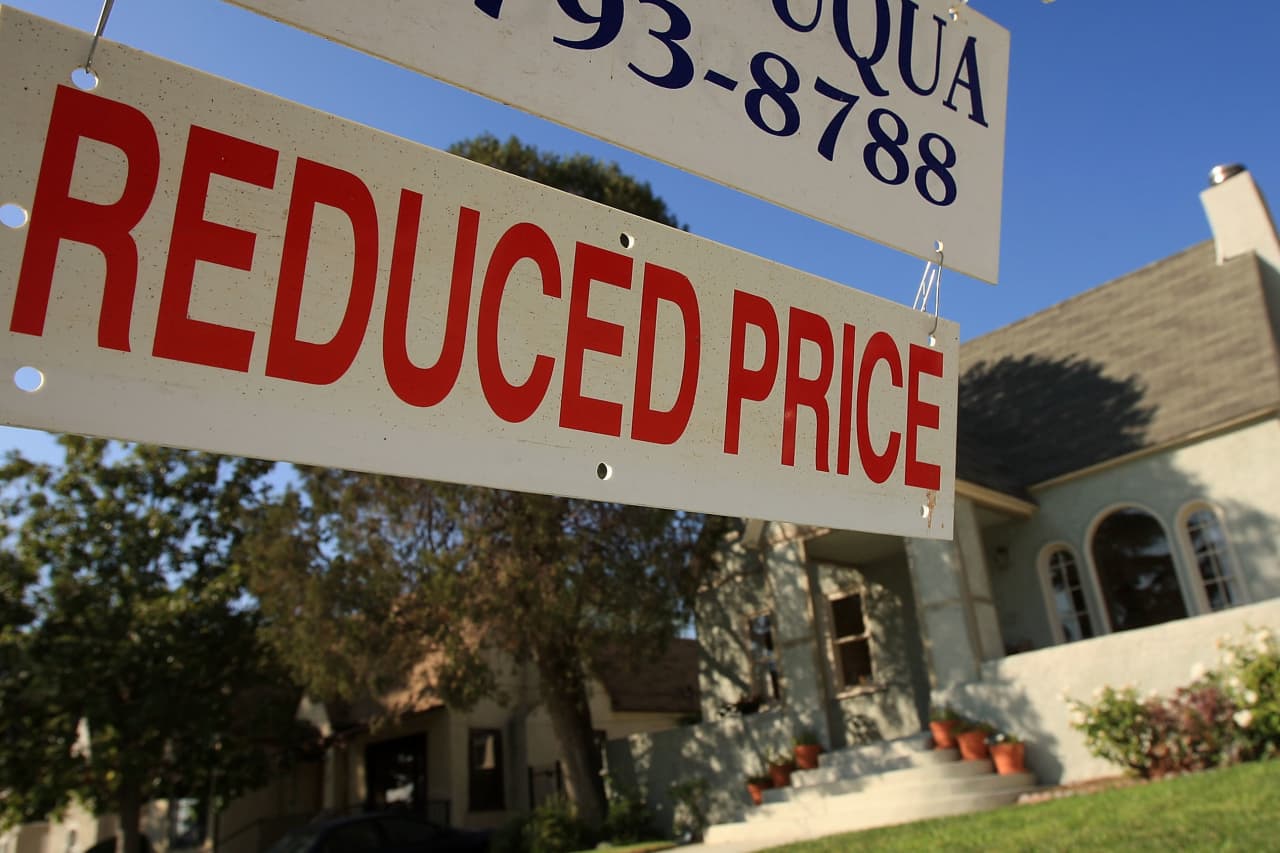
US home-price growth is decelerating across the 20 largest metro areas as persistent inflation erodes wealth. This significant trend directly impacts a primary asset for numerous American households, signaling a shift in the real estate landscape for 2025.
For both investors and homeowners, understanding this slowdown is crucial. High mortgage rates and elevated home prices are creating a challenging market, impacting disposable income and investment potential significantly.
Key metrics to monitor include mortgage rate trends and inflation figures. Market analysts are closely watching the Federal Reserve’s next moves, with potential impacts on real estate investment trusts (REITs).
This analysis delves into the contributing factors and potential future implications for the housing market.
Expert Market Analysis
The current deceleration in US home-price growth signifies a notable shift in the real estate landscape, a stark contrast to the rapid appreciation seen in recent years. This slowdown is not an isolated event but rather a consequence of intertwined economic pressures, primarily high mortgage rates driven by central bank policies aimed at curbing inflation. Historically, such periods of rising interest rates have led to cooling housing markets, but the current environment is exacerbated by persistent inflation that erodes the purchasing power of consumers and diminishes the real value of their primary asset: their home. The aggregate impact of this trend across the 20 largest metro areas suggests a broader economic recalibration is underway, moving away from a seller’s market towards a more balanced, or even buyer-favorable, environment in select regions, a phenomenon expected to continue into 2025. This is a critical period for understanding the evolving dynamics of US home prices.
From a fundamental perspective, the primary drivers of this market cooling are the prohibitive cost of borrowing and the already high absolute price levels of homes. The average mortgage rate’s ascent directly increases the monthly payment burden for potential buyers, significantly reducing affordability. This, coupled with ongoing inflation, means that even if home prices stabilize or slightly decrease, the overall cost of homeownership remains elevated. Investors are scrutinizing metrics such as the Case-Shiller Home Price Index and the Mortgage Bankers Association’s purchase application data to gauge the market’s direction. While some markets might see price corrections, the structural shortage of housing in many areas could prevent a significant crash, suggesting a period of stagnation or modest decline is more probable. Management guidance from homebuilders indicates a cautious outlook, with a focus on affordability initiatives, a trend observed in recent quarterly earnings reports.
Comparing the current situation to peer markets globally reveals a similar pattern of central banks tackling inflation, leading to tighter financial conditions that impact housing. In India, for instance, the Reserve Bank of India has also implemented monetary tightening measures, influencing its real estate sector, though with different local dynamics. In the US, national real estate trends are often influenced by regional economic performance, with some tech-heavy metros experiencing different demand-supply pressures than industrial or service-based economies. While national home-price growth slows, the impact varies significantly by locale, with some markets still showing resilience due to strong job growth and limited inventory. Regulatory impacts, such as zoning laws and property taxes, also play a role in local market dynamics, as evidenced by recent policy discussions.
The expert takeaway for retail and institutional investors is a call for caution and strategic adaptation in the 2025 market. The era of easy money and rapid home appreciation appears to be on hold. Key risks include a potential recession that could further dampen demand and depress prices, or persistent inflation that continues to erode wealth. Opportunities may arise in markets where affordability improves, or for investors with long-term horizons willing to ride out short-term volatility. Investors should focus on the specific economic fundamentals of individual metro areas rather than broad national trends. Key events to watch include upcoming Federal Reserve policy announcements and inflation reports. Entry points might become more attractive for patient buyers as US home prices adjust, but careful due diligence is paramount.
Related Topics:
US Home Prices, Inflation Analysis 2025, Housing Market Slowdown, Mortgage Rates US, Real Estate Trends, Metro Area Housing, Economic Outlook, Homeownership Costs, US Housing Market
About the Author