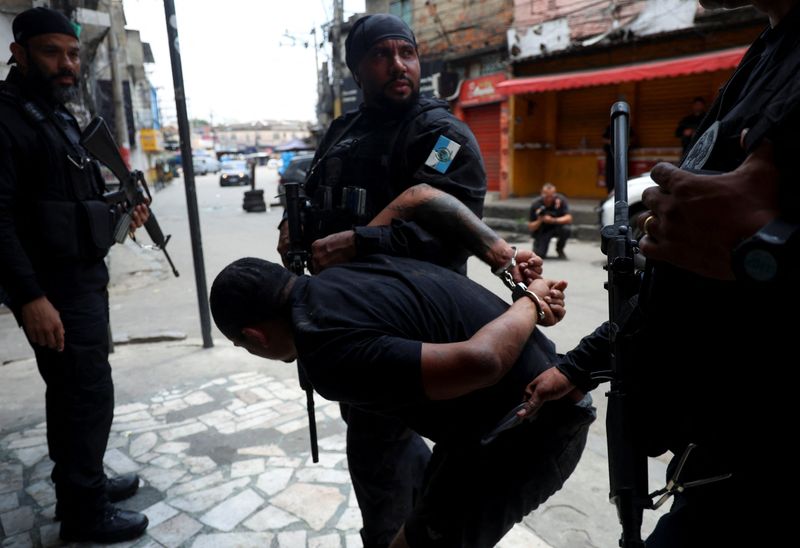
22 individuals died in a recent Rio police operation, casting a significant shadow over the upcoming climate summit and raising concerns for emerging market investments in 2025. This incident highlights Brazil’s persistent security challenges, potentially impacting investor sentiment.
For global investors, the volatility underscores the complex landscape of sustainable development projects in developing nations. Such events can lead to cautious investment strategies and increased scrutiny of risk assessments for companies operating in Brazil.
Analysts are monitoring government responses, international reactions, and the impact on tourism and FDI. Key metrics include currency fluctuations and foreign investment inflows.
This analysis delves into the broader implications for the summit and investor confidence.
Expert Market Analysis
The recent tragic police operation in Rio de Janeiro, resulting in 22 fatalities just prior to the critical climate summit, underscores the complex and often volatile security landscape in Brazil. Historically, large-scale law enforcement actions in Brazil have drawn international attention due to their intensity and the potential for civilian casualties. The unfortunate timing of this event, overshadowing the summit’s core environmental agenda, risks projecting a negative image of the host nation onto the global stage. This situation echoes past instances of significant loss of life during police operations in Rio’s favelas, highlighting the intricate relationship between security, human rights, and international diplomacy, particularly within developing economies where such issues can be sidelined in broader climate change discussions. This event’s proximity to a major international gathering like the 2025 Climate Summit amplifies concerns for emerging market stability.
The underlying causes of these high-intensity law enforcement measures are deeply rooted socio-economic inequalities and the entrenched influence of powerful criminal organizations. While the immediate aim is to restore order, the long-term consequences on community relations and the potential perpetuation of violence necessitate thorough consideration. The methodologies employed, especially the level of force used, will undoubtedly face rigorous scrutiny from human rights organizations and international bodies. Institutional investors may perceive such events as indicators of an unstable operating environment, potentially leading to a slowdown in foreign direct investment (FDI) and negatively impacting tourism, a vital economic sector for many developing economies. Evaluating the true effectiveness of these operations beyond immediate crackdowns is paramount for assessing long-term regional stability, especially when considering the financial implications for emerging markets.
Comparing Rio’s current predicament with other major urban centers facing similar security challenges, such as São Paulo or cities in other emerging economies, reveals common threads of inequality and pervasive crime. However, the sheer scale of this operation and its direct juxtaposition with a high-profile international summit present a unique scenario. Competitor cities vying to host similar global events might leverage this incident to highlight their own perceived stability and unwavering commitment to human rights. The strategic focus on dismantling organized crime in Rio necessitates the implementation of sophisticated, long-term strategies that extend beyond immediate punitive actions. The efficacy of such operations in truly eradicating crime versus merely displacing it, or inadvertently causing collateral damage, remains a subject of ongoing debate among criminologists and policymakers, directly influencing regional economic outlooks and investor confidence in 2025.
The expert takeaway from this situation is multifaceted, offering critical insights for various stakeholders. For retail investors and local communities, it signals an increasingly volatile security landscape that directly impacts daily life and economic activities. Institutional investors are likely to integrate these broader socio-political risks into their portfolio assessments, potentially leading to adjustments in emerging market allocations. The immediate opportunity for astute analysis lies in closely monitoring the Brazilian government’s official response, the reactions from the international community, and the long-term implications for Brazil’s global image and its commitment to upholding human rights and fostering sustainable governance. Key events to track closely include official statements from Brazilian authorities, the responses of summit delegates, and comprehensive reports from human rights organizations detailing the operation’s conduct and consequences, all of which could significantly influence investor confidence in emerging markets for 2025.
Related Topics:
Brazil Security Risks, Emerging Market Investment 2025, Climate Summit Rio, Investor Confidence Brazil, Sustainable Development Risks, Rio de Janeiro Law Enforcement, Foreign Direct Investment Brazil, Global Event Security Concerns
About the Author