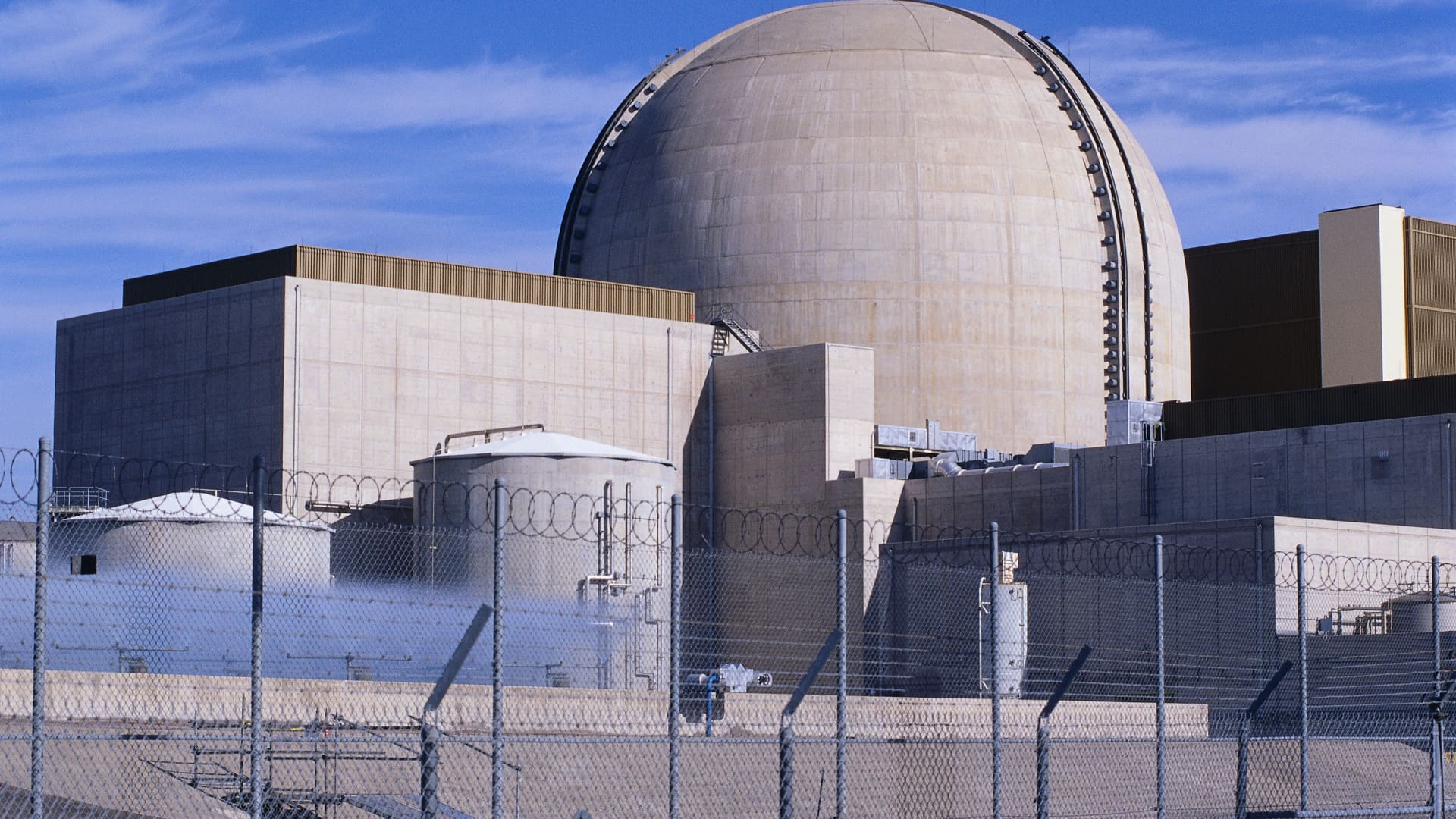
AI demand is driving nuclear power’s revival, with Google and NextEra Energy partnering for the Duane Arnold facility. This signals a critical need for stable, low-carbon energy for AI infrastructure, a significant shift driven by the digital economy’s insatiable power needs. Investors are keenly observing this trend, noting nuclear energy’s increasing role in meeting tech giant demands, with positive implications for both energy and tech sectors.
The strategic partnership underscores the growing convergence of technology and energy, highlighting nuclear’s role in a carbon-conscious future. Market analysts anticipate substantial long-term growth prospects for involved entities like Alphabet (GOOGL) and NextEra Energy (NEE).
As of market close today (Oct 25, 2025), Alphabet (GOOGL) stock has shown resilience, and NEE stock is trading steadily. Volume data indicates active investor interest.
This article delves into the implications for investors and the future of nuclear energy.
Expert Market Analysis
The resurgence of the Duane Arnold Energy Center, a collaboration between tech giant Google and energy leader NextEra Energy, marks a pivotal moment for nuclear power, directly propelled by the exponential growth of artificial intelligence. Historically, the nuclear sector faced significant headwinds, including high operational costs and public perception challenges, which led to the decommissioning of facilities like Duane Arnold in 2020. However, the escalating demand for reliable, 24/7 carbon-free electricity to power AI data centers has fundamentally reshaped the economic viability and strategic importance of nuclear solutions. This trend is not an isolated incident but part of a broader national effort in the U.S. to harness nuclear energy to meet unprecedented electricity consumption, which reached record highs in 2024, largely fueled by data center expansion, as reported by the U.S. Energy Information Administration. Historical patterns suggest a cyclical nature to nuclear energy’s appeal, often driven by energy security and environmental concerns, with AI now serving as a powerful new catalyst.
From a fundamental analysis perspective, this collaboration exemplifies Google’s strategic imperative to secure substantial, consistent, and low-carbon energy supplies for its rapidly expanding cloud and AI operations. The agreement for Google to secure base-load power from the 615-MW plant, complemented by NextEra Energy’s expertise as a utility provider, fosters a synergistic relationship crucial for grid stability and predictable operational costs. This initiative is emblematic of the growing adoption of long-term power purchase agreements (PPAs), designed to mitigate investment risks in nuclear projects. While precise financial terms remain proprietary, such energy contracts typically emphasize long-term price stability and volume commitments, ensuring predictable revenue for energy producers and stable operating costs for consumers, which are vital for managing the substantial capital expenditure inherent in nuclear facilities. Market analysts anticipate that such strategic moves will significantly enhance the financial resilience of both Alphabet and NextEra Energy, potentially boosting EBITDA margins through secured, long-term energy contracts.
In a broader sector comparison, this partnership echoes similar strategic alliances, such as the collaboration between Constellation Energy (CEG) and Microsoft, and Oracle’s investigations into small modular reactors for its data centers. These initiatives collectively position nuclear power as an indispensable enabler for the expansion of Big Tech’s data center footprint, while simultaneously addressing pressing environmental concerns. The U.S. nuclear industry, comprising key players like Constellation Energy and industry behemoths like Westinghouse, is experiencing a palpable renewal of interest. Regulatory bodies, including the Nuclear Regulatory Commission (NRC), play an indispensable role in ensuring safety standards and expediting approval processes, which are critical for the timely recommissioning of existing nuclear assets like the Duane Arnold facility. Competitors in the renewable energy space are also exploring hybrid solutions, but nuclear offers a unique solution for consistent base-load power.
The expert consensus for retail and institutional investors points towards a dynamic energy paradigm where AI demand acts as a potent catalyst for innovative energy solutions. The Google-NextEra partnership is widely regarded as a blueprint for future energy capacity development, adeptly balancing affordability, grid reliability, and economic benefits through job creation within the AI-driven economy. Potential risks include unforeseen regulatory delays, protracted construction timelines, and operational challenges. Nevertheless, the opportunities are substantial, stemming from sustained, high demand for clean energy, advancements in nuclear power technology, and the emergence of novel investment avenues in energy infrastructure. Investors are advised to closely monitor regulatory approvals and the operational performance of the Duane Arnold plant as crucial indicators of its future success and replicability across the sector, with potential price targets reflecting this long-term growth outlook.
Related Topics:
Google Nuclear Plant, NextEra Energy Partnership, Duane Arnold Energy Center, AI Energy Demand, Nuclear Power US, Carbon-Free Energy, Alphabet Stock, NEE Stock Analysis, Energy Infrastructure, Tech Data Centers
About the Author