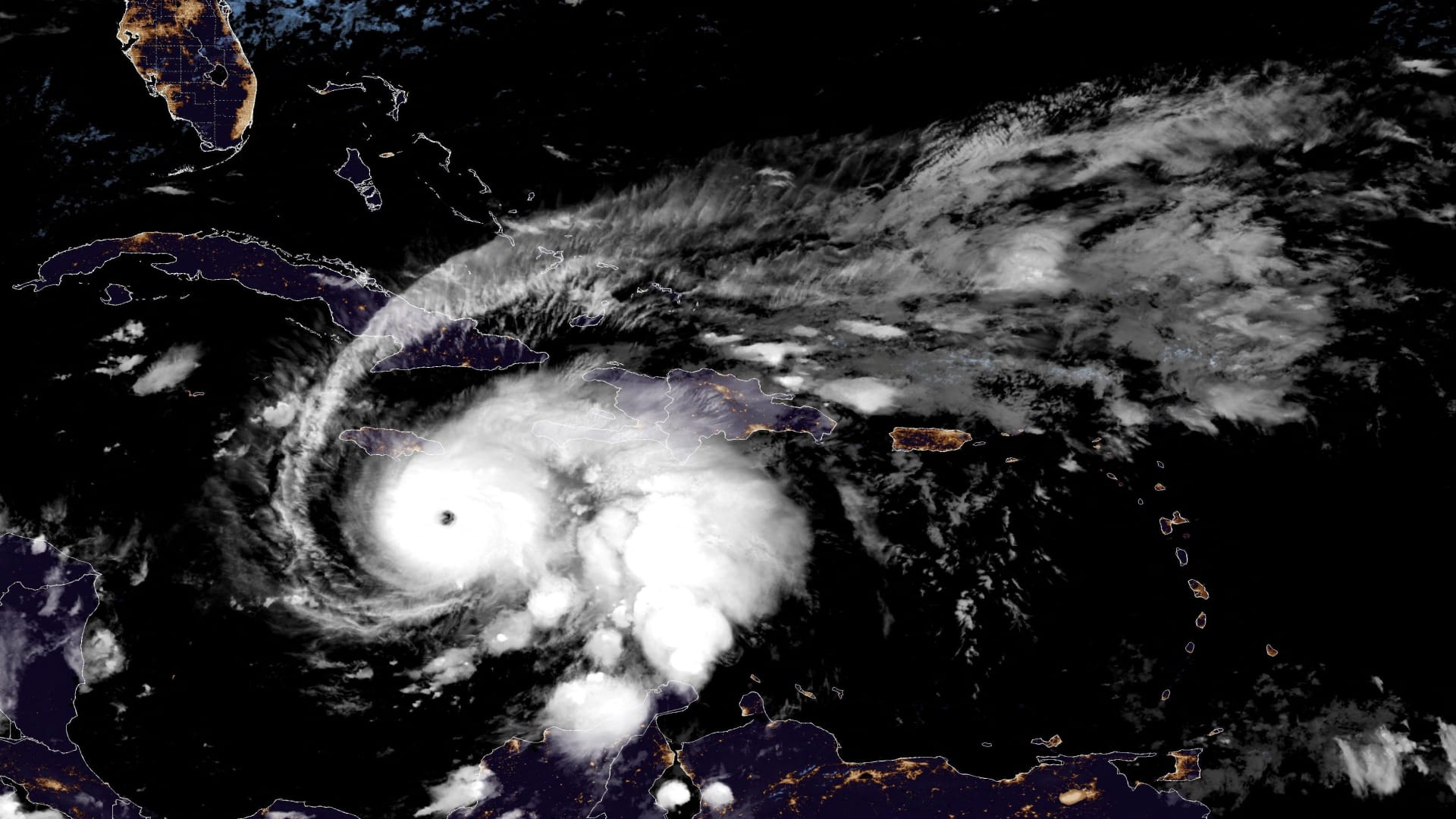
Hurricane Melissa’s Category 4 impact is set to significantly disrupt Caribbean economies in 2025, with investors needing to monitor weather-related risks in emerging markets. The storm’s path directly affects agriculture and tourism, influencing regional trade and consumer spending.
This weather event poses substantial financial repercussions, including insurance claims, reconstruction costs, and supply chain disruptions, making economic strain assessment critical for risk management strategies.
Key metrics like projected GDP impact and infrastructure damage are under scrutiny. The storm’s trajectory is a critical factor in predicting the full economic fallout.
This analysis provides an investor-focused outlook.
Expert Market Analysis
Hurricane Melissa’s escalation to Category 4 strength underscores the inherent vulnerabilities in economies heavily reliant on stable climate conditions. Historical patterns of Atlantic hurricane seasons, particularly in the latter half of the year, indicate a recurring risk that can derail economic growth and disrupt financial markets. The current season, predicted to be above normal, amplifies concerns for regions like Jamaica and Haiti, which are still recovering from previous natural disasters. The slow, westward movement of Melissa intensifies the duration of exposure to destructive winds and torrential rainfall, exacerbating potential damage to infrastructure, agriculture, and tourism sectors. The economic disruption extends beyond immediate physical damage, impacting vital sectors such as agriculture, which contributes significantly to the GDP of many Caribbean nations, and tourism, a primary source of foreign exchange. Disruptions to shipping and port operations can further strain supply chains, leading to price volatility for essential goods and imported commodities.
From a fundamental perspective, the storm’s impact highlights several critical economic indicators. Widespread flooding and extensive damage to infrastructure, including roads, power grids, and communication networks, will necessitate substantial reconstruction efforts, placing a strain on government budgets and potentially leading to increased sovereign debt. For the agricultural sector, the forecast of up to 30 inches of rain threatens crop yields, impacting not only domestic food security but also export revenues. The tourism industry, a cornerstone of Jamaica’s economy, faces immediate cancellations and a prolonged period of reduced bookings due to damaged facilities and safety concerns. The direct economic cost will be borne by a combination of insurance payouts, government relief funds, and private sector losses, all of which can influence a country’s credit rating and investor confidence. The hurricane’s intensity and duration are key determinants of the scale of these economic impacts, with Category 5 potential signaling catastrophic consequences.
Comparing the projected impact of Melissa to previous major hurricanes in the region, such as Hurricane Matthew in 2016, reveals a similar pattern of significant economic disruption. While Jamaica is more directly in the storm’s path, Haiti and the Dominican Republic are also facing severe flooding and infrastructure damage. The Bahamas and Turks and Caicos Islands are also anticipating tropical storm or hurricane conditions. The cumulative effect of such events on these developing economies, which often have limited financial resilience, is substantial. Regional economic blocs and international aid organizations will play a crucial role in coordinating relief and recovery efforts. The long-term recovery will depend on the ability to rebuild resilient infrastructure and diversify economies away from climate-sensitive sectors.
The immediate takeaway for investors and policymakers is the interconnectedness of climate risk and economic stability. The storm’s erratic movement and significant rainfall present a high-risk scenario for Jamaica and Haiti, demanding proactive disaster preparedness and rapid response mechanisms. The financial markets will likely react to the extent of the damage and the effectiveness of the recovery efforts. Investors should consider the potential for increased volatility in regional markets, impacts on commodity prices, and the need for significant capital investment in reconstruction. The ability of these nations to mitigate future risks through climate adaptation strategies will be a key factor in their long-term economic outlook, underscoring the importance of sustainability and resilience in investment considerations.
Related Topics:
Hurricane Melissa 2025, Caribbean Economy Impact, Jamaica Economic Analysis, Haiti Financial Risk, Emerging Markets Weather Risk, Natural Disaster Investment, Infrastructure Damage Estimates, Investor Risk Management Caribbean, Climate Change Economic Impact
About the Author