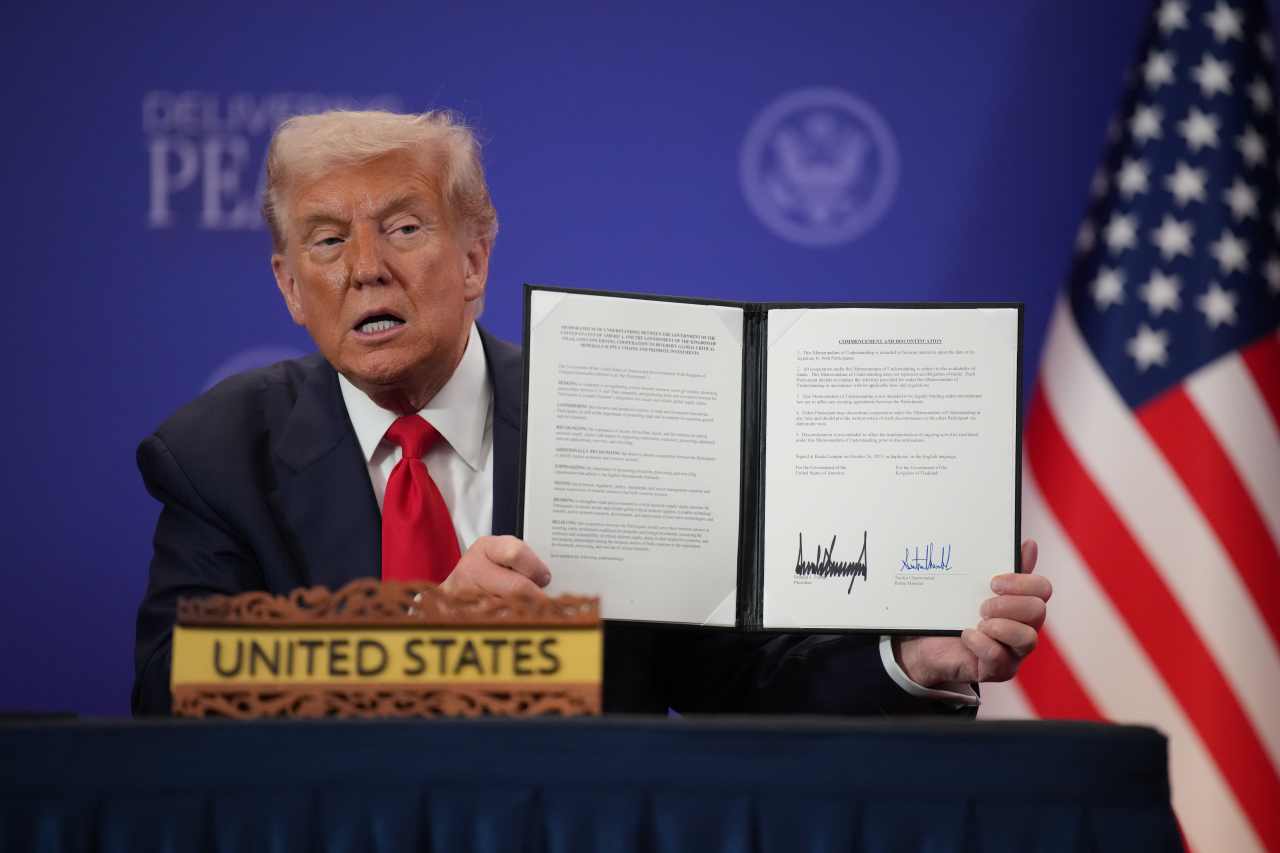
US-China trade deal groundwork laid, signalling a significant shift for global economic stability in 2025. This development injects optimism into international markets, potentially easing long-standing trade tensions. This could lead to reduced market volatility and more predictable policy environments.
For investors, this news may provide a much-needed boost to confidence. Market analysts are keenly observing whether this positive momentum can be sustained.
Key metrics will be closely watched, with analysts anticipating shifts in sectors sensitive to international trade. Concrete steps are now awaited.
Our comprehensive analysis delves into these implications.
Expert Market Analysis
The announcement that groundwork for a US-China trade deal has been laid is a pivotal moment for global markets heading into 2025. Historically, the trade friction between these two economic powerhouses has been a significant driver of market volatility, impacting everything from commodity prices to the valuations of major corporations. Similar to de-escalation periods observed in late 2023 and early 2024, this development suggests a potential easing of tensions, which could provide a much-needed boost to investor confidence and foster a more stable operating environment for multinational enterprises. Analysts are now keenly focused on whether this positive momentum can be sustained through the upcoming Trump-Xi meeting, a historically significant event for bilateral agreements and policy shifts. This could also lead to a re-evaluation of prevailing economic decoupling narratives, offering a more optimistic global trade outlook for 2025.
From a fundamental standpoint, the stabilization of the US-China trade relationship carries profound implications. A reduction in tariffs and trade barriers can translate into lower input costs for businesses, potentially leading to improved profit margins and accelerated revenue growth across a diverse range of sectors. Companies that heavily rely on manufacturing bases in China or significant export markets in the U.S. could experience a substantial uplift. On the technical front, this news could act as a catalyst, potentially driving key indices like the Dow Jones Industrial Average and the S&P 500 through critical resistance levels, provided no unforeseen geopolitical setbacks emerge. A sustained improvement in consumer spending and business investment, spurred by trade stability, could positively impact key financial metrics such as EBITDA margins and free cash flow. Market observers will also be scrutinizing the Relative Strength Index (RSI) of major global indices for indications of an upward trend.
In terms of sector-specific impacts, the technology and automotive industries are poised to be primary beneficiaries. These sectors often feature complex global supply chains that traverse both the U.S. and China, making them particularly susceptible to trade disputes. For example, semiconductor manufacturers and electric vehicle producers could see enhanced export opportunities and reduced production costs. Competitors within these industries, even those not directly involved in the negotiations, are likely to feel the ripple effects of any positive trade agreement. Market share dynamics could shift as companies adapt their strategies to the new trade landscape, aligning with SEBI and global regulatory expectations for fair trade practices. This could foster increased market liquidity within these segments.
The expert consensus on this development leans towards cautious optimism. While the groundwork for a trade deal has been laid, its ultimate success hinges on the forthcoming presidential meeting and the effective implementation of subsequent policies. Retail investors might consider strategically reallocating capital towards sectors expected to benefit most from improved U.S.-China trade relations, such as industrials and consumer discretionary. However, inherent risks remain, including the possibility of policy reversals or the emergence of new trade friction points. The primary opportunities lie in anticipating the market’s reaction to concrete policy changes. Key events to monitor include official statements following the summit and the release of Q4 2025 economic data. For prudent investors, a phased entry approach, focusing on fundamentally sound companies with diversified revenue streams, offers a strategy to mitigate risks while capturing potential upside.
Related Topics:
US China trade deal, Global trade outlook 2025, International trade news, Economic policy analysis, Market sentiment, Investor outlook, Geopolitical risk, 2025 Market Analysis
About the Author