Asana CEO’s 13-year tenure was exhausting, offering critical insights into leadership burnout for 2025. This analysis from a tech co-founder is vital for investors seeking to understand executive well-being beyond financial metrics, especially in the demanding tech sector. This introspective look at founder sustainability is crucial for understanding leadership transitions.
Moskovitz’s admission challenges traditional CEO archetypes and highlights the psychological toll of sustained leadership. His stepping down as CEO in early 2025 signals a re-evaluation of personal priorities against corporate demands, a trend increasingly observed in the tech industry.
The market notes his $12 billion net worth, partly from an 8% Meta stake. This transition provides a unique case study on founder sustainability.
We delve into the implications for leadership and workplace dynamics.
Expert Market Analysis
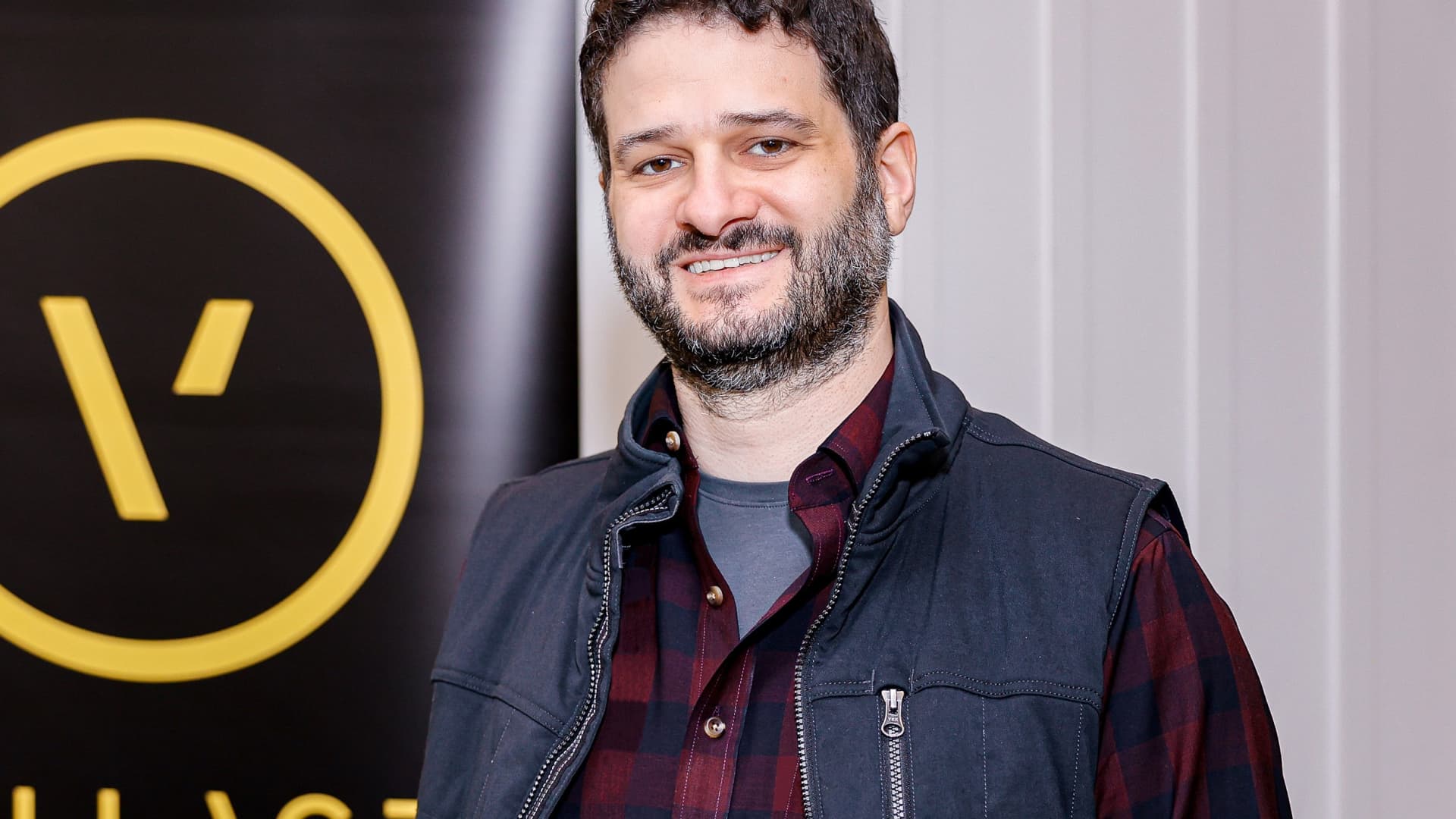
The recent reflections from Asana CEO Dustin Moskovitz on his 13-year tenure being “exhausting” provide a profound insight into the often-unseen personal costs of sustained executive leadership. Historically, the archetype of a successful CEO leaned heavily towards extroversion, demanding relentless drive and constant public engagement. Moskovitz’s candid admission, identifying as an introvert, directly challenges this established notion. It underscores the significant psychological and emotional burdens carried by individuals in high-stakes executive roles, resonating with broader discussions on founder burnout and the pervasive mental health toll within the fast-paced technology industry. His strategic transition to chairman in early 2025, after a significant period at the helm of the work management platform he co-founded, clearly signifies a personal prioritization of well-being over the unyielding demands of the CEO role. This serves as a valuable lesson for the concept of leadership sustainability, suggesting a need for more adaptable leadership models.
Financially, Moskovitz’s entrepreneurial journey has been remarkably successful, contributing to his estimated $12 billion net worth, significantly bolstered by his early investment in Meta. However, his commentary deliberately shifts the focus away from mere financial accumulation towards the human cost of leadership. He expressed a preference for roles with less emphasis on continuous team management and public-facing responsibilities, indicating that the CEO position was a necessity driven by company evolution rather than an initial career aspiration. The pressure to “put on this face day after day” is a sentiment widely shared by introverted leaders who find sustained external engagement and high-stakes decision-making profoundly draining. The increasing volatility of the global economy, exacerbated by unforeseen events like the pandemic, has amplified the reactive nature of CEO roles, often demanding constant problem-solving at the expense of long-term strategic development. This shift in focus from growth at all costs to sustainable leadership is becoming increasingly critical.
The discourse surrounding introverted leadership is not new, with notable figures like Bill Gates and Warren Buffett openly identifying with introverted personalities. Susan Cain’s influential work, “Quiet: The Power of Introverts in a World That Can’t Stop Talking,” has long championed the unique strengths introverts bring to leadership, including deep contemplation, creativity, and meticulous problem-solving capabilities. Cain argues that the traditional emphasis on extroverted leadership qualities results in a “colossal waste of talent.” Moskovitz’s experience with Asana serves as a compelling real-world case study that substantiates this perspective. While his personal exhaustion highlights the inherent difficulties of the role, it implicitly advocates for a more balanced approach to leadership development, one that actively values and leverages diverse personality types to foster more sustainable and effective organizational cultures. The tech sector, in particular, stands to gain significantly from integrating this philosophy into its leadership frameworks and talent management strategies.
Moskovitz’s departure from the Asana CEO position and his subsequent introspective remarks serve as a critical reminder that leadership success is a multifaceted concept, encompassing not only financial outcomes but also the personal well-being of the executives. For investors and stakeholders, this provides a more comprehensive understanding of executive dynamics and the potential for future leadership transitions within companies. The ongoing global conversation about work-life balance and mental health in corporate environments is likely to be further influenced by such candid disclosures from high-profile individuals. Investors would be prudent to consider the leadership styles of executives and the inherent potential for burnout when evaluating a company’s long-term prospects, recognizing that a leader’s personal capacity is a critical, often underestimated, business asset in the current economic climate.
Related Topics:
Asana CEO, Dustin Moskovitz, Founder Burnout, Leadership Exhaustion 2025, Tech Leadership Challenges, Introvert Leadership, Meta Co-founder, Work Management Software, Asana Stock Analysis
About the Author