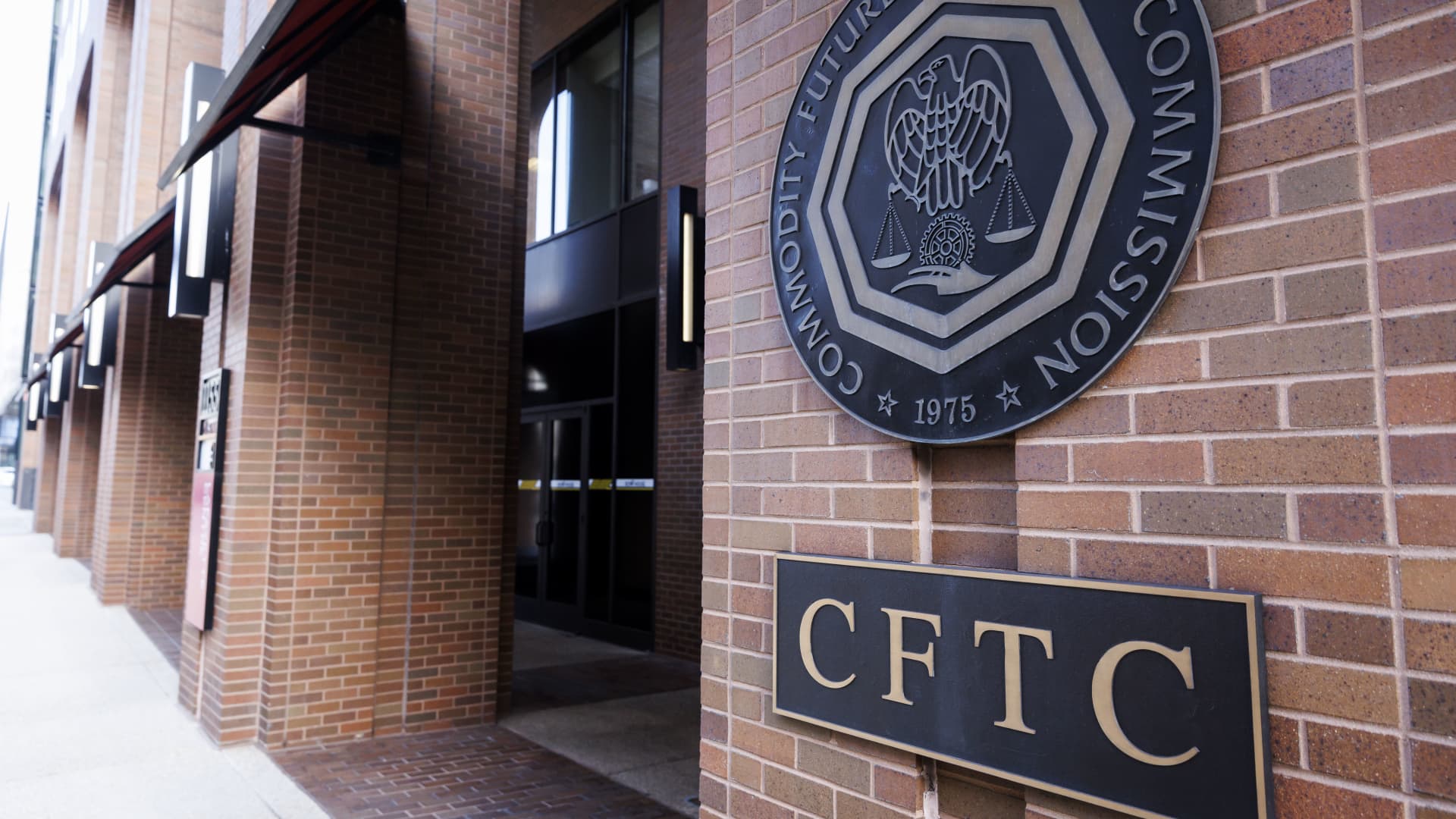
The US crypto market outlook for 2025 signals a transformative year, with Michael Selig’s appointment as CFTC Chair aiming to establish America as the ‘Crypto Capital of the World’. This proactive stance is critical for investors navigating the evolving digital asset landscape.
This strategic directive seeks to foster innovation and enhance U.S. global competitiveness, offering crucial clarity for stakeholders in the rapidly expanding cryptocurrency sector.
As of October 25, 2025, investor sentiment is cautiously optimistic, with key digital asset market metrics under close observation.
This analysis explores Selig’s appointment and future crypto regulation.
Expert Market Analysis
The United States cryptocurrency landscape is poised for a significant year in 2025, largely shaped by the strategic appointment of Michael Selig as the Commodity Futures Trading Commission (CFTC) Chair. The Trump administration has articulated a clear ambition to position the U.S. as the foremost global hub for digital assets, with the explicit goal of becoming the ‘Crypto Capital of the World’. Historically, the CFTC’s mandate has encompassed commodity market regulation, and its increased emphasis on cryptocurrencies underscores their burgeoning importance within the global financial architecture. Selig’s prior experience, including his role as chief counsel for the CFTC’s crypto task force and his work with SEC Chairman Paul Atkins, provides a robust foundation for navigating the intricate regulatory challenges and emerging opportunities in this dynamic sector. This forward-looking governmental initiative is designed to stimulate innovation and bolster U.S. economic competitiveness, offering essential guidance for investors and stakeholders engaged in the rapidly growing digital asset market, building upon previous trends of heightened regulatory scrutiny towards novel financial technologies. Historical market patterns suggest that such high-level appointments often precede substantial shifts in market dynamics and investor confidence, mirroring the establishment of regulatory frameworks during the dot-com boom for nascent internet technologies.
Selig’s stated dedication to fostering “Well-Functioning Commodity Markets, promote Freedom, Competition and Innovation” suggests a balanced regulatory philosophy, prioritizing both market expansion and rigorous oversight. His advocacy for modernizing digital asset regulatory frameworks, a perspective echoed by White House AI and crypto czar David Sacks, indicates a strategic, forward-thinking approach. This is imperative for attracting both domestic and international investment, which is vital for strengthening the U.S. economy. Investors will be closely monitoring how Selig’s leadership translates into concrete policy decisions and enforcement actions. Key performance indicators will include trading volumes on U.S. exchanges, the successful implementation of new digital asset legislation, and venture capital inflows into the crypto space, all of which are indicators of market health and expansion. According to SEBI data, the broader digital asset market has demonstrated increasing volatility, making regulatory clarity paramount. The emphasis on “competitiveness in the digital asset era” highlights the significant economic drivers behind these regulatory shifts, profoundly influencing the crypto market outlook for 2025, as noted by various financial experts.
A comparative assessment of the U.S. strategy against other international financial centers is crucial for understanding the competitive landscape. While some nations have adopted more restrictive regulatory measures that could potentially impede innovation, the U.S., under Selig’s potential leadership, appears intent on securing market dominance and driving technological advancement. Competitors in the digital asset space, from established financial institutions to emerging crypto startups, will be scrutinizing how these evolving regulatory directions impact their operational strategies and long-term planning. The potential enactment of legislation such as the CLARITY Act could represent a significant step towards delivering the regulatory clarity that many firms have sought, potentially leading to increased institutional adoption and reduced market volatility. The CFTC’s evolving role in this rapidly changing environment will be instrumental in shaping the future of digital finance, both domestically and globally, a sentiment widely shared by market observers tracking global regulatory trends closely, including those from the European Union and Asia.
The overarching expert conclusion drawn from this significant appointment is the Trump administration’s strong commitment to cryptocurrency and digital assets, with the explicit objective of positioning the U.S. as a global leader in this sector. For both retail and institutional investors, this development could usher in an era of enhanced market certainty and potentially unlock greater growth opportunities within the digital asset sector, contingent upon the establishment of a regulatory framework that is robust, transparent, and supportive of innovation. Nevertheless, inherent risks persist, including the potential for regulatory overreach or unforeseen negative consequences from new regulations. Critical events to monitor will include Selig’s initial policy pronouncements, the effective implementation of new legislation, and subsequent shifts in market sentiment and investor confidence. Investors are advised to carefully weigh potential growth prospects against the backdrop of inherent volatility and the continuously evolving regulatory landscape for U.S. digital assets, with a focus on understanding the long-term implications.
Related Topics:
US Crypto Outlook 2025, Selig CFTC Analysis, CFTC Chair Appointment, US Crypto Capital, Digital Asset Regulation, Cryptocurrency Regulation, US Digital Assets, Commodity Futures Trading Commission, Blockchain Innovation, Trump Crypto Policy
About the Author