When European countries in the Baltic Sea region joined Nato for protection against Russia, they were not anticipating their most powerful Nato ally would be the one threatening to seize territory from them. The shock of the Greenland crisis may have faded from the headlines, but Donald Trump’s US has also suggested it may decide not to defend Europe. And Russia continues to be a nuisance in the Baltic Sea.
Luckily, the vulnerable Baltic nations have launched an impressive string of initiatives to keep their mini-ocean safe. As the US sheds responsibility for Europe’s defence, these efforts could provide a model for the future of Nato itself.
Finland announced in January that it would team up with other Baltic Sea countries to create a maritime surveillance centre. Finland sees it as a way to increase capability and authority to intervene in “situations” in its territorial sea and exclusive economic zone. It’s a sensible measure.
And it’s not the only one. When the two Nord Stream pipelines exploded in the exclusive economic zones of Sweden and Denmark in September 2022, it took the region by complete surprise. To be sure, a few prophetic voices had been warning for years that undersea cables and pipelines were vulnerable to sabotage, but with virtually no suspicious incidents jeopardising this invaluable infrastructure, complacency set in. Then came the sabotage of Nord Stream, followed by the arrival of the Russian shadow fleet – designed to dodge oil sanctions – and the mysterious rupture of two cables and a pipeline in 2023.
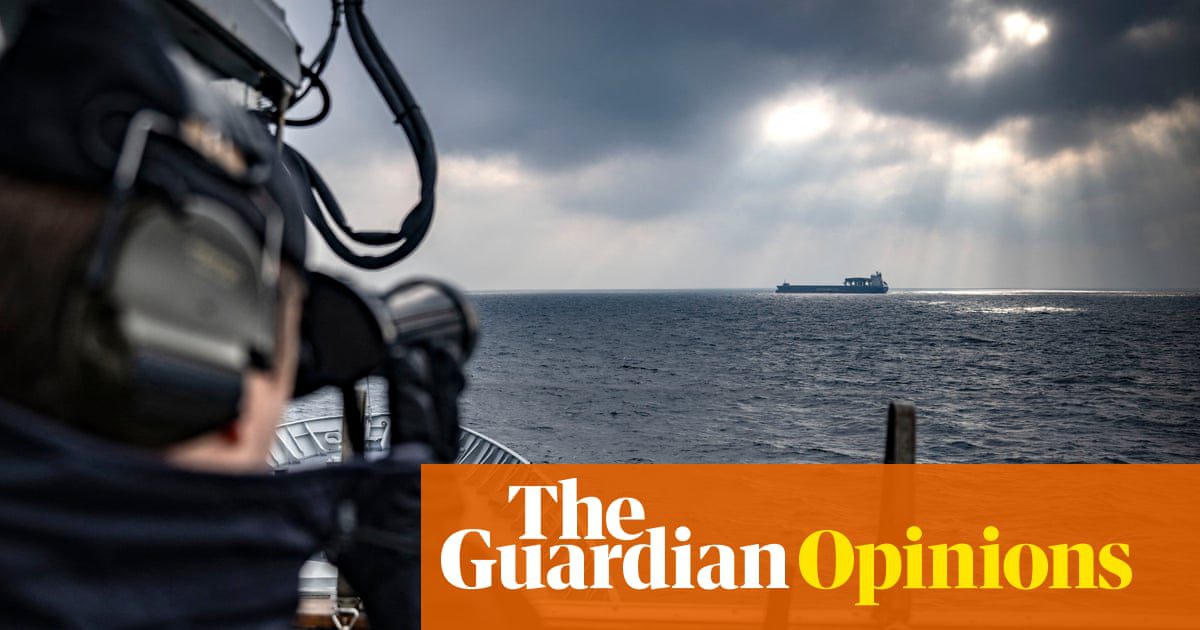
The ocean’s coastal states – minus Russia – began cooperating more. As undersea cables continued to be mysteriously cut, threatening energy and internet provision, and shadow vessels traversed these waters on a daily basis, they began to improve information-sharing, a boring but essential measure. They launched an AI tool called Nordic Warden to detect anomalies above undersea cables and pipelines. Their navies and coastguards expanded maritime patrolling. They launched shadow-vessel inspections (a more difficult task than it sounds, because international maritime law grants all vessels freedom of navigation). Early last year, they even created a joint maritime patrolling service to protect cables and pipelines day and night. Although Baltic Sentry, as this patrol is called, is officially a Nato initiative, it’s executed by the Baltic Sea nations themselves.
For Estonia, 2023 was a rude awakening, as Erkki Tori, the country’s national security adviser, told me. Now, in 2026, he says that Russia’s shadow fleet is being tackled not just in the Baltic Sea, but in other waters as well. Existing maritime law is a constraint but it does allow certain types of action, Tori insists. The exchange of ideas and practices with other countries is a vital part of the solution.
The same approach – taking action within the limits of international law – goes for the protection of undersea cables and pipelines.“The international mechanisms that the world has were not built for things like this, but we’ve tried anyway – within the rule of law,” Tori says.
The Baltic Sea nations appear to have inspired other countries. The French navy seized an alleged Russian shadow tanker with false flag registration in the waters between Spain and Morocco in January. It was the second such intervention by France of a suspected shadow tanker in recent months.
Indeed, the Baltic Sea nations are demonstrating what Nato’s member states can do, especially by teaming up with their neighbours. That matters now that the alliance’s ability to operate is being questioned. As the Danish prime minister, Mette Frederiksen, concluded during the height of the Greenland crisis, Nato would no longer exist if the US decided to attack the territory of another member country.
Trump may decide to leave Greenland in peace for the time being (although Frederiksen is not too sanguine on that point, as she made clear at the Munich Security Conference). Even so, the question remains whether the US would support European countries in case of attack, as the Nato treaty’s mutual defence pledge, or article 5, requires. “If they don’t pay, I’m not going to defend them,” Trump said last March, referring to his European allies in Nato. A few months later, member states committed to spending 5% of GDP on defence and related areas.
Ordinary Europeans have already drawn their own conclusions about how Nato must be reimagined for an era in which the US puts up less and less of the military capability. In Sweden, only a quarter of the population believes the US would come to its aid in the case of an attack. Last June, 51% of Britons considered it unlikely that the US would come to the aid of the Baltic states in case of a Russian attack.
That’s why initiatives such as the Baltic Sea nations’ maritime collaboration are so essential. Nato may survive or even thrive in the long term. Trump may abandon his confrontational stance. But nobody knows. Teaming up in smaller groups is imperative: it allows Nato countries to look after their own regions, without Nato and without the US. What’s more, it does no harm to the alliance.
The localised cooperation we are seeing among the Baltic Sea nations is a taste of Nato’s future.
-
Elisabeth Braw is a senior fellow at the Atlantic Council thinktank. She is the author of Goodbye, Globalization: The Return of a Divided World and The Defender’s Dilemma: Identifying and Deterring Gray-Zone Aggression
Source: https://www.theguardian.com/commentisfree/2026/feb/20/europe-us-defence-baltic-sea-nations-russian-sabotage
About the Author