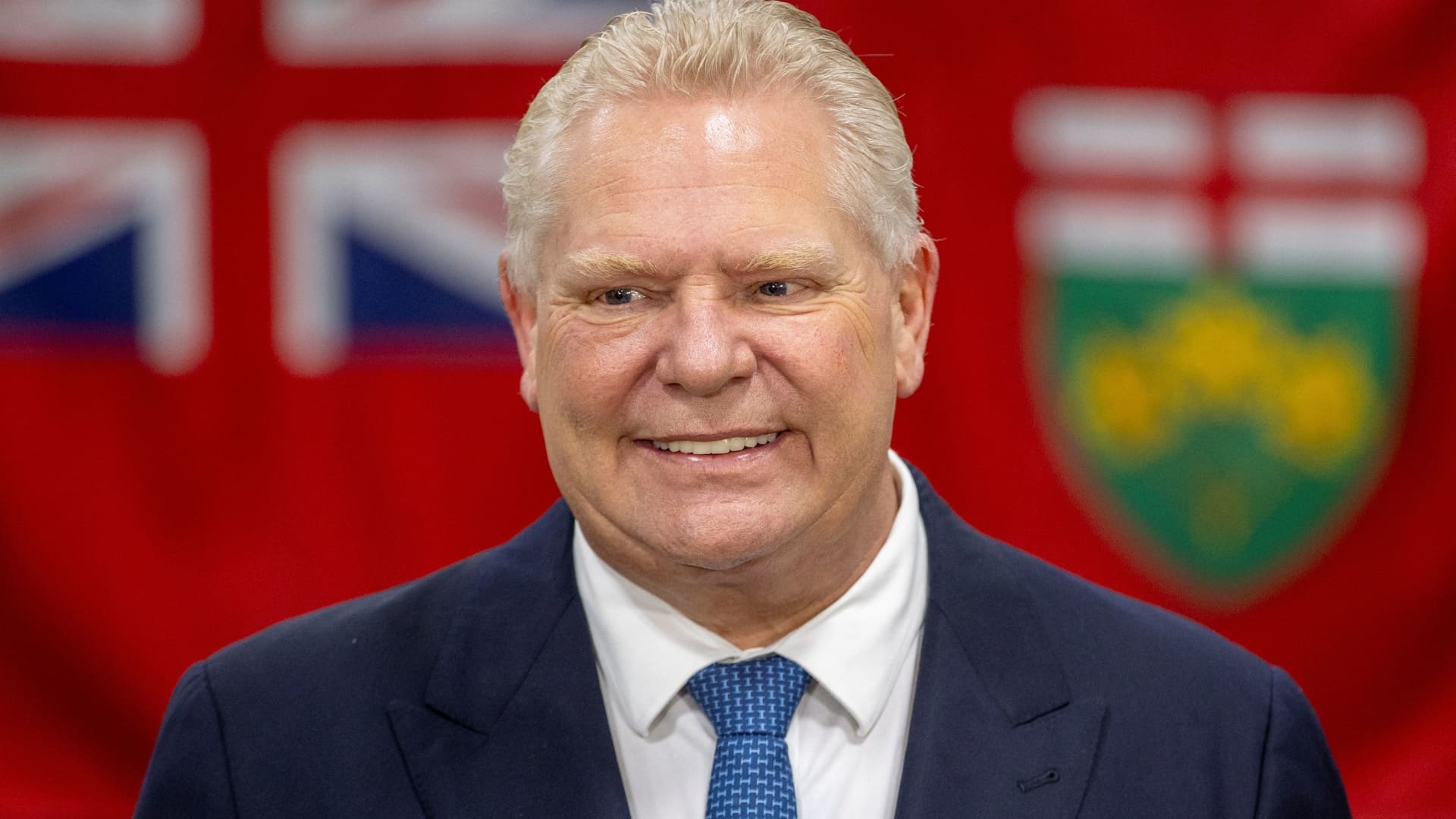
A trade dispute has erupted between former President Trump and Canada after Ontario ran a Reagan-themed ad in the U.S. criticizing tariffs. The ad, which featured Ronald Reagan’s voice opposing tariffs, aimed to spark a conversation about the impact of tariffs on American workers and businesses. Ontario Premier Doug Ford stated the goal was achieved, targeting Republican districts on X at a cost of $75 million.
Trump responded on Truth Social, accusing Canada of fraudulently using Reagan’s image and cheating on tariffs, asserting that tariffs are crucial for national security. He also alleged Canada is attempting to influence the Supreme Court regarding his power to impose tariffs without congressional consent, a case scheduled to be heard in November.
Ontario has paused the ad amid the heated dispute. This situation highlights ongoing trade tensions between the U.S. and Canada and throws the future of trade relations into uncertainty, potentially impacting various sectors and businesses across both countries. The conflict underscores the debate surrounding tariffs and their implications for the global economy.
| Entity | Details |
|---|---|
| Ronald Reagan Ad | Opposed tariffs |
| Trump’s Claim | Canada cheated on tariffs |
| Supreme Court Case | Trump’s tariff power |
| Ontario Ad Spend | $75 Million |
The escalating conflict between former President Trump and Canada, triggered by Ontario’s Reagan-themed ad campaign, underscores the fragility of international trade relations and the enduring debate surrounding tariffs. The ad, intended to promote dialogue about the impact of tariffs on American workers and businesses, ignited criticism from Trump, who has long advocated for tariffs as a tool for protecting American industries. Trump’s reaction, accusing Canada of fraud and attempting to influence the Supreme Court, reflects his protectionist stance and his willingness to challenge established trade agreements.
This dispute occurs against the backdrop of a pending Supreme Court case that will determine the extent of presidential power to impose tariffs without congressional approval. The outcome will have significant implications for future trade policy and the balance of power between the executive and legislative branches. The situation highlights the broader debate about the merits and drawbacks of tariffs. Proponents argue tariffs protect domestic industries and create jobs, while critics contend they raise prices for consumers, disrupt supply chains, and provoke retaliatory measures, harming the global economy. This could further strain the complex U.S.-Canada relationship, potentially leading to increased trade barriers and economic disruptions.
Industry analysts are closely watching for any further developments and assessing the potential impact on businesses and consumers. The future of U.S.-Canada trade relations hinges on resolving these disputes and a willingness to engage in constructive dialogue. This serves as a cautionary tale about the potential for political rhetoric to disrupt international trade and the importance of maintaining stable and predictable trade policies. The controversy highlights the ongoing tension between protectionist policies and free trade principles, and the need for careful consideration of the economic consequences of trade disputes.
About the Author